
What Does a Crawl Space Dehumidifier Do?
A crawl space dehumidifier takes in humid air, removes excess moisture and sends drier air back into the space. It cycles on as needed to help maintain a more consistent humidity level and limit conditions that contribute to musty odors, condensation and mold growth.
Crawl spaces can grow humid when moisture evaporates out of exposed soil or enters through vents, foundation walls and other openings. A properly sized dehumidifier delivers ongoing crawl space humidity control when those moisture sources push humidity up.

Symptoms
Warning Signs Your Tampa Bay, Orlando, Miami and Largo Home Needs a Crawl Space Dehumidifier
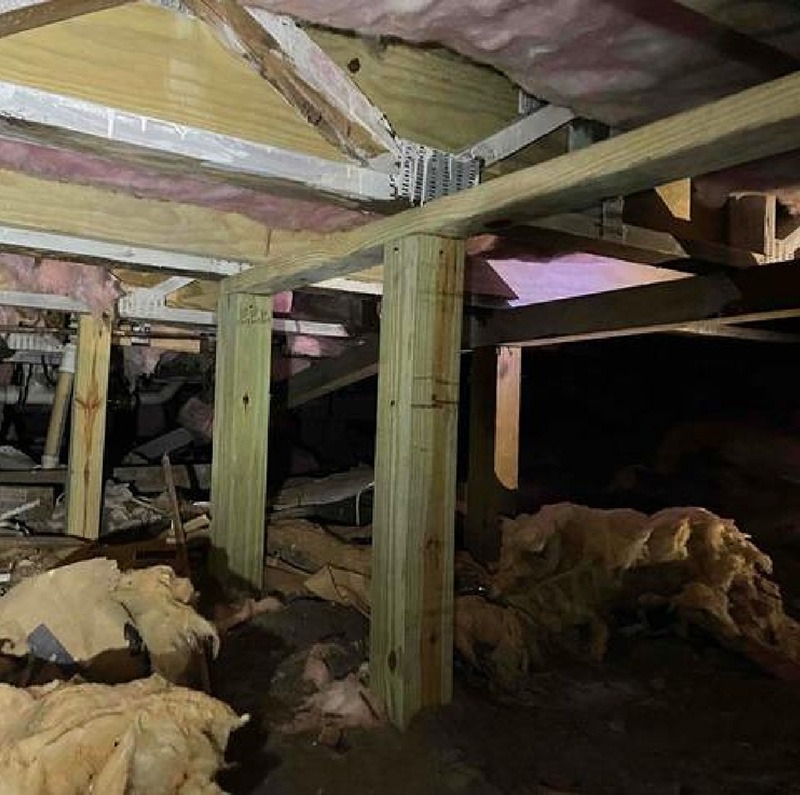
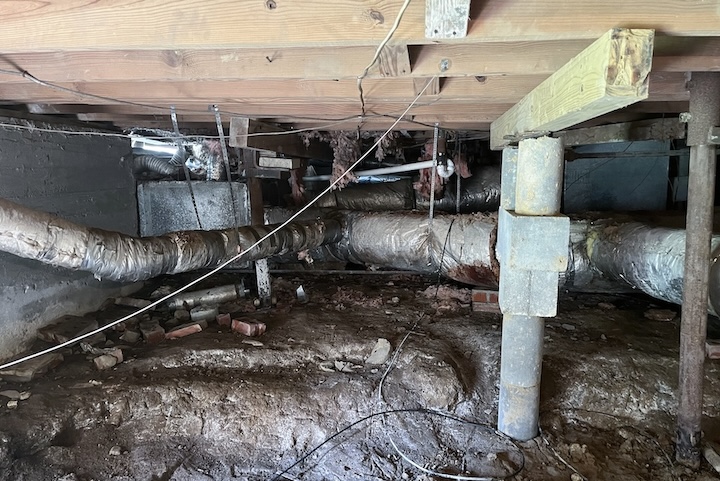
Excess crawl space humidity can affect more than just the space beneath your home. You may notice musty odors inside, changes to wood and insulation or condensation on surfaces below your floor. Signs of a crawl space humidity problem often include:
- Musty, earthy odors throughout your home
- Mold or mildew growth on floor joists or subflooring
- Condensation or rust on ducts, pipes or metal components
- Floors that sag or feel springy
- Wood rot or deteriorating framing
- Insulation that’s damp, compressed or falling
- Climbing cooling costs
- Increased spiders, roaches or rodents
These signs can have several causes, so an inspection can determine whether excess humidity is the problem and if a dehumidifier is the right solution.
Crawl Space Dehumidifier Solutions We Offer
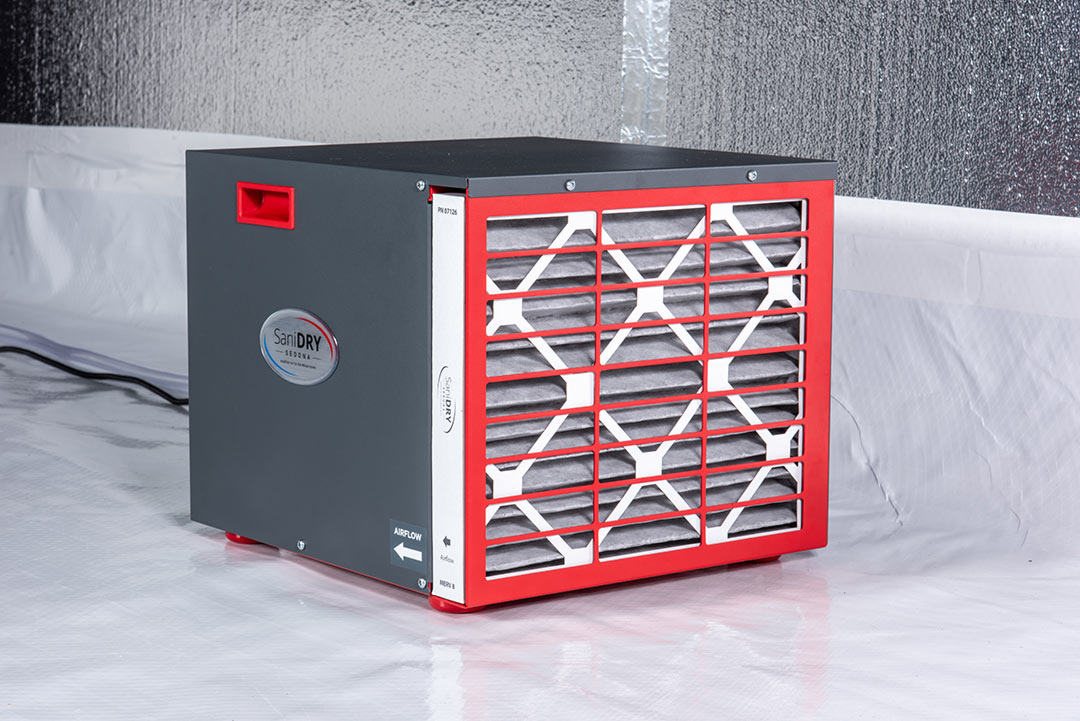
Crawl Space Dehumidifier
For High Humidity, Musty Odors & Condensation
A crawl space dehumidifier pulls excess moisture from the air to help maintain drier conditions below your home. Unlike small, portable household units, a system built for crawl spaces can handle the demanding conditions below your home, helping reduce condensation, musty odors and moisture that can contribute to mold and wood damage.

Automatic Dehumidifier Drainage
For Set-It-and-Forget-It Moisture Removal
As your dehumidifier removes moisture from the air, it gathers water that has to go somewhere. A professionally installed system can drain on its own to an appropriate discharge point or, depending on the crawl space, pair with a condensate pump. That means there’s no reservoir for you to regularly empty, and the dehumidifier can continue operating when needed.

How It Works
How LRE Foundation Repair Installs Your Crawl Space Dehumidifier System


Crawl Space Dehumidifier vs. Encapsulation: Which One Is Right for You?
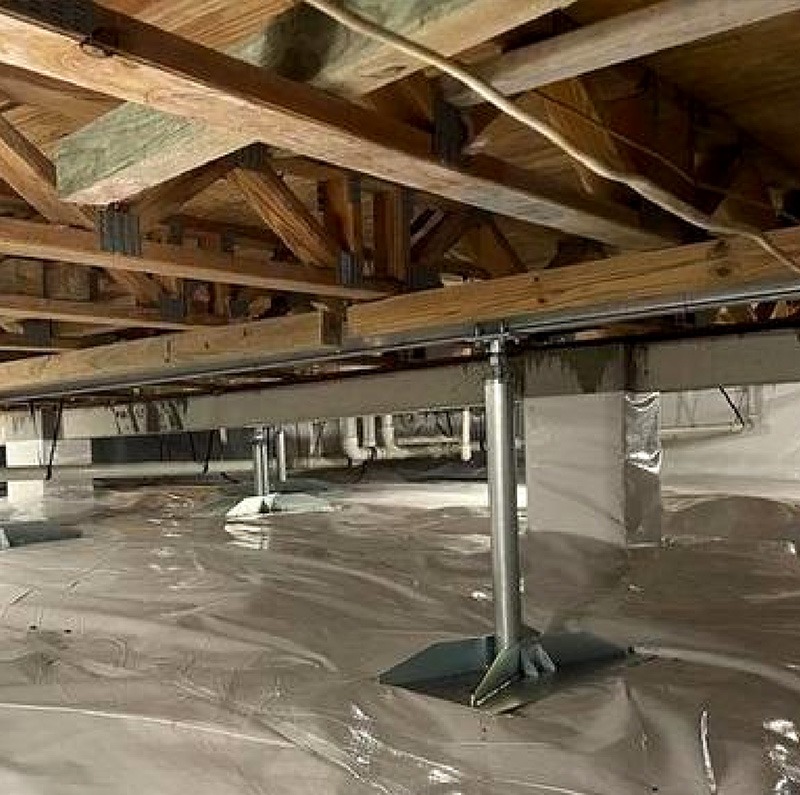
A dehumidifier and crawl space encapsulation tackle moisture in different ways. A dehumidifier removes excess moisture from the air; encapsulation helps limit moisture entering from exposed soil and humid outside air by creating a sealed barrier around the crawl space.
Whether you need a dehumidifier, encapsulation or both depends on where the moisture is coming from. If humidity is the primary issue, dehumidification may be enough. If ground moisture or humid outside air is contributing to the problem, encapsulation may also be recommended.
What To Expect
Ready to get started?
Schedule a free estimate to start your repair journey with LRE.

Schedule your inspection
Fill out our form or give us a call to book your inspection. Share what you’ve noticed so we can send the right expert to your home.

Full home
inspection
An expert will inspect the problem area and surrounding conditions, including soil movement, drainage, structural integrity, and any related concerns.

Clear explanation
of findings
We’ll walk you through what we’re seeing in easy-to-understand language so you know the root cause of the issue, not just the symptoms.

Review recommendations
If repairs are needed, we’ll outline your options, pricing, and timeline so you can make the best decision for your home.
Schedule your free inspection—
It'll only take
a minute
Meet with a trusted expert, and get
clear answers about your home.