Helical Anchors & Tiebacks2026-10-28T12:06:25-05:00

Commercial Helical Anchors & Tiebacks in Tampa Bay, Orlando, Miami and Largo

Helical anchors and tiebacks supply engineered lateral support for commercial walls, excavations and structural components throughout Tampa Bay, Orlando, Miami and Largo.

What Are Commercial Helical Anchors & Tiebacks?

Helical anchors and tiebacks are steel shafts with helix-shaped plates that are installed into stable soil beyond the area of movement. They connect to a wall or structure to provide lateral support and help prevent further movement.

Unlike helical piers, which carry structures from below, helical tiebacks are generally installed at an angle to resist lateral forces. The helix plates transfer those forces into stable soil, offering support with no grout or cure time.

When Tampa Bay, Orlando, Miami and Largo Commercial Projects Need Helical Tiebacks

Helical tiebacks can stabilize retaining walls, commercial foundation walls and other structures showing signs of leaning, rotation, sliding or bulging. Movement may also show up as horizontal wall cracks or changes in pavement and loading areas behind the wall. They can also deliver lateral support for planned commercial projects, such as excavation shoring, soldier pile and lagging systems, seawalls and bulkheads, and tiedown applications where uplift or overturning forces must be resisted.

Our Commercial Helical Anchor & Tieback Solutions LRE Foundation Repair

  • Leaning, Cracked or Overturning Retaining Walls

    Permanent Wall Tieback Anchors

    Permanent helical tiebacks deliver lateral restraint for retaining walls, foundation walls, sheet pile walls, seawalls and other structures undergoing lateral movement. Installed through or behind the wall and advanced into competent soil beyond the failure plane, the anchors transfer lateral loads into stable soil to help stabilize the structure and resist further movement.

    • Installed using relatively small equipment on projects with limited access
    • Develop capacity through helix plates seated in competent soil
    • Installation torque gives an indication of soil resistance and anchor capacity
    • No grout or cure time needed before the anchor can be loaded
    • Can be built into retaining wall and other permanent stabilization systems
    • Available in configurations matched to project loads and soil conditions
  • Excavations That Require Lateral Support Beside Existing Structures

    Temporary Helical Tiebacks for Shoring

    Temporary helical tiebacks provide lateral support for excavation and shoring systems where surrounding soil must be restrained during construction. They work with soldier pile and lagging, sheet pile and other earth retention systems, including projects near existing buildings where excavation movement and available working space are important considerations.

    • Provides temporary lateral restraint for excavation support systems
    • Installs without grouting or grout cure time
    • Can be loaded immediately following installation and verification
    • Well suited for congested sites and limited-access construction areas
    • Installation torque can be tracked as the anchor advances
    • Can be set up for the loads, soils and geometry of the shoring system
  • Structures Resisting Uplift, Overturning or Lateral Forces

    Helical Tiedowns & Tension Anchor Systems

    Helical tiedowns and tension anchors secure structures against forces that can lift, overturn or shift them from their designed position. Set into load-bearing soil, these anchors can deliver tension resistance for new construction and other commercial applications where foundations or structural members must resist uplift, overturning or lateral forces.

    • Built to resist tension, uplift and overturning forces
    • Helix plates transfer loads into suitable bearing soils
    • Installs without large excavations or concrete anchor blocks
    • No grout or cure time needed
    • Installation torque can be monitored to help confirm capacity
    • Offered in shaft and helix configurations for varying loads and soil conditions

How Commercial Helical Tiebacks Are Designed & Installed

Helical Tiebacks vs. Grouted Tiebacks & Soil Nails

Helical tiebacks install without grout or cure time, call for minimal excavation and can be loaded right after installation. Installation torque is monitored as each anchor goes in to help verify it meets project requirements.

Grouted tiebacks use grout to secure the anchor in the ground and may be better suited for certain high-load or rock conditions.

Soil nails work differently, reinforcing the soil behind a wall or excavation rather than anchoring the wall itself.

The right earth retention system depends on the loads involved, soil conditions, wall design, site access and other project requirements.

Commercial Helical Anchor & Tieback Installation You Can Trust in Tampa Bay, Orlando, Miami and Largo

Specifying the right helical anchor or tieback system starts with understanding the loads, soil conditions, structure and project requirements. LRE Foundation Repair coordinates with the project team to determine the appropriate anchor configuration, layout and installation criteria for the application.

Contact LRE Foundation Repair to talk through your commercial helical anchor or tieback project in Tampa Bay, Orlando, Miami and Largo and get a solution built around your structure, site conditions and project needs.

What To Expect

Ready to get started?

Schedule a free estimate to start your repair journey with LRE.

Schedule your inspection

Fill out our form or give us a call to book your inspection. Share what you’ve noticed so we can send the right expert to your home.

Full home
inspection

An expert will inspect the problem area and surrounding conditions, including soil movement, drainage, structural integrity, and any related concerns.

Clear explanation
of findings

We’ll walk you through what we’re seeing in easy-to-understand language so you know the root cause of the issue, not just the symptoms.

Review recommendations

If repairs are needed, we’ll outline your options, pricing, and timeline so you can make the best decision for your home.

Schedule your free inspection—

It'll only take
a minute

Meet with a trusted expert, and get
clear answers about your home.

"*" indicates required fields

1Your Info
2Schedule Your Inspection
3Review & Submit

Customer Information

Don't just take our word for it

See what our customers have to say about our work.

Before & after photos

Check out before and after photos from some of our completed projects.
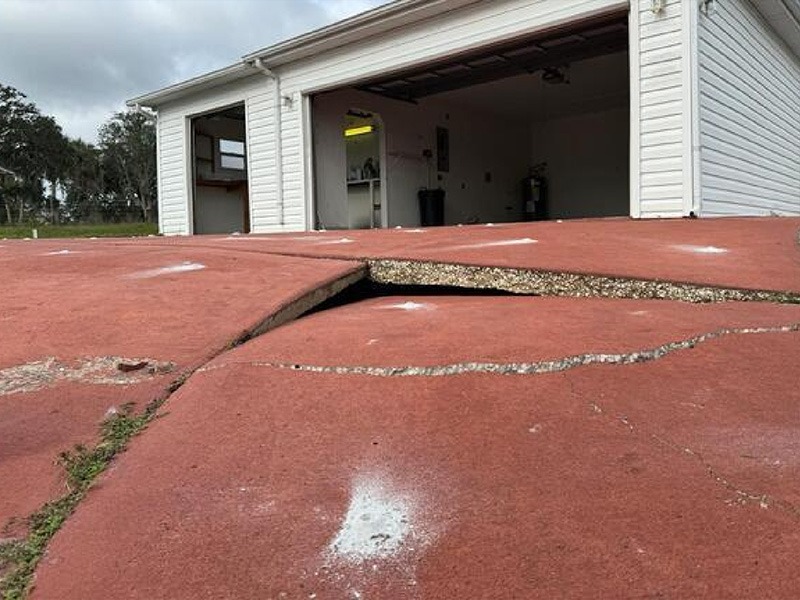
  • Concrete driveway repair in San Antonio, FL

    The LRE team utilized our PolyLevel Solution to not only bring the concrete slabs back to an even, safe level but also fill the void underneath and permanently stabilize the driveway.

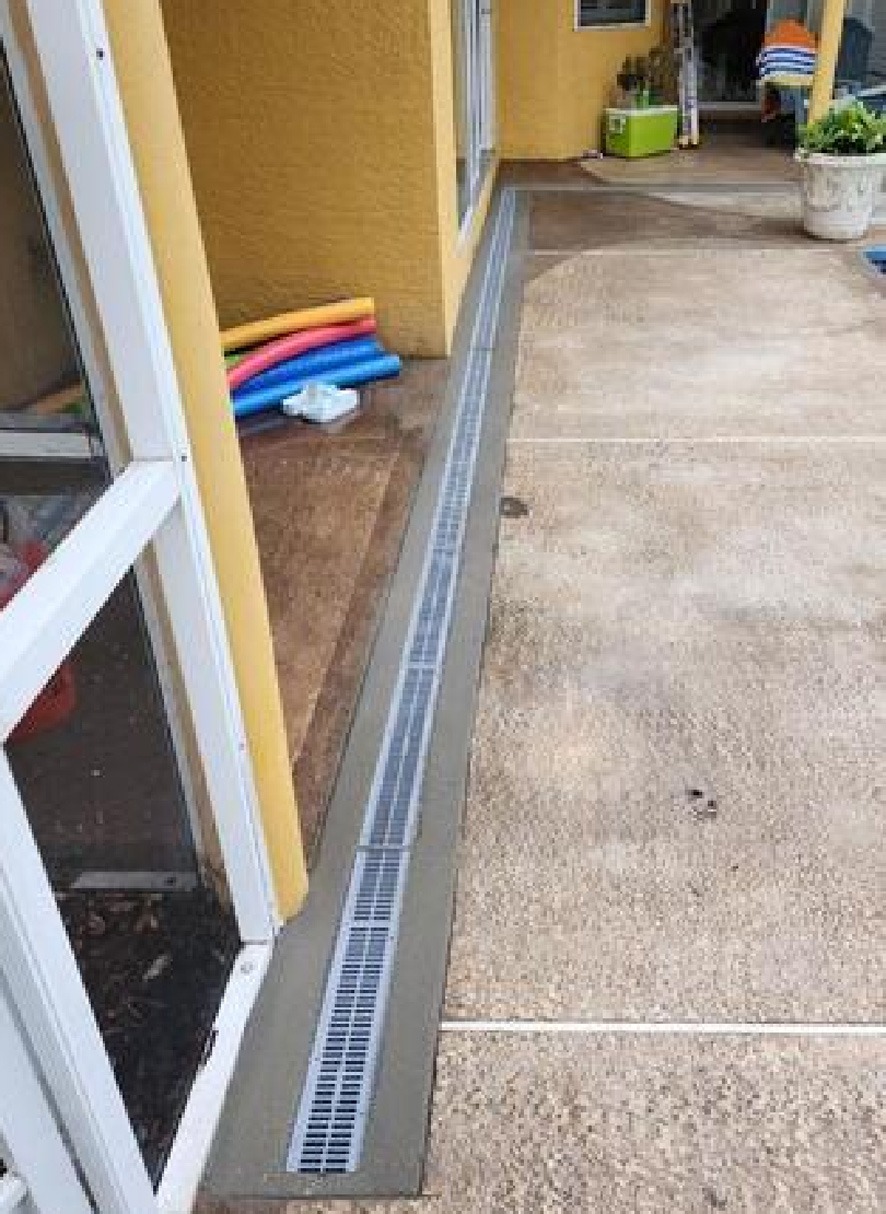
  • Channel drain solution in Seminole, FL

    The LRE team installed a 4″ channel drain within the pool deck’s concrete to collect rainwater and divert it away from the home through a subsurface drainage system.

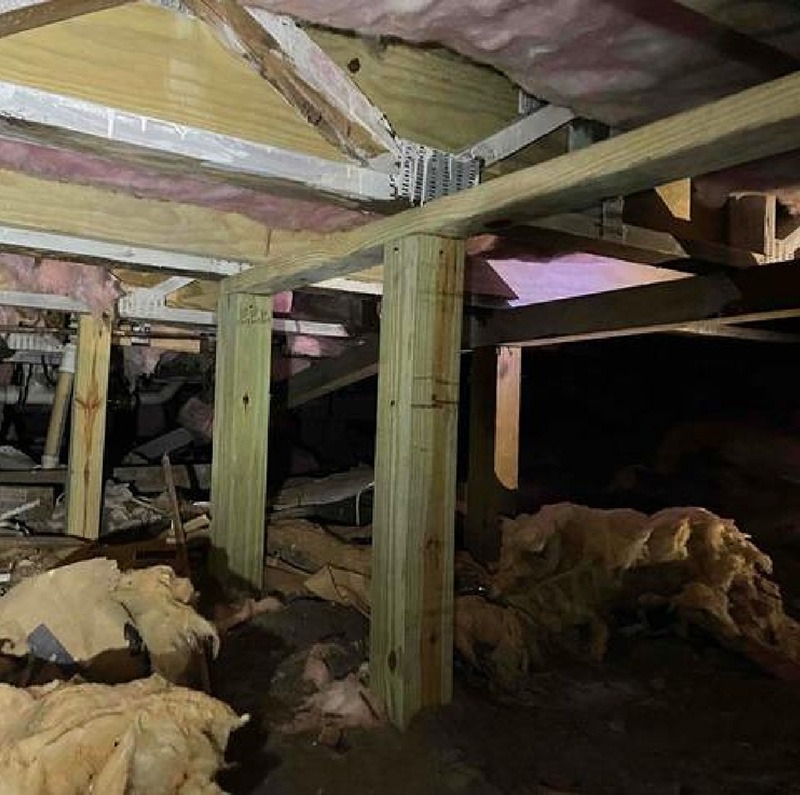
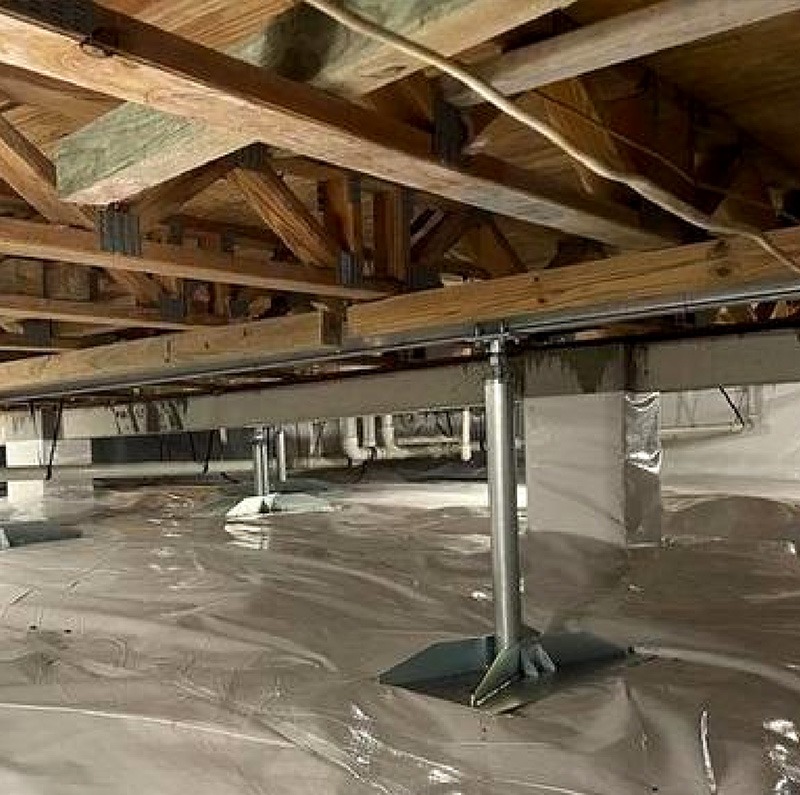
  • Crawl space repair in Dunedin, FL

    To repair sagging floor issues, LRE used SmartJacks, made from galvanized steel, and our Crawlspace Encapsulation System to control moisture, air flow, and stabilize the structure.

Proudly Serving Florida

LRE Foundation Repair is the local expert for Foundation repair and concrete repair and more. We proudly service Orlando and all of Florida.

Commercial Helical Anchors & Tiebacks FAQs

What determines the cost of a commercial helical tieback project in Tampa Bay, Orlando, Miami and Largo?2026-10-06T10:48:44-05:00

Cost depends on the number and capacity of the anchors, installation depth, soil conditions, site access, wall or shoring configuration, connection requirements, testing and other project-specific details. Reach out to LRE Foundation Repair to discuss your project and the scope required for your site. 

Are helical anchors and tiebacks code-compliant?2026-10-06T10:48:06-05:00

Helical anchor systems can be designed and specified to meet applicable building codes and project requirements. Requirements for a particular project vary by application, jurisdiction, design and specified system. LRE Foundation Repair coordinates with the project team to determine the appropriate system and installation requirements. 

Can helical anchors be installed on limited-access or still-operating commercial sites in Tampa Bay, Orlando, Miami and Largo?2026-10-06T10:47:31-05:00

Usually, yes. Helical anchors can be installed with relatively compact equipment and usually create minimal vibration and spoils, making them well suited for many limited-access and occupied commercial sites. Actual access requirements and effects on operations depend on the project and installation location. 

Do helical tiebacks require grout or curing time? 2026-10-06T10:46:22-05:00

Typically, no. Helical tiebacks build capacity through helix plates advanced into the soil rather than through a grouted bond zone. Because there is no grout to cure, the anchors can generally be loaded immediately after installation. 

How deep are helical tiebacks installed, and how far apart? 2026-10-06T10:44:30-05:00

There is no set depth or spacing that fits every project. Helical tiebacks need to extend past the anticipated failure plane and into suitable bearing soil. Length, angle and spacing are determined by factors such as soil conditions, wall geometry, loading and required anchor capacity. 

How much load can a commercial helical tieback hold? 2026-10-06T10:43:42-05:00

Tieback capacity comes down to the anchor configuration, soil conditions, installation depth and project criteria. Commercial helical tiebacks are selected for the required design load, and installation torque is monitored while the anchor advances to help confirm that installation requirements are being met. 

How do helical tiebacks stabilize a failing retaining wall?2026-10-06T10:42:51-05:00

Helical tiebacks are installed through or behind the retaining wall and advanced beyond the unstable soil into competent soil. Once tied into the wall, the anchors move lateral loads into the surrounding soil to help stabilize the wall and resist additional leaning, sliding or overturning. 

What is the difference between a helical anchor and a helical tieback?2026-10-06T10:41:51-05:00

A helical anchor is a general term for a steel anchoring system with helix-shaped bearing plates that transfer loads into the surrounding soil. A helical tieback is a type of helical anchor typically installed at an angle and connected to a wall or earth retention system to resist lateral forces.

Related pages

Service Areas

LRE Foundation Repair proudly serves Orlando and all of Florida.

Resources

Access valuable resources to help keep your home healthy and your family safe.

The LRE Promise

At LRE, we pride ourselves on providing permanent solutions, and stand behind our work with industry-leading, fully transferable warranties and guarantees.

Schedule your free inspection today

Don’t let unanswered questions about your
home worry you any longer.
Go to Top