Mold, Bugs & Pests2026-10-24T10:07:51-05:00

Mold, Bugs and Pests in Your Crawl Space

Musty odors, visible mold, insects or signs of pests in your crawl space can indicate too much moisture or other conditions below your home. LRE Foundation Repair inspects crawl spaces across Tampa Bay, Orlando, Miami and Largo to determine what's driving the problem and recommend the right solution.

Symptoms

Signs You Have Mold or Pests in Your Crawl Space

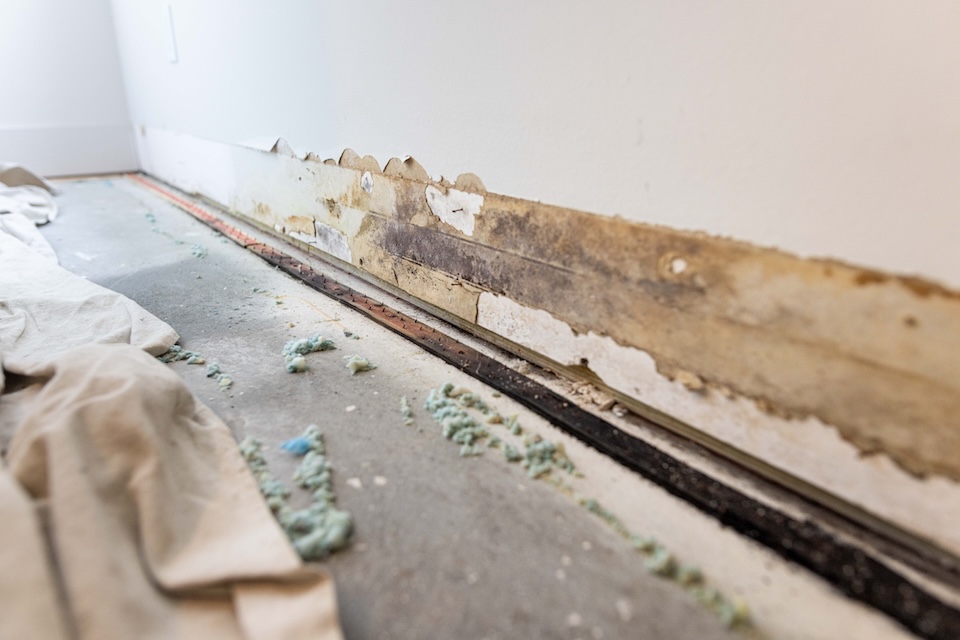
Signs of crawl space mold or pests can include musty odors, visible mold, insect activity, pest droppings and shifts in the floors above. You may notice these problems inside your crawl space or elsewhere in your home. Keep an eye out for these common warning signs:

Causes

What Causes Mold, Bugs and Pests in Your Crawl Space?

Mold, bugs and pests commonly thrive in damp, humid crawl spaces. Exposed soil can release ground moisture, while open vents may allow humid outdoor air in. When that moisture settles on wood, insulation and other materials, it can support mold growth and create conditions that draw insects and other pests.

  • Excess Humidity

    Excess crawl space humidity keeps wood and other materials damp, producing conditions where mold can take hold and insects may thrive. As a general rule, indoor relative humidity should stay below 60%, ideally between 30% and 50%.

    Moisture can make its way in from exposed soil, groundwater and humid outdoor air. When a crawl space stays damp and can’t dry out, mold is more likely to grow on wood and other organic materials. High humidity can also produce a more inviting environment for moisture-loving insects and pests.

  • Water Entering the Crawl Space

    Standing water or repeated seepage can leave your crawl space damp and add to mold, wood damage and pest activity.

    Water may enter through foundation walls, pool after heavy rain or come up from damp soil below the home. Poor grading and drainage can make the problem worse. Without proper drainage and moisture control, crawl space materials can remain wet long enough for mold and other moisture-related problems to develop.

  • Condensation

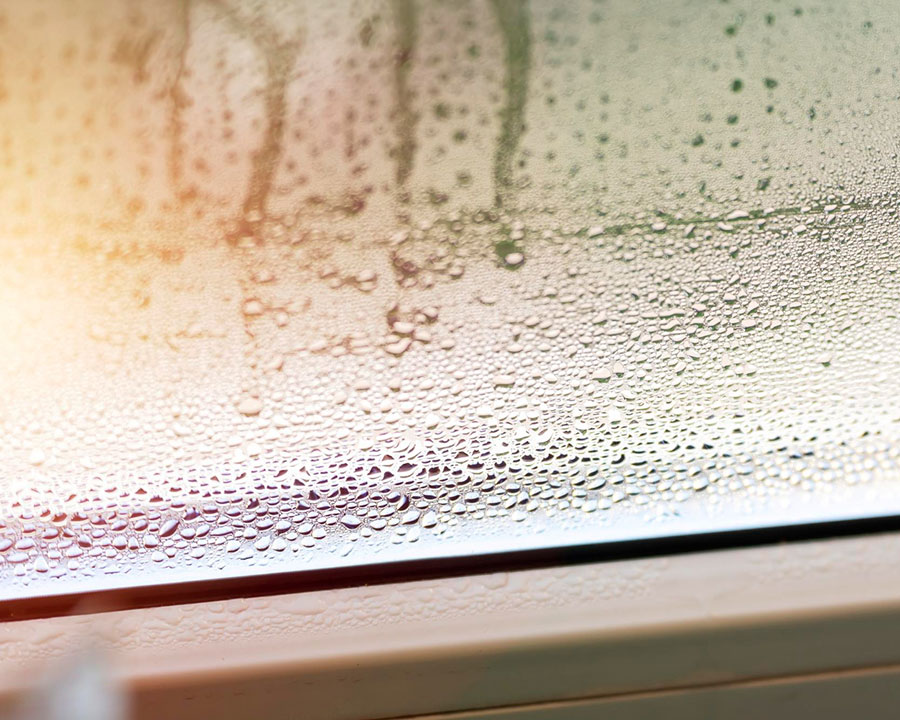
    Condensation can leave crawl space surfaces damp even when there’s no visible leak or standing water.

    Condensation forms when warm, humid air hits cooler surfaces such as ductwork, pipes, foundation walls or framing. Over time, repeated condensation can keep nearby wood and insulation damp, creating conditions that support mold growth and leaving the crawl space more inviting to certain insects.

  • Damp Insulation

    Damp or drooping insulation can trap moisture in your crawl space and keep the area from drying out.

    Insulation can take on moisture from high humidity, condensation, plumbing leaks or water entering the crawl space. Once damp, some insulation may stop performing as intended and stay wet against wood framing. That remaining moisture can add to mold growth, wood deterioration and conditions that attract insects and other pests.

  • No Vapor Barrier or an Ineffective One

    Without an effective crawl space vapor barrier, moisture from the soil below your home can continually enter the crawl space.

    Even soil that seems dry can give off water vapor into the crawl space. A properly installed vapor barrier helps isolate the home from ground moisture and is an important part of crawl space moisture control. Damaged, incomplete or poorly sealed barriers may leave areas exposed and allow moisture to keep coming in.

  • Open or Unsealed Crawl Space Vents

    Open vents can bring humid outdoor air into your crawl space and may leave openings for insects and other pests.

    Crawl space vents were traditionally intended to improve airflow, but during humid weather, outside air can introduce more moisture instead. Open or poorly sealed vents may also provide potential entry points for insects and small pests. Closing off these openings can be an important part of taking control of the crawl space environment.

  • Plumbing Leaks & Drainage Problems

    Leaking pipes and water collecting around your foundation can add continuous moisture to the crawl space.

    Even a slow plumbing leak can keep wood, insulation and other materials damp. Outside the home, clogged gutters, undersized downspouts, poor grading and drainage challenges can push rainwater toward the foundation. Identifying and fixing these moisture sources helps prevent the damp conditions that allow mold and pest problems to persist.

  • Entry Points for Pests

    Small gaps and openings around your crawl space can give insects, mice and other pests access to the area beneath your home.

    Pests may get in through damaged vents, gaps around access doors, utility penetrations, foundation openings and other small spaces. Moisture, shelter and organic material can make the crawl space even more appealing once they get inside. Sealing openings and managing moisture can help make the space less hospitable to future pest activity.

How Crawl Space Mold & Pest Problems Can Progress
  • 1. Moisture Creates the Conditions

    Soil moisture, humid air, leaks or poor drainage can leave your crawl space damp. When wood, insulation and other materials stay damp, mold can begin to grow and the moist environment may become more appealing to insects and other pests.

  • 2. Mold Growth and Pest Activity Can Increase

    Without moisture control, mold can continue to spread across damp organic materials. Insects and pests may also find food, shelter or nesting areas within the crawl space. Over time, you may notice stronger musty smells, more pest activity or signs of moisture-related damage.
  • 3. Problems Can Reach the Home Above

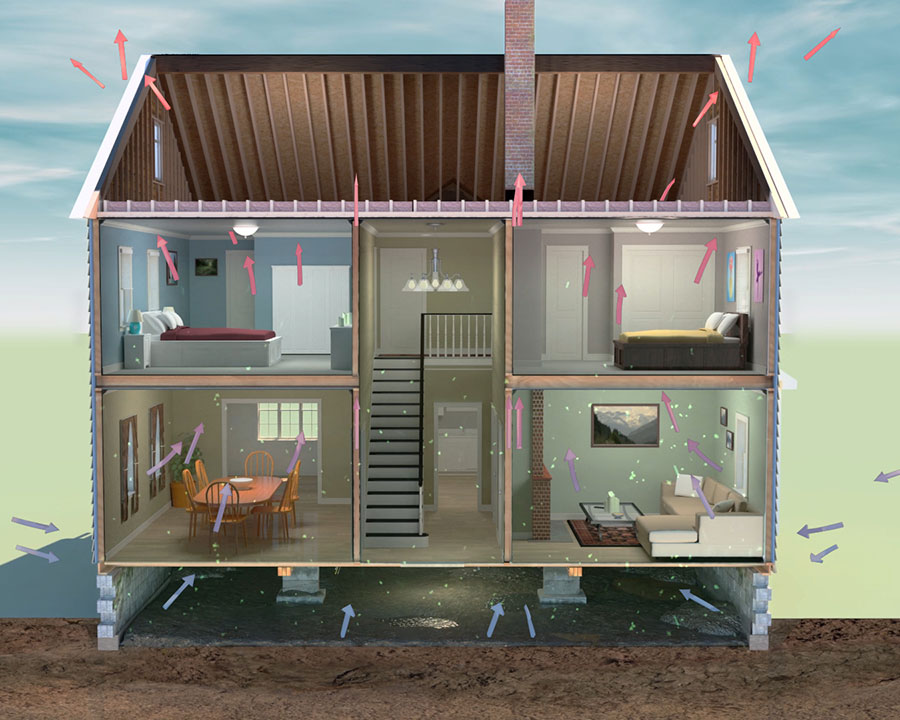
    Crawl space problems don’t always stay below your home. Musty odors and airborne particles can move into living areas, while long-term moisture, wood deterioration or certain pest activity can contribute to sagging floors and other damage that may eventually require repair.

How LRE Foundation Repair Helps Stop Crawl Space Mold & Pest Problems

Controlling crawl space moisture is key to creating an environment where mold and moisture-loving pests are less likely to take hold. LRE Foundation Repair offers crawl space solutions that tackle ground moisture, water intrusion and excess humidity to help keep the space cleaner, drier and better shielded.

Why Quick Fixes Don't Solve the Problem

Benefits

Why Homeowners Trust LRE Foundation Repair

Body copy specific to each dealer

What To Expect

Ready to get started?

Schedule a free estimate to start your repair journey with LRE.

Schedule your inspection

Fill out our form or give us a call to book your inspection. Share what you’ve noticed so we can send the right expert to your home.

Full home
inspection

An expert will inspect the problem area and surrounding conditions, including soil movement, drainage, structural integrity, and any related concerns.

Clear explanation
of findings

We’ll walk you through what we’re seeing in easy-to-understand language so you know the root cause of the issue, not just the symptoms.

Review recommendations

If repairs are needed, we’ll outline your options, pricing, and timeline so you can make the best decision for your home.

Schedule your free inspection—

It'll only take
a minute

Meet with a trusted expert, and get
clear answers about your home.

"*" indicates required fields

1Your Info
2Schedule Your Inspection
3Review & Submit

Customer Information

Don't just take our word for it

See what our customers have to say about our work.

Before & after photos

Check out before and after photos from some of our completed projects.
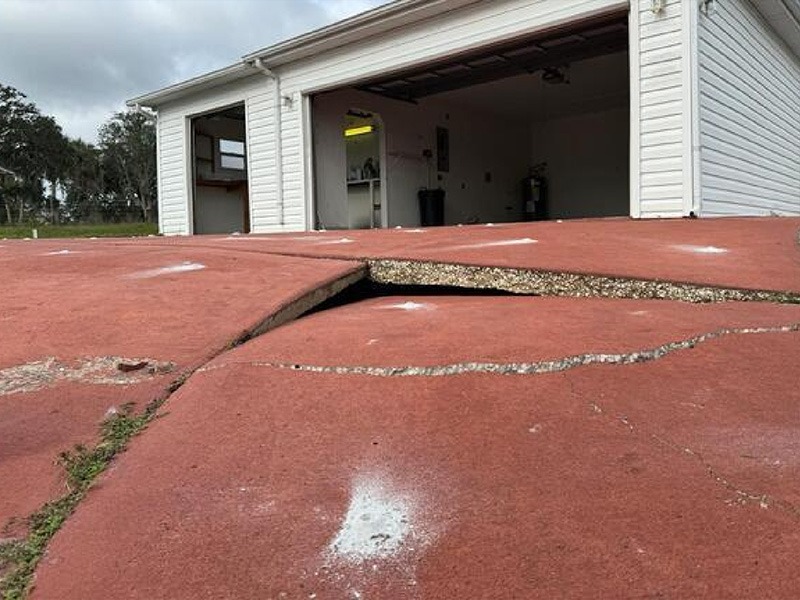
  • Concrete driveway repair in San Antonio, FL

    The LRE team utilized our PolyLevel Solution to not only bring the concrete slabs back to an even, safe level but also fill the void underneath and permanently stabilize the driveway.

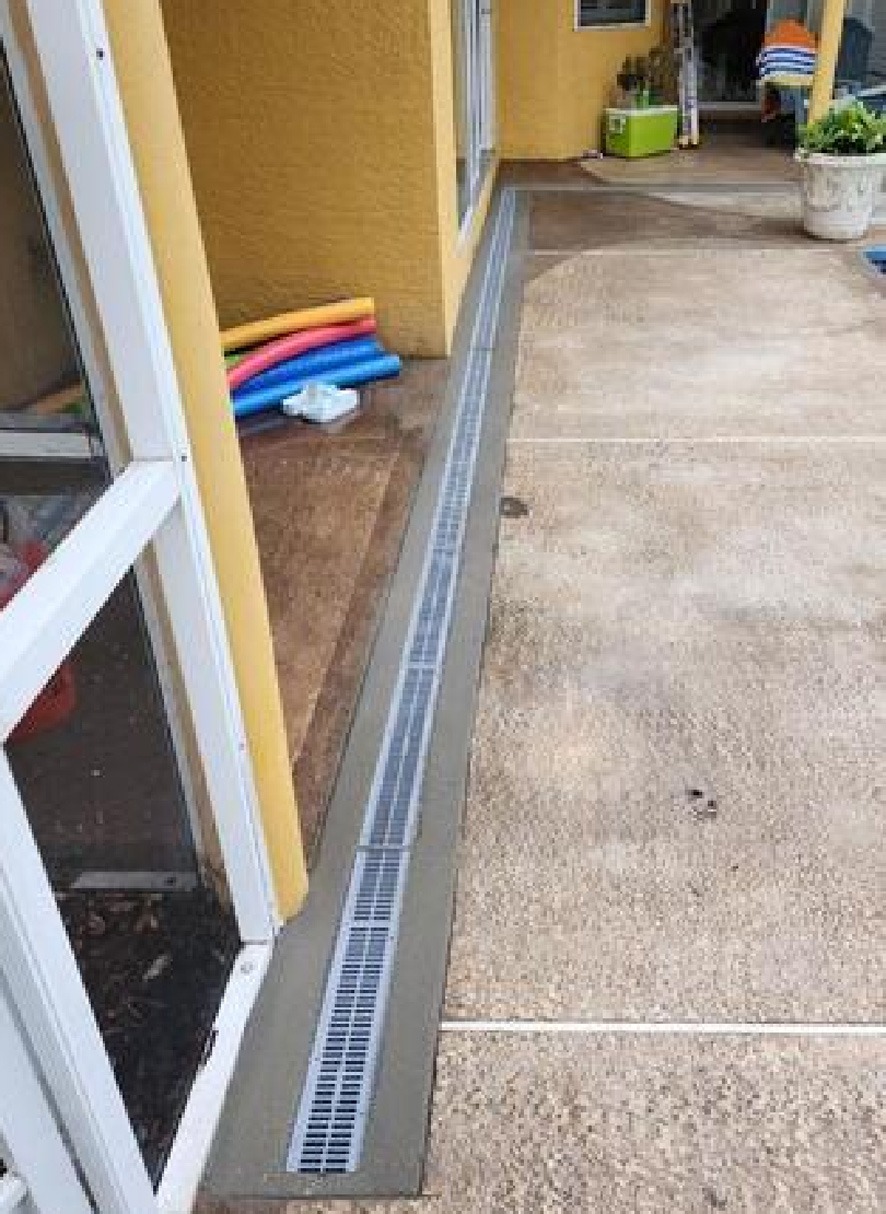
  • Channel drain solution in Seminole, FL

    The LRE team installed a 4″ channel drain within the pool deck’s concrete to collect rainwater and divert it away from the home through a subsurface drainage system.

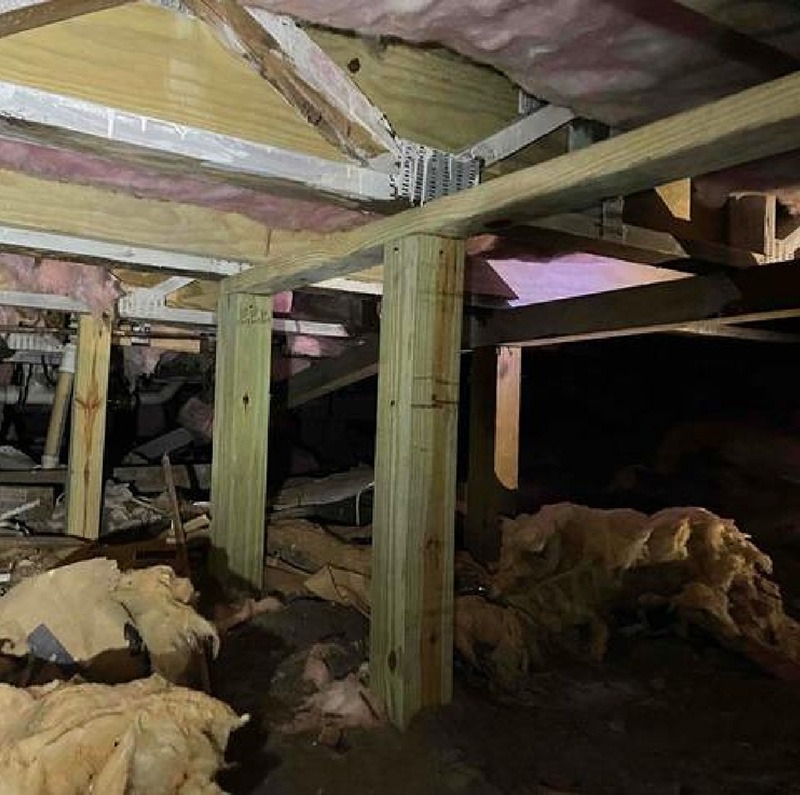
  • Crawl space repair in Dunedin, FL

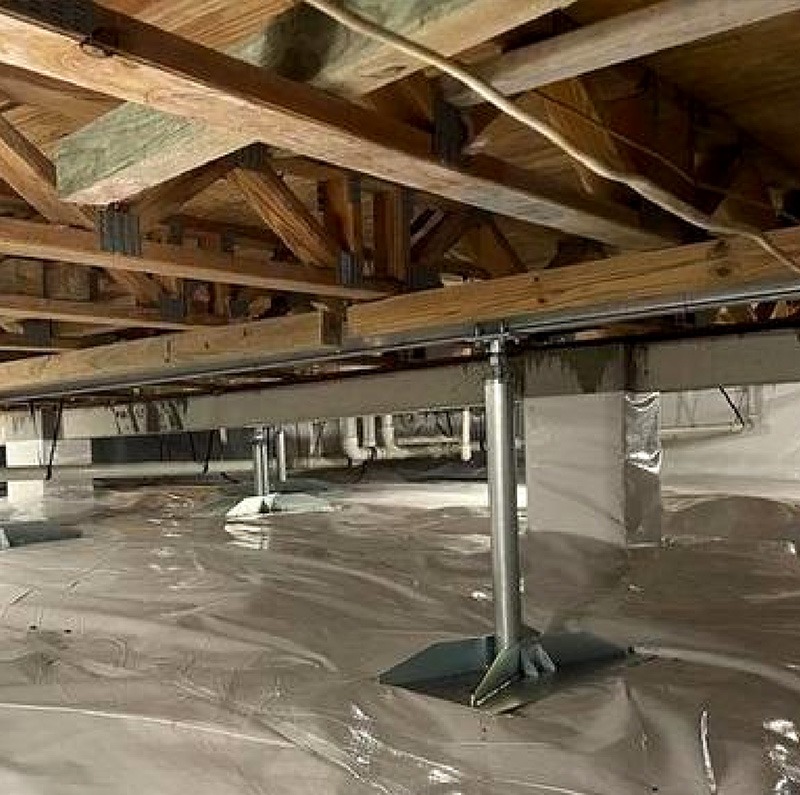
    To repair sagging floor issues, LRE used SmartJacks, made from galvanized steel, and our Crawlspace Encapsulation System to control moisture, air flow, and stabilize the structure.

Proudly Serving Florida

LRE Foundation Repair is the local expert for Foundation repair and concrete repair and more. We proudly service Orlando and all of Florida.

Frequently Asked Questions

Can I get rid of crawl space mold myself with bleach? 2026-10-01T13:54:26-05:00

Bleach alone is not a long-term fix for crawl space mold. Cleaning visible growth does not correct the humidity, water intrusion or condensation that allowed mold to develop. Bleach may also be ineffective on porous materials like wood. For lasting results, the source of excess moisture needs to be found and corrected. 

Will crawl space encapsulation keep termites, mice and other pests out? 2026-10-01T13:54:27-05:00

Crawl space encapsulation can help make the space drier, cleaner and less hospitable to some pests, but it isn’t a substitute for pest control or rodent exclusion. Sealing up vents and other openings may reduce some entry points, while active termites, rodents or other infestations should be evaluated and treated by an appropriate pest-control professional. 

How much is crawl space mold treatment or removal? 2026-10-01T13:54:28-05:00

Crawl space mold treatment costs vary based on the size of the space, extent of the mold growth, accessibility and the moisture problem behind it. Encapsulation, drainage or humidity control may also be recommended to help stop mold from coming back. LRE Foundation Repair provides free crawl space inspections in Tampa Bay, Orlando, Miami and Largo and a written estimate for recommended solutions. 

What’s the difference between crawl space mold treatment and professional mold remediation? 2026-10-01T13:54:29-05:00

Crawl space mold treatment typically addresses mold on affected surfaces along with the moisture conditions driving its growth. Professional mold remediation is a more specialized process that may involve containment, removal of contaminated materials and other procedures. The right approach depends on the extent of the mold and the conditions in your crawl space. 

Do I need an exterminator or a crawl space repair company? 2026-10-01T13:54:30-05:00

It depends on the problem, and sometimes you may need both. An exterminator can identify and treat an active pest infestation, while a crawl space repair company addresses moisture, humidity and other conditions that may be keeping the space inviting. Correcting those underlying conditions can be an important part of preventing recurring problems. 

Does finding bugs in my crawl space mean I have a moisture problem? 2026-10-01T13:54:32-05:00

Not always, but too much moisture can make a crawl space more appealing to certain insects and pests. High humidity, damp wood, standing water and wet insulation can create favorable conditions for pests. An inspection can help determine whether moisture, entry points or other crawl space conditions are contributing to the activity.

How do I know if I have mold in my crawl space? 2026-10-01T13:54:33-05:00

Common signs of crawl space mold include musty odors, fuzzy or stained growth on wood and other surfaces, and lingering dampness or high humidity. Mold can appear in many colors, including white, gray, green or black. Color alone cannot tell you the type of mold or whether it poses a health risk. 

Can mold in a crawl space affect my family’s health? 2026-10-01T14:01:26-05:00

Crawl space mold can be a concern, especially for people who are sensitive to mold. Mold exposure may trigger allergic reactions or aggravate the eyes, skin, nose, throat and lungs. Because air can move from your crawl space into your home, it’s important to address both the mold and the moisture conditions letting it grow. 

Related pages

Service Areas

LRE Foundation Repair proudly serves Orlando and all of Florida.

Resources

Access valuable resources to help keep your home healthy and your family safe.

The LRE Promise

At LRE, we pride ourselves on providing permanent solutions, and stand behind our work with industry-leading, fully transferable warranties and guarantees.

Schedule your free inspection today

Don’t let unanswered questions about your
home worry you any longer.
Go to Top