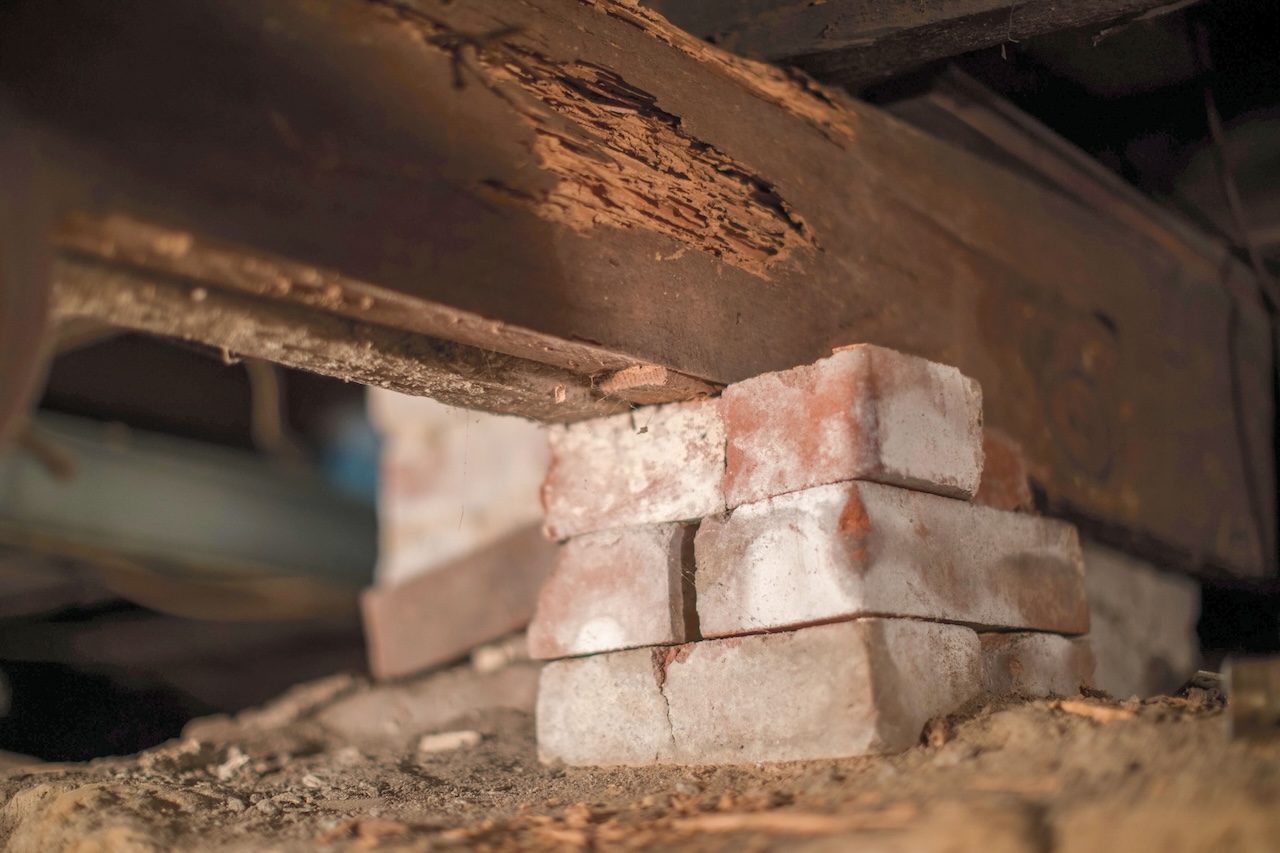
Dry Rot Damage in Your Crawl Space
Dry rot is a type of fungal wood decay that forms when crawl space wood stays damp. Left unaddressed, the damage can weaken floor joists, beams and other structural wood. LRE Foundation Repair can pinpoint the source, repair affected areas and help keep moisture problems from coming back.
<a id="Symptoms">
Symptoms
Signs of Dry Rot in a Crawl Space
You may notice signs of crawl space wood rot inside your home before you ever lay eyes on the damaged wood. Sagging floors, musty odors and other changes can hint at moisture and decay below. Look for these common signs of dry rot damage.

Sinking, Sagging or Bouncy Floors

Musty or Earthy Odors

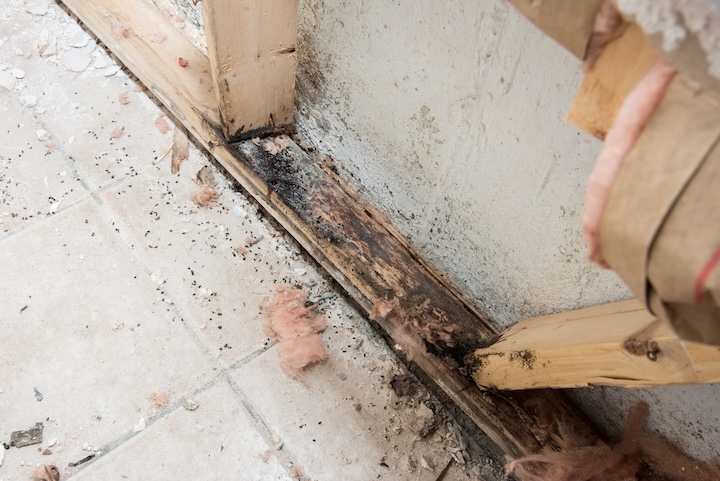
Soft, Springy or Crumbling Wood

Cracked, Shrinking or Discolored Wood

White or Fuzzy Growth on Wood

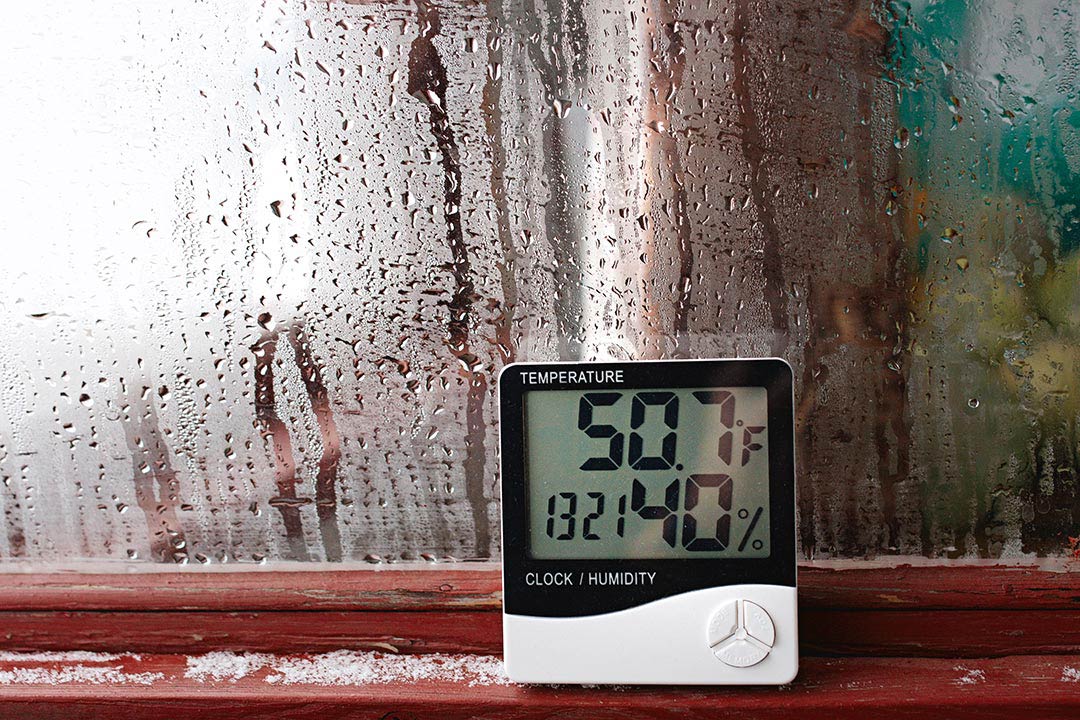
Wet Insulation, Condensation or Standing Water
<a id="Causes">
Causes
What Causes Dry Rot Damage in Tampa Bay, Orlando, Miami and Largo Crawl Spaces?
Despite its name, dry rot needs moisture to get started. When crawl space wood sits damp long enough, wood-decay fungi can start breaking down its fibers and weakening the structure. In Tampa Bay, Orlando, Miami and Largo, moisture can enter a crawl space in more than one way. Identifying and fixing that moisture source is an important part of removing the conditions that allow rot to keep spreading.
Ground Moisture from a Dirt Floor
An exposed dirt crawl space floor can steadily give off moisture vapor, even when the soil doesn’t appear wet. That moisture can drive up crawl space humidity and keep floor joists, beams and subflooring damp enough to create favorable conditions for fungal decay.
Groundwater and damp soil beneath your home are ongoing sources of moisture. Without a properly installed crawl space vapor barrier, water vapor can rise from the soil into the crawl space. Over time, persistently damp wood becomes more vulnerable to decay, especially when the space has limited ability to dry.

Humid Air Getting into the Crawl Space
Open crawl space vents, damaged vent covers and poorly sealed access doors can allow warm, humid outdoor air into the space. When that air reaches cooler wood, ductwork and other surfaces, condensation can develop and contribute to the damp conditions that wood-decay fungi need.
Ventilation doesn’t always dry a crawl space. During warm, humid weather, bringing more outside air into a cooler crawl space can actually add moisture. Recurring condensation and high humidity can prevent structural wood from drying properly, raising the risk of fungal decay over time.

Plumbing, HVAC and Ductwork Moisture
A leaking pipe, dripping plumbing connection or HVAC condensation problem can introduce water directly into a crawl space. Even a slow leak can keep nearby floor joists, subflooring, beams or other wood damp long enough for rot and structural damage to develop.
Because these leaks are out of sight below the home, they may go unnoticed for months. Water can saturate insulation or keep wetting the same structural components before there’s an apparent problem upstairs. Finding the leak and determining how much surrounding wood has been affected are both important parts of correcting the damage.

Water Draining Toward Your Foundation
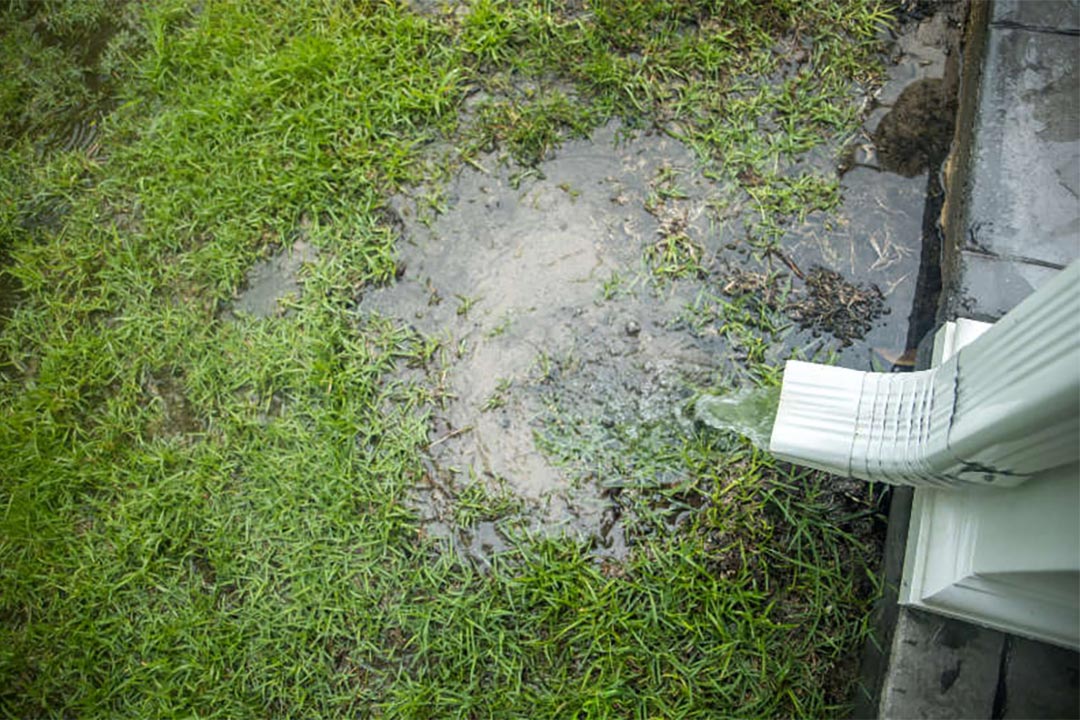
Poor grading, clogged or damaged gutters and short downspouts can leave rainwater collecting near your foundation. That water can find its way into the crawl space, raising humidity or leaving standing water that keeps structural wood in contact with moisture.
Heavy rain tends to make exterior drainage problems more obvious, but repeated smaller amounts of water can also lead to ongoing crawl space moisture. Keeping roof runoff routed away from the foundation and correcting drainage problems can help reduce the water entering the crawl space and contributing to wood decay.

How Moisture Turns into Crawl Space Wood Rot

Stage 1
Moisture Gets In
Ground moisture, plumbing leaks, poor drainage or humid outdoor air can bring moisture into your crawl space. When that moisture has nowhere to go, floor joists, beams and other structural wood can stay wet rather than drying out.

Stage 2
Wood Stays Damp
Wood-decay fungi need moisture to grow. When the moisture content of crawl space wood stays around 20% or higher, conditions become more favorable for fungal decay. The longer the wood stays damp, the greater the chance of damage.

Stage 3
The Wood Begins Losing Strength
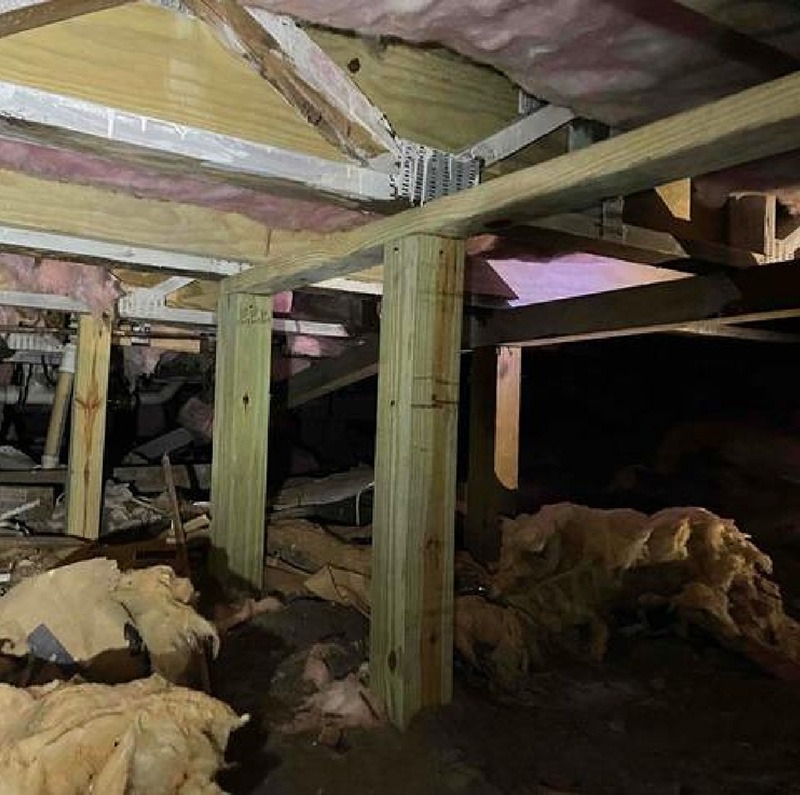
As decay advances, fungi break down the wood’s structure, making it softer, weaker and sometimes cracked or crumbly. Damaged joists and beams may eventually no longer support the floor above properly, resulting in sagging or bouncy floors.
<a id="Solutions">
Our Dry Rot Damage Solutions in Tampa Bay, Orlando, Miami and Largo
Repairing dry rot means handling both the damaged wood and the moisture conditions that allowed the decay to take hold. LRE Foundation Repair will inspect your crawl space, determine the extent of the damage and recommend the right combination of structural repairs and moisture-control solutions.

Wood Repair & Replacement

MoldEx & LumberKote Treatments

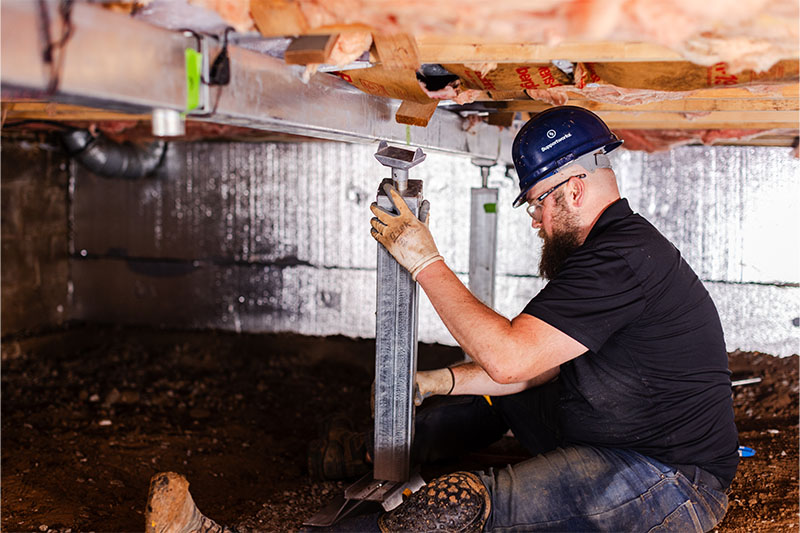
Structural Support Jacks

Crawl Space Encapsulation

Crawl Space Vapor Barrier

Crawl Space Dehumidifier
How It Works
How LRE Foundation Repair Repairs Dry Rot Damage

Step 1
Inspect the Damage and Find the Cause
Every repair begins with understanding what’s happening below your home. LRE Foundation Repair checks accessible joists, beams, subflooring and other wood for signs of decay, while searching for the moisture source that allowed the damage to develop.

Step 2
Repair the Damaged Wood
Depending on the extent of the damage, decayed joists, beams or other structural wood may be reinforced. In some cases, a new joist can be installed alongside the damaged one, a repair known as sistering, to help bring back structural support.

Step 3
Rebuild Structural Support
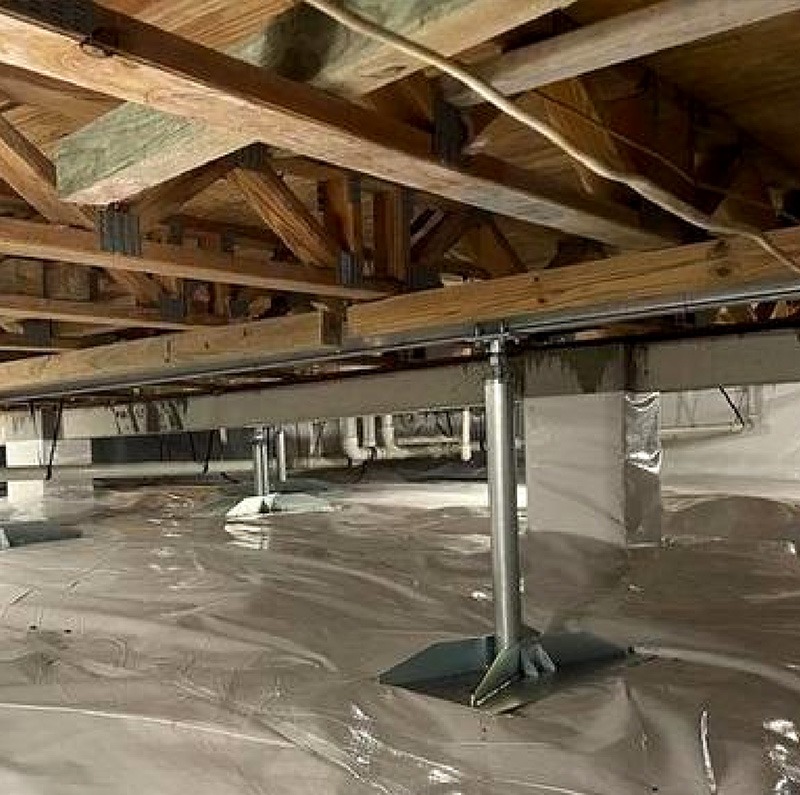
If damaged wood has led to sagging or bouncy floors, additional support may be needed. Adjustable crawl space jacks like the SmartJack® system can stabilize weakened areas and, when conditions allow, help lift portions of the floor toward a more level position.

Step 4
Address the Moisture Problem
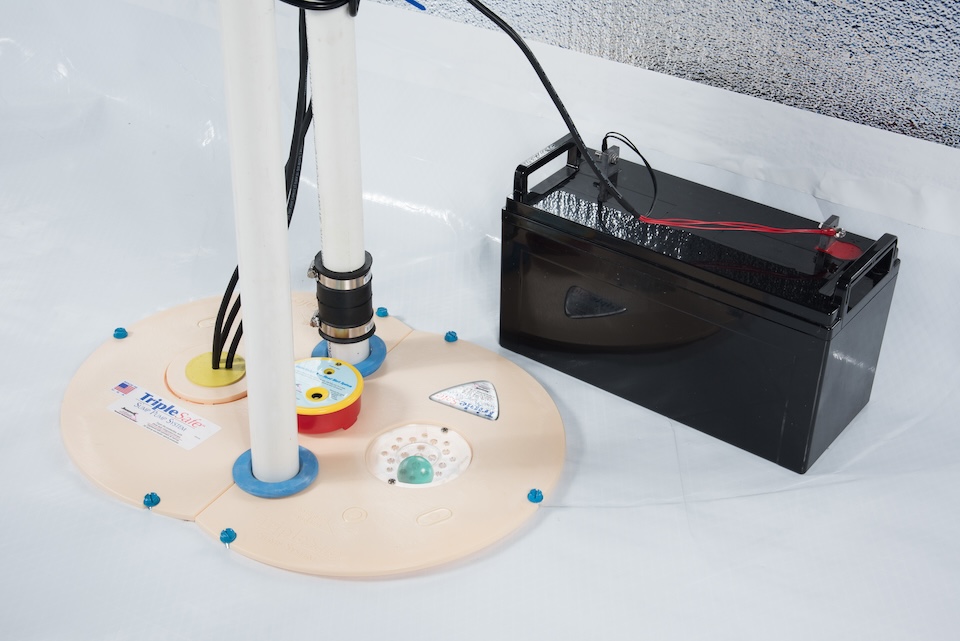
Fixing the wood is only part of the solution. Depending on where the moisture is originating, LRE Foundation Repair may recommend drainage, a sump pump, encapsulation, a vapor barrier or dehumidification to help keep the crawl space drier and protect repaired wood.
Benefits
Why Homeowners Rely On LRE Foundation Repair
Body Copy Specific to Each Dealer
<a id="What To Expect">
What To Expect
Ready to get started?
Schedule a free estimate to start your repair journey with LRE.
Schedule your inspection
Fill out our form or give us a call to book your inspection. Share what you’ve noticed so we can send the right expert to your home.
Full home
inspection
An expert will inspect the problem area and surrounding conditions, including soil movement, drainage, structural integrity, and any related concerns.
Clear explanation
of findings
We’ll walk you through what we’re seeing in easy-to-understand language so you know the root cause of the issue, not just the symptoms.
Review recommendations
If repairs are needed, we’ll outline your options, pricing, and timeline so you can make the best decision for your home.
Schedule your free inspection—
It'll only take
a minute
Meet with a trusted expert, and get
clear answers about your home.
"*" indicates required fields
<a id="Testimonials">
Don't just take our word for it
See what our customers have to say about our work.
When David from High Springs noticed the floors of his historic home starting to sag, he knew it was time to call LRE. 🏠 Our team at LRE Foundation Repair installed the SmartJack System — a durable, adjustable support solution designed to lift, level, and permanently stabilize crawl space floor joists.
Here’s why homeowners trust LRE’s SmartJack system: ✅ Galvanized steel supports that resist corrosion and won’t settle over time ✅ Restores uneven floors to their proper level ✅ Provides permanent stabilization for long-term protection Now, David’s home is stronger, safer, and ready to stand the test of time. Watch to see how LRE helped preserve the integrity of his historic home — and hear what David had to say about his experience!
David V. | High Springs, FL
Norbert’s driveway, walkway, and front porch in Gainesville, FL had settled over time, creating uneven surfaces and serious tripping hazards that had even caused previous injuries. After contacting LRE Foundation Repair, our team lifted and leveled the slabs with PolyLevel and sealed the cracks with NexusPro for long-lasting protection. Norbert was very pleased with the results and our team’s professionalism.
We’re grateful he shared his experience and helped other homeowners learn about reliable, long-term concrete repair solutions
Norbert M. | Gainesville, FL
When Toby bought his new home in Beverly Hills, Florida, he noticed water pooling along the side of his driveway and in front of his garage, caused by the slope directing water toward the house. Our team at LRE designed and installed a custom exterior drainage system to fix the problem for good. We added an enhanced channel drain in front of the garage, connected it to an underground drainage pipe, and tied in the home’s downspouts to safely redirect water away from the foundation.
Now, Toby’s property stays dry and protected — and he couldn’t be happier with the results!
Toby A. | Beverly Hills, FL
Scott and Carrie from Belleview were preparing to sell their home, but noticed that the cracks in their concrete pool deck were discouraging potential buyers. That’s when they reached out to us at LRE for help.
After our Customer Care team scheduled an appointment with one of our expert Design Specialists, we inspected the pool deck and developed a repair plan using our Two-Part Concrete Protection System — combining PolyLevel to lift and level the slabs, and NexusPro to seal the cracks and prevent future damage.
Scott and Carrie were thrilled with the transformation and the professionalism of our team — and they’re excited to share their wonderful experience! 🎥 Watch their story and see how LRE helped restore their pool deck and peace of mind!
Scott & Carrie D. | Belleview, FL
Christine and Scott in Leesburg, FL, noticed significant settlement inside and outside their home, with large cracks in their walls and tile flooring. Seeking a permanent solution, they turned to LRE Foundation Repair. Our team installed helical piers, interior slab piers, and PolyLevel to fully stabilize their home. Now, they have peace of mind knowing their home’s foundation is finally permanently secure.
Christine & Scott R. | Leesburg, FL
After noticing exterior wall cracks and doors that wouldn’t close properly, Mary knew her home needed help. Previous repairs had failed, leaving her without a lasting solution or a company to stand behind the work. In this testimonial, Mary shares how LRE Foundation Repair permanently stabilized her home and restored her peace of mind with proven solutions, lifetime transferable warranties, and double-backed warranty protection.
Mary Anne S. | Brooksville, FL
When Frank in Spring Hill, FL, noticed cracks in his walls, he turned to LRE Foundation Repair. Our Design Specialist confirmed foundation settlement and designed a plan using helical piers and a new exterior drainage system to stabilize the home and redirect water. With the repairs complete, Frank was thrilled with the results. Watch the video to see how LRE restored his home and peace of mind.
Frank N. | Spring Hill, FL
Patrick from New Port Richey noticed water entering through his home’s slab foundation during last year’s hurricanes and contacted LRE Foundation Repair for help. Our team installed a custom exterior drainage system, including a French drain to collect and redirect rainwater to a relief drain away from the home. We also connected his downspouts directly into the subsurface system to stop water from pooling near the foundation. The result? A dry, protected home — and one very happy homeowner.
🙌 Watch as Patrick shares his experience and see how LRE Foundation Repair helped protect his home from future flooding! 🌧️🏠
Patrick G. | New Port Richey, FL
When Terry purchased his new home in Tarpon Springs, his home inspector discovered a serious issue — the floor joists were being supported by makeshift car jacks! 😬 Looking for a long-term solution, Terry reached out to LRE Foundation Repair. Our team installed the SmartJack® System, providing strong, durable, and permanent support for the home’s floors.
Terry was so impressed with the results that he shared his incredible experience with us! 🙌 🎥 Watch his story to see how we helped restore lasting stability and peace of mind.
Terry C. | Tarpon Springs, FL
When Carin and Jon from Tampa, Florida, noticed buckling in the wood floors of their 1950s historic home, they suspected something was wrong beneath the surface. That’s when they called us at LRE Foundation Repair for a complimentary crawl space inspection. In this customer testimonial, hear directly from Carin and Jon as they share their experience—from the first inspection to the final results. Our expert Design Specialist identified major moisture issues in their crawl space, and our team got to work installing the CleanSpace™ Crawl Space Encapsulation System to create a dry, healthy environment under their home. Watch their story to see how we helped protect their home for years to come!
Carin & Jon B. | Tampa, FL
<a id="Before & After Photos">
Before & after photos
Check out before and after photos from some of our completed projects.


Concrete driveway repair in San Antonio, FL
The LRE team utilized our PolyLevel Solution to not only bring the concrete slabs back to an even, safe level but also fill the void underneath and permanently stabilize the driveway.
Channel drain solution in Seminole, FL
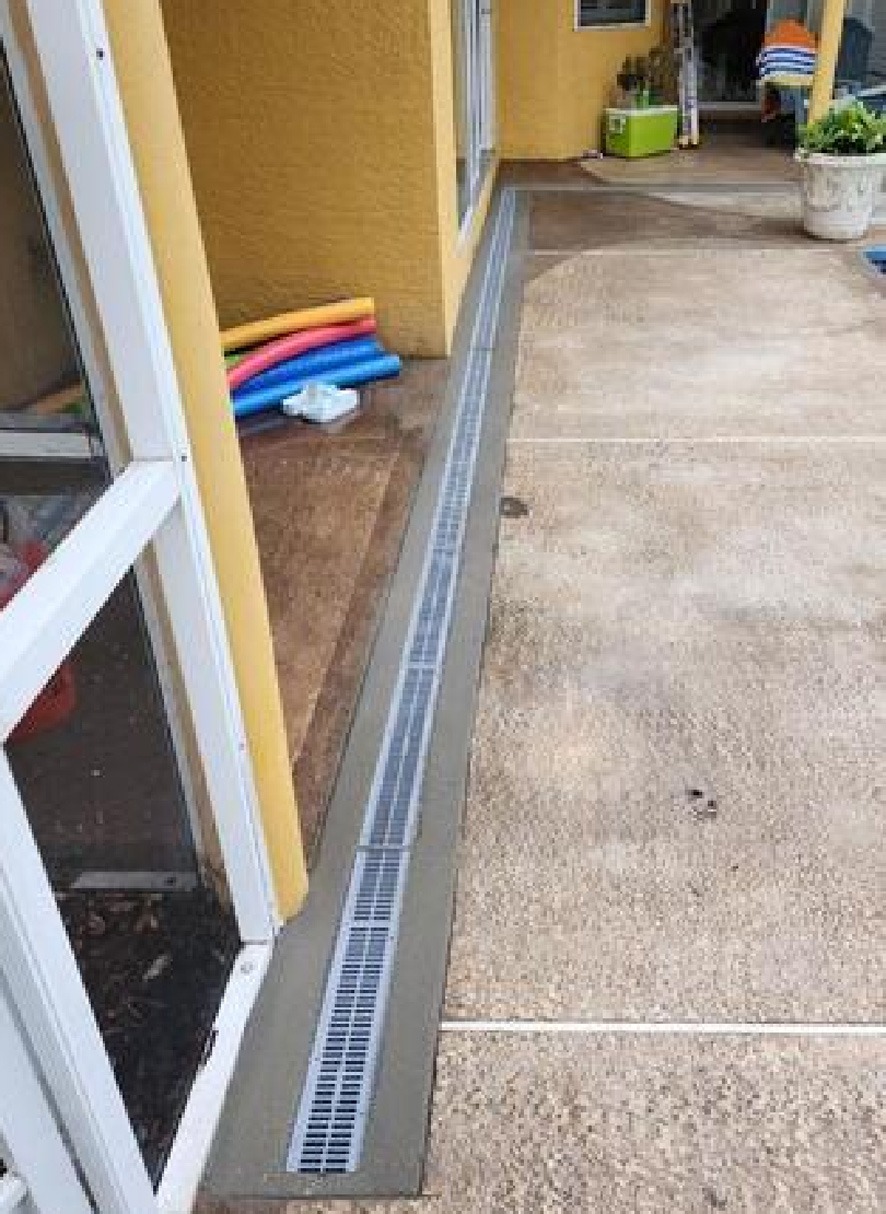
The LRE team installed a 4″ channel drain within the pool deck’s concrete to collect rainwater and divert it away from the home through a subsurface drainage system.
Crawl space repair in Dunedin, FL
To repair sagging floor issues, LRE used SmartJacks, made from galvanized steel, and our Crawlspace Encapsulation System to control moisture, air flow, and stabilize the structure.
Proudly Serving Florida
LRE Foundation Repair is the local expert for Foundation repair and concrete repair and more. We proudly service Orlando and all of Florida.

<a id="FAQs">
Frequently Asked Questions
Not if the moisture problem is left in place. Repairing or replacing rotted wood addresses the damage, but the crawl space also needs to stay dry enough to discourage fungal decay. Depending on the moisture source, that may call for drainage, encapsulation, a vapor barrier, dehumidification or other crawl space improvements.
It depends on your homeowners insurance policy and what caused the damage. Policies may treat gradual wood deterioration or damage related to persistent moisture differently from damage caused by a sudden, covered event. Read your policy and contact your insurance provider to determine whether your specific dry rot or wood rot damage is covered.
Dry rot repair costs differ based on how much wood is damaged, where the damage is located and what caused the moisture problem. Repair may involve strengthening or replacing wood along with moisture-control improvements. LRE Foundation Repair can inspect your crawl space and recommend the repairs needed for your home.
It depends on how much of the joist has deteriorated and whether it can still provide adequate structural support. Some damaged floor joists can be reinforced or sistered with new lumber, while heavily decayed joists may need to be replaced. An inspection can determine the extent of the damage and the appropriate repair.
There isn’t one set timeline. How quickly wood decay spreads depends on moisture levels, temperature, airflow, the type of fungus and the wood itself. As long as wood is damp enough to support fungal growth, decay can continue. That’s why locating and correcting the moisture source is just as important as evaluating the damaged wood.
No. Mold and dry rot are both fungi tied to moisture, but they do different things to wood. Mold generally grows on the surface and does not cause the same structural decay. Wood-decay fungi break down components of the wood itself, which can eventually deteriorate floor joists, beams and other structural components.
Rotting crawl space wood may feel soft, spongy or crumbly and can appear cracked, shrunken or discolored. You may also see fungal growth on the wood or sagging and bouncy floors above. Because not all damage shows on the surface, a crawl space inspection can help determine how much wood has been affected.
Dry rot is a type of fungal wood decay that can deteriorate floor joists, beams and other structural wood. Despite its name, dry rot needs moisture to develop. “Wood rot” is a broader term for decay caused by fungi, so dry rot is a type of wood rot, not a separate problem caused by wood being too dry.
Related pages
Resources
Access valuable resources to help keep your home healthy and your family safe.
The LRE Promise
At LRE, we pride ourselves on providing permanent solutions, and stand behind our work with industry-leading, fully transferable warranties and guarantees.