Poor Gutter Drainage2026-10-28T11:48:30-05:00

Poor Gutter Drainage in Tampa Bay, Orlando, Miami and Largo

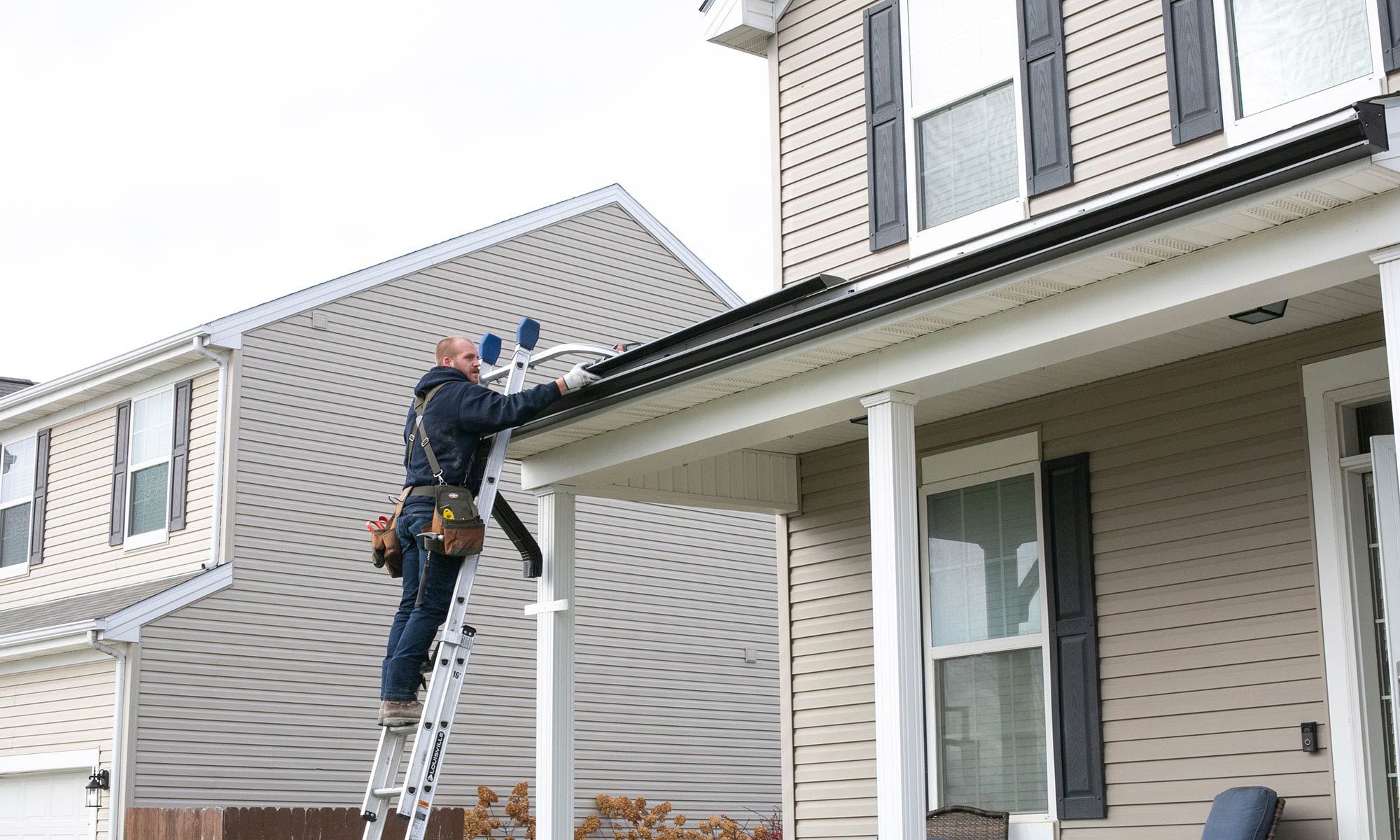
Overflowing gutters, water that won't drain, low spots or downspouts discharging right against your home can all be signs of gutter drainage problems. LRE Foundation Repair can pinpoint what's stopping your gutter system from moving water properly and suggest the right solution for your home.

Symptoms

How to Tell If Your Gutter Drainage Is Failing

The signs of poor gutter drainage can surface along your roofline, around your foundation or even inside your home. Be on the lookout for gutters overflowing during heavy rainfall, water standing where it shouldn't and these other indicators that your gutters and downspouts aren't directing water away from your home.
Causes

What Causes Poor Gutter Drainage?

Gutter drainage issues can happen anywhere along the path that water takes from your roof to the ground. Debris-filled gutters are a likely culprit, but gutter overflow can also be caused by improper pitch, broken components, downspouts that are too short or clogged underground drains. Pinpointing where the system is breaking down is the first step toward moving water away from your foundation.

  • Clogged Gutters and Downspouts

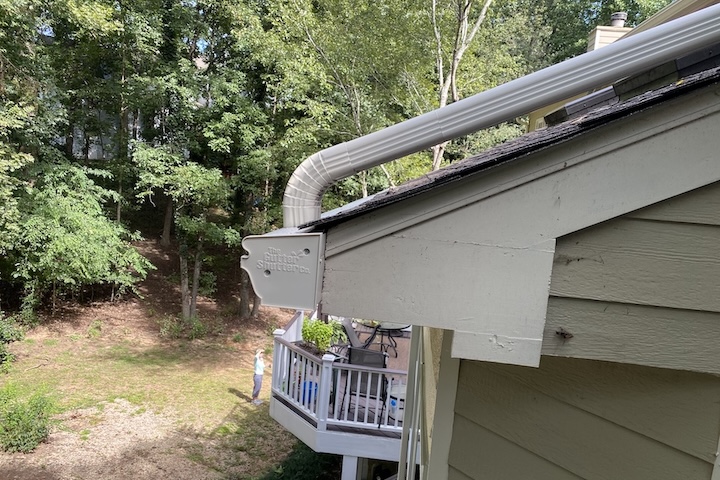
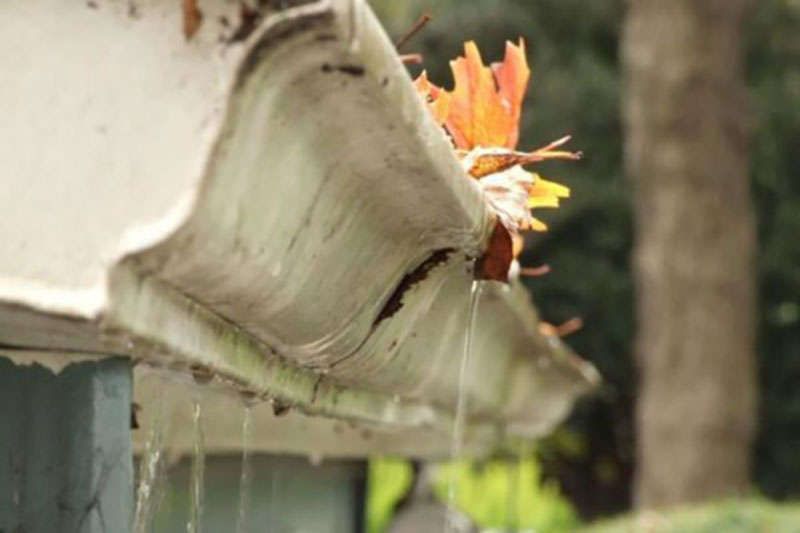
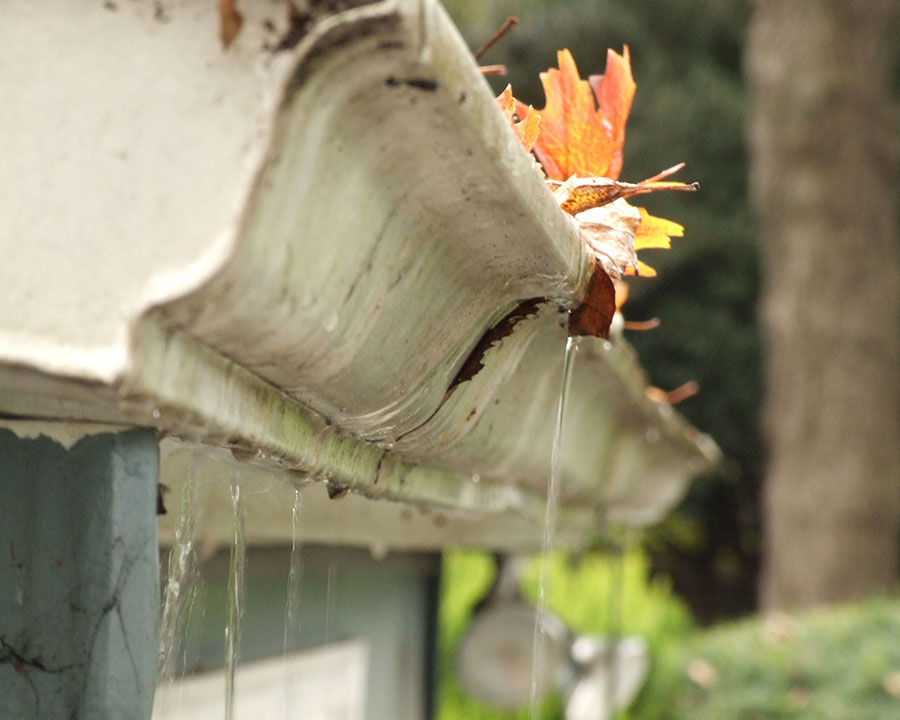
    Debris like leaves and twigs can prevent water from draining through your gutters and downspouts. During a storm, you may observe water pouring over the edges, dripping behind the gutter or backing up near the downspout. You may also notice almost no water coming from the bottom of the downspout.

    When gutters or downspouts get clogged, water may run over the edge, leak behind the gutter or discharge in the wrong place. Over time, that can harm fascia, siding and landscaping and keep the system from sending roof runoff where it should go.

  • Too-Small or Improperly Sloped Gutters

    If your gutters spill over even when they’re free of debris, they may be too small or pitched incorrectly. You might also notice water standing in sections of the gutter long after a storm or running over in the same spots whenever it rains hard.

    Gutters need adequate capacity to handle the water running off your roof and enough slope to move it toward the downspouts. If they’re too small or improperly pitched, water can pool or spill over before it reaches the downspout, pushing runoff down your siding or onto the ground near your foundation.

  • Downspouts Discharging Too Close to the Foundation

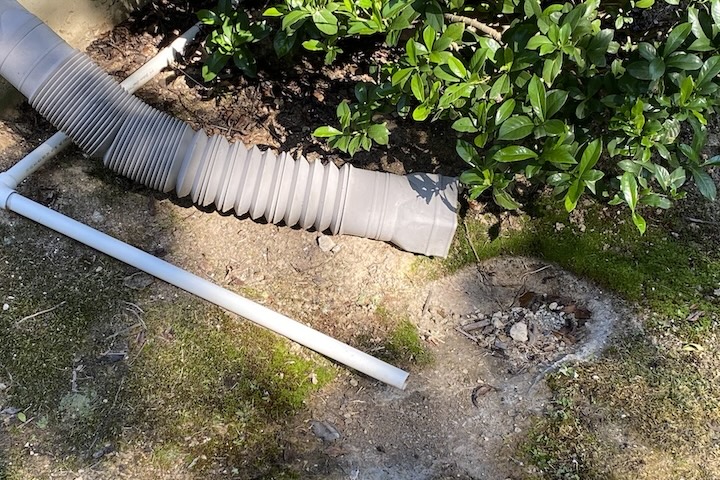
    Check where your downspouts release water during and after a storm. If you notice puddles, saturated soil or water flowing back toward your home, the discharge point may be too close to the foundation. Missing, short or disconnected downspout extensions are another clue that rainwater isn’t being directed far enough from the house.

    Downspouts gather runoff from large sections of your roof and release it in concentrated areas. When that water is dumped alongside the house, the surrounding soil can quickly become oversaturated. That excess water can make its way into a crawl space or basement and may also contribute to erosion and soil movement around the foundation.

  • Improper Grading Around the Foundation

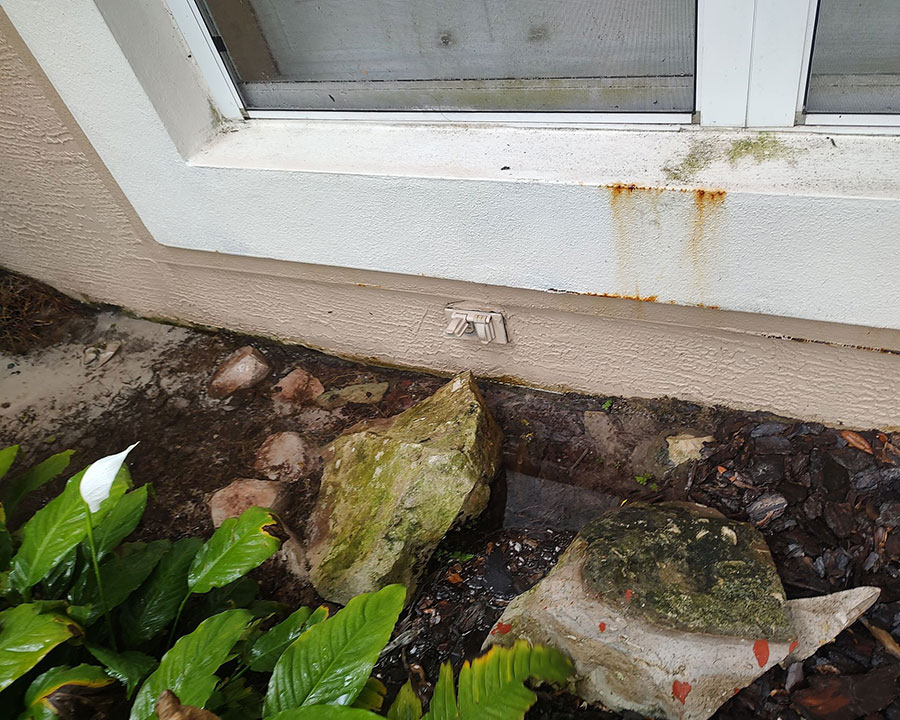
    After it rains, notice which way water travels around your home. Puddles beside the foundation, consistently soggy soil or water flowing back toward the house can suggest a grading problem. You may also spot washed-away mulch, uncovered roots or channels forming through landscaping.

    The ground around your home is a major factor in drainage. When soil shifts or slopes toward the foundation, water from downspouts and surrounding areas can pool against the house instead of moving away. Repeated soaking can raise the risk of water seeping into your home and contributing to erosion or soil movement.

  • Sagging, Separated or Damaged Gutters

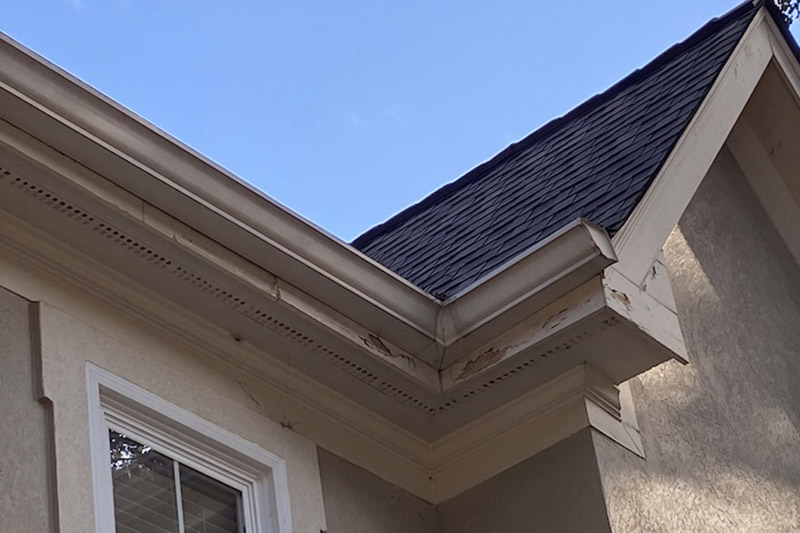
    Take a walk around your home and watch for gutters that droop, detach from the roofline or leak at joints and seams. During rain, you may see water dripping through gaps, streaming down the siding or escaping at low spots instead of moving toward the downspout.

    Loose fasteners, debris buildup, standing water, ice and age can all damage gutters or pull them out of position. Once the water path is disrupted, water may get out before reaching the downspout and land beside your home, pooling water in areas where you don’t want it.

  • Blocked or Broken Underground Drain Lines

    If your downspouts connect to underground drain lines, the problem may be underground. Watch for water pooling where the downspout enters the drain, surging during heavy rain or surfacing elsewhere in the yard. Constantly wet spots can also be a sign, especially when your gutters and downspouts appear to be working properly.

    Underground drain pipes can fill up with debris, roots or sediment, or they may crack, separate or collapse over time. When water can’t move through the line, it may surge back or escape underground. Depending on where the failure occurs, that can leave excess water near the foundation instead of carrying it safely away.

Where That Water Ends Up

  • Your Roof and Gutters

    Roof runoff should travel from your roof into the gutters, through the downspouts and safely away from your home. Clogged gutters, gutter overflow, leaks or badly positioned downspouts can break that path and send water toward your foundation.

  • Waterlogged Soil Around the Foundation

    When water from your roof repeatedly collects beside your home, the surrounding soil can become saturated. Water may puddle, wear away landscaping or collect against the foundation instead of draining safely away.
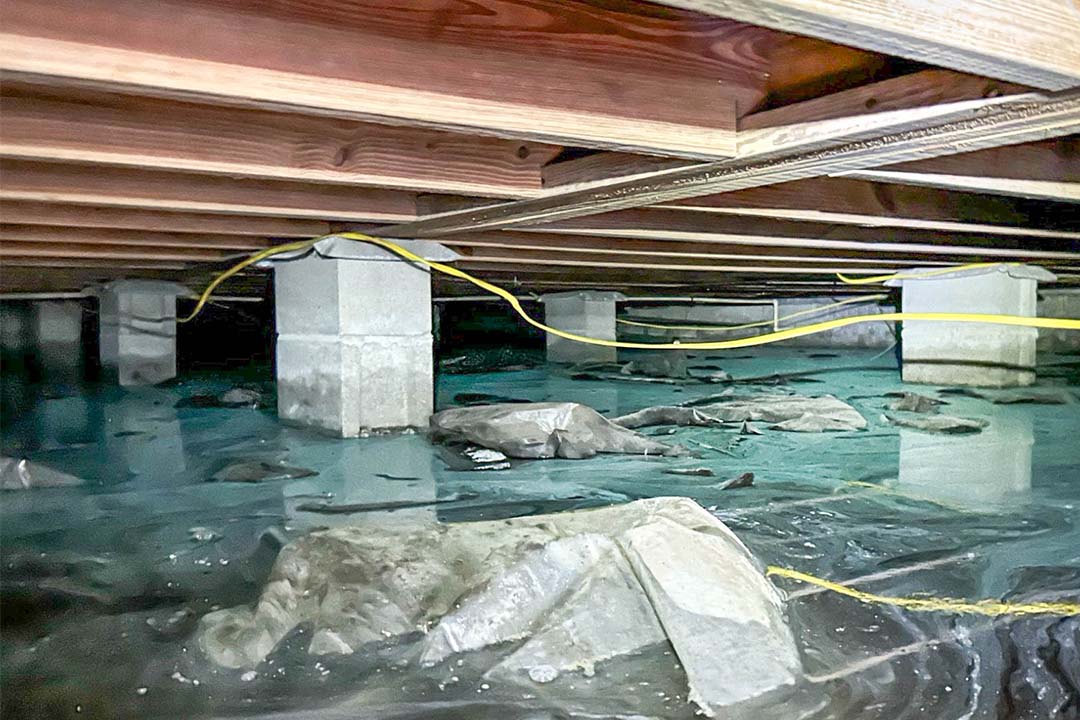
  • Your Foundation, Basement or Crawl Space

    Over time, excess water around the foundation can result in seepage, damp basement or crawl space conditions and, in some cases, foundation issues.

How LRE Foundation Repair Addresses Poor Gutter Drainage

The right solution depends on where your problem begins and where the water is traveling. LRE Foundation Repair evaluates your gutters, downspouts and drainage around your home to identify a solution that helps move water away from your foundation.

What Happens When Poor Gutter Drainage Left Ignored?
Benefits

Why Homeowners Trust LRE Foundation Repair

Body Copy Specific to Each Dealer

What To Expect

Ready to get started?

Schedule a free estimate to start your repair journey with LRE.

Schedule your inspection

Fill out our form or give us a call to book your inspection. Share what you’ve noticed so we can send the right expert to your home.

Full home
inspection

An expert will inspect the problem area and surrounding conditions, including soil movement, drainage, structural integrity, and any related concerns.

Clear explanation
of findings

We’ll walk you through what we’re seeing in easy-to-understand language so you know the root cause of the issue, not just the symptoms.

Review recommendations

If repairs are needed, we’ll outline your options, pricing, and timeline so you can make the best decision for your home.

Schedule your free inspection—

It'll only take
a minute

Meet with a trusted expert, and get
clear answers about your home.

"*" indicates required fields

1Your Info
2Schedule Your Inspection
3Review & Submit

Customer Information

Don't just take our word for it

See what our customers have to say about our work.

Before & after photos

Check out before and after photos from some of our completed projects.
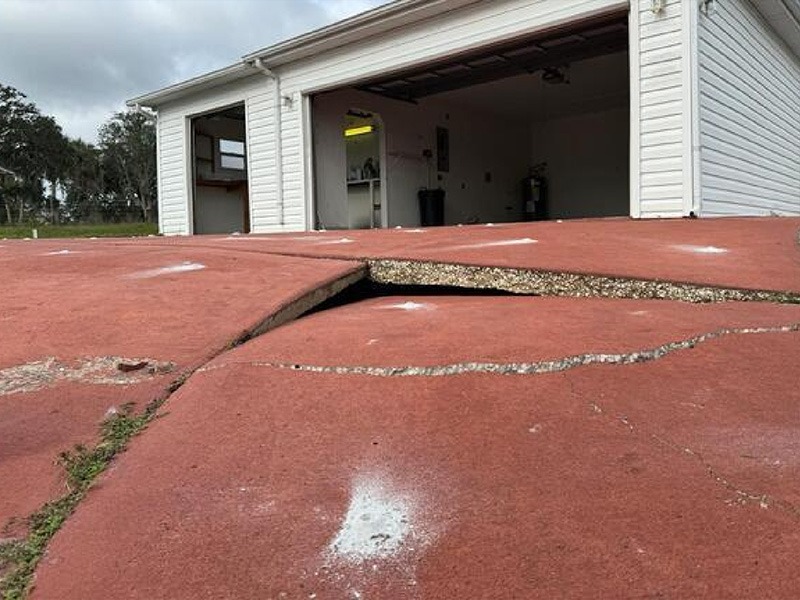
  • Concrete driveway repair in San Antonio, FL

    The LRE team utilized our PolyLevel Solution to not only bring the concrete slabs back to an even, safe level but also fill the void underneath and permanently stabilize the driveway.

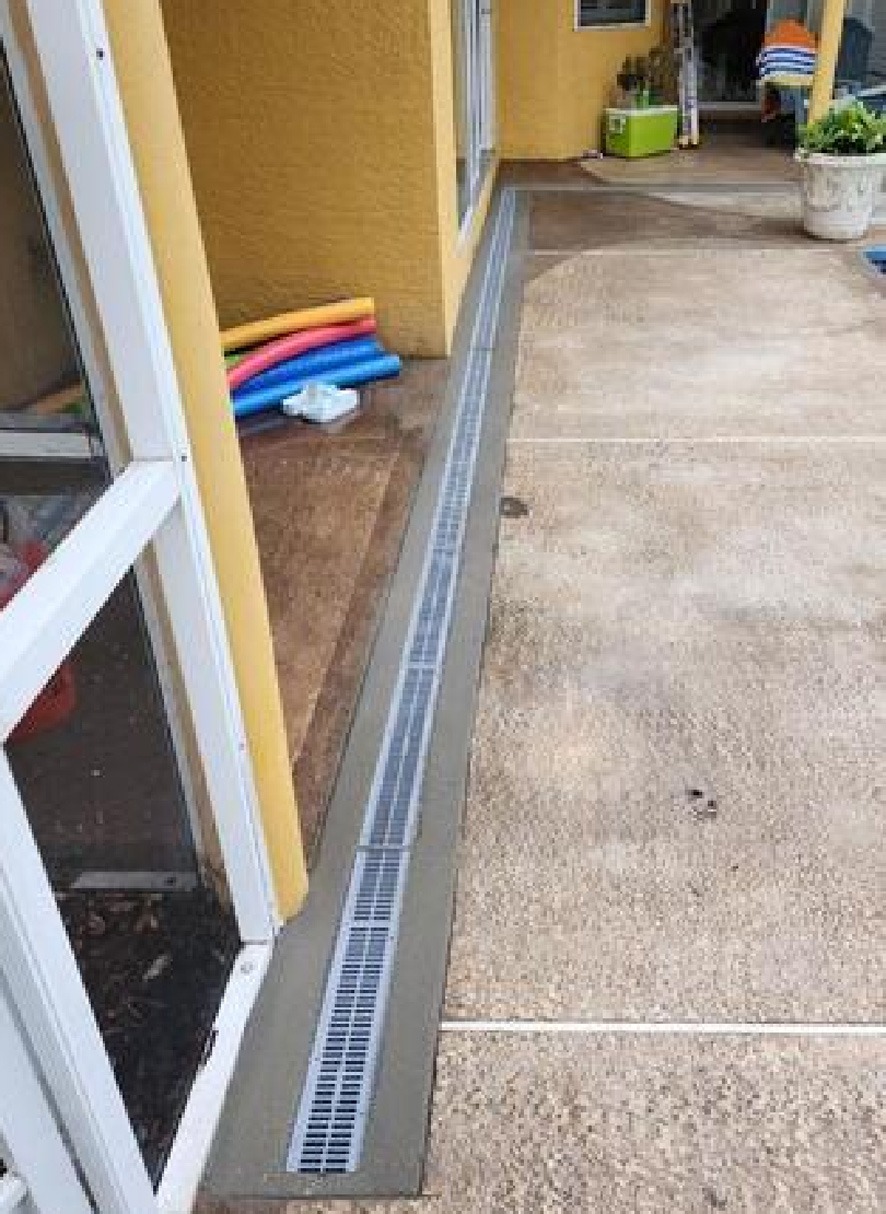
  • Channel drain solution in Seminole, FL

    The LRE team installed a 4″ channel drain within the pool deck’s concrete to collect rainwater and divert it away from the home through a subsurface drainage system.

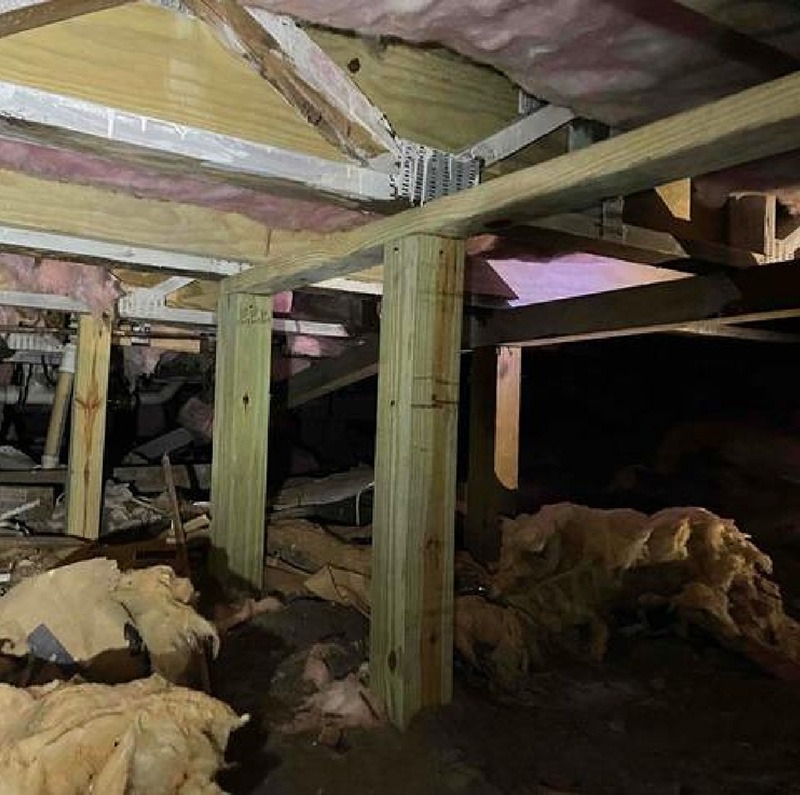
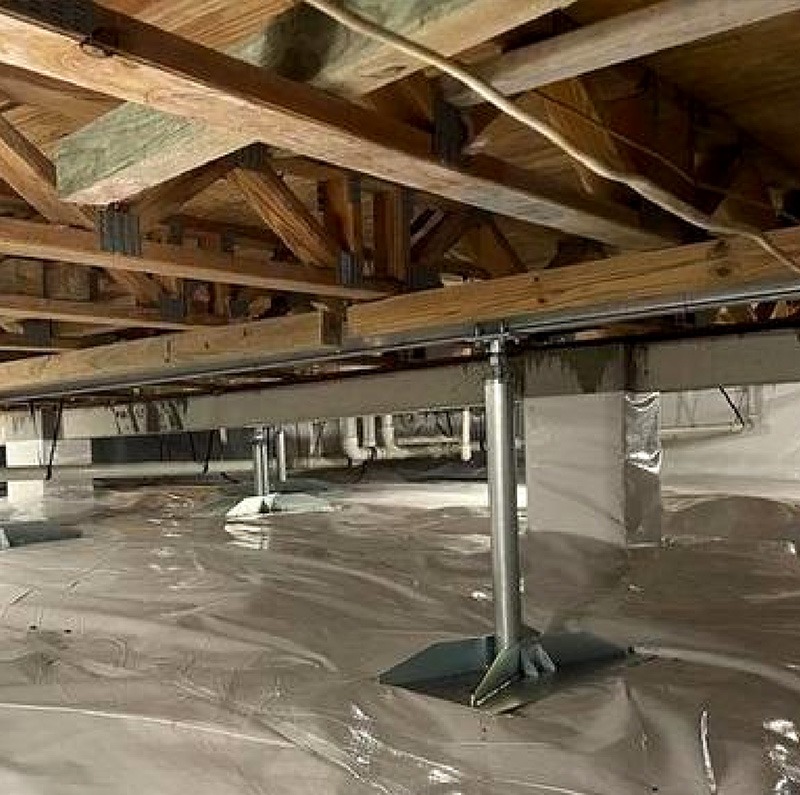
  • Crawl space repair in Dunedin, FL

    To repair sagging floor issues, LRE used SmartJacks, made from galvanized steel, and our Crawlspace Encapsulation System to control moisture, air flow, and stabilize the structure.

Proudly Serving Florida

LRE Foundation Repair is the local expert for Foundation repair and concrete repair and more. We proudly service Orlando and all of Florida.

Frequently Asked Questions

How can I tell if my underground gutter drain is clogged? 2026-10-07T08:44:09-05:00

A clogged underground gutter drain may cause water to back up where the downspout enters the drain, spill over during heavy rain or surface in unexpected areas of your yard. Ongoing soggy spots can also be a indicator. A drainage inspection can determine whether the line is clogged, broken or collapsing. 

Do I need gutter guards, or just regular cleaning? 2026-10-07T08:43:45-05:00

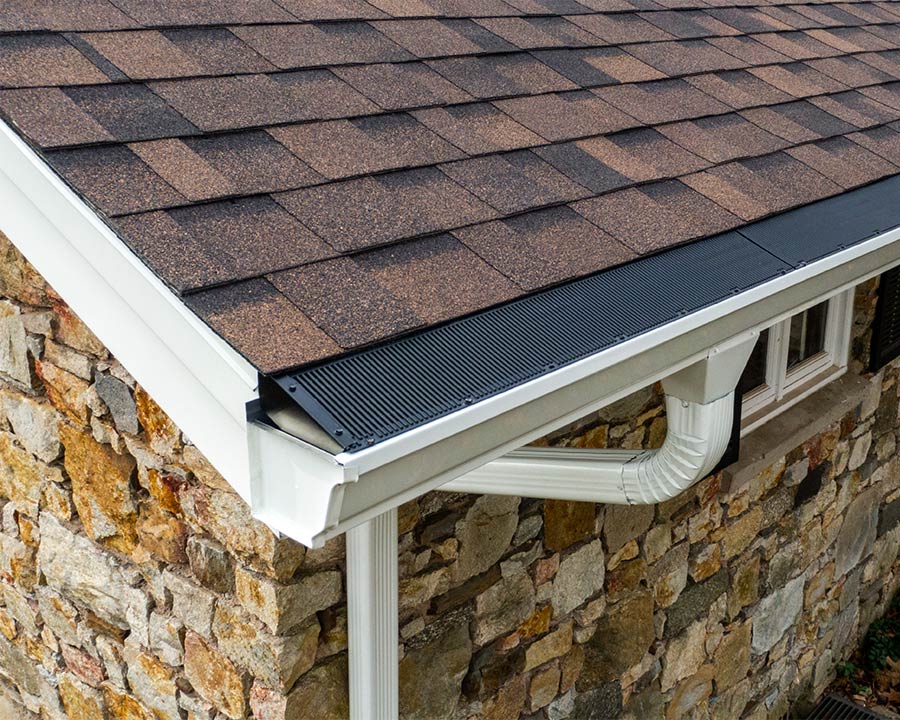
It depends on how fast debris builds up in your gutters. Regular gutter cleaning clears away existing leaves and accumulation, while gutter guards help cut down on the amount of debris making its way into the system between cleanings. Guards can make maintenance easier, but they don’t do away with it completely. An inspection can help identify what makes sense for your home. 

Why do I have water in my basement after a heavy rain? 2026-10-07T08:42:54-05:00

Heavy rain can soak the soil around your foundation, and gutters that overflow or downspouts that release water too close to the house can add even more water. That moisture may get in through wall cracks, joints or other openings. Improving gutter drainage can limit the amount of water around your home, but repeat seepage may require additional waterproofing. 

Can poor gutter drainage really damage my foundation? 2026-10-07T08:42:26-05:00

Yes. Gutter drainage problems can lead to foundation problems when gutters and downspouts keep releasing water beside your home. Waterlogged or eroding soil can weaken the support around the foundation and contribute to foundation movement and cracking over time, particularly when other soil or drainage conditions are already in play. 

Do clogged gutters cause roof leaks? 2026-10-07T08:41:34-05:00

Yes. When gutters are clogged, water can collect along the roof edge instead of draining normally. Depending on your roof and gutter system, that water can get behind fascia, soffits or roofing materials and lead to leaks. Clogged gutters can also run over, routing water down siding and around your home. 

How far from my house should a downspout discharge? 2026-10-07T08:40:49-05:00

There isn’t one number that works for every home. The goal is to drain water far enough away that it keeps moving away from, not back toward, the foundation. Your yard’s pitch, soil and drainage conditions all matter. Downspout extensions can help move roof runoff to a safer discharge point. 

Why do my gutters still overflow after cleaning them? 2026-10-07T08:40:02-05:00

Freshly cleaned gutters can still spill over if they’re too small, sloped wrong or damaged, or if a downspout or underground drain is obstructed. Intense rainfall can also overwhelm a system that can’t keep up with the amount of water coming off your roof. If your gutters overflow regularly, an inspection can help pinpoint where the drainage issue is occurring. 

Related pages

Service Areas

LRE Foundation Repair proudly serves Orlando and all of Florida.

Resources

Access valuable resources to help keep your home healthy and your family safe.

The LRE Promise

At LRE, we pride ourselves on providing permanent solutions, and stand behind our work with industry-leading, fully transferable warranties and guarantees.

Schedule your free inspection today

Don’t let unanswered questions about your
home worry you any longer.
Go to Top