Cracking or Bowing Walls2026-10-23T09:15:44-05:00

Foundation Wall Repair for Cracking & Bowing Walls

Bowed, cracked or leaning foundation walls are among the most widespread foundation wall problems homeowners face. They are commonly triggered by pressure from the adjacent soil. When ignored, foundation wall movement can keep getting worse over time, but most walls can be permanently secured without rebuilding your foundation. A expert inspection eliminates the guesswork by determining the cause of the movement and recommending the right foundation wall repair solution for your home.

Symptoms

Signs Your Foundation Wall Needs Attention

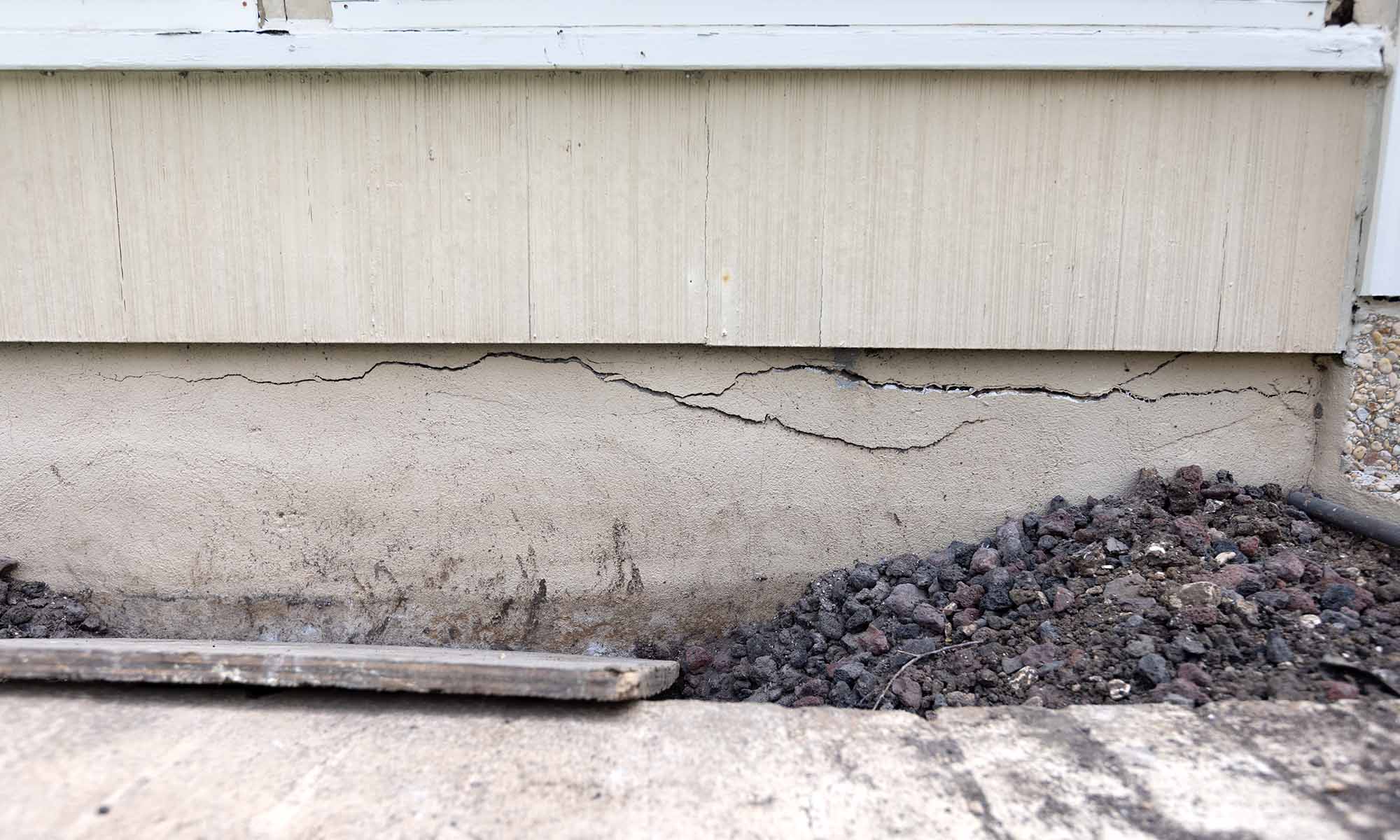
Foundation wall damage frequently begins with slight changes that get harder to ignore over time. Bowing walls, horizontal or stair-step cracks, gaps and other signs of movement can signal pressure against your foundation that shouldn't be dismissed.

Catching these warning signs early can help prevent more significant structural damage. If you notice one or more of the symptoms below, a professional inspection can uncover what's causing the movement and whether repairs are needed.

Causes

What Causes Cracking & Bowing Foundation Walls?

Foundation walls are engineered to resist pressure from the surrounding soil, but changing soil moisture, poor drainage, expansive soils and seasonal weather can eventually create more force than the wall was designed to support. As that pressure builds up over time, foundation walls may crack, bow inward, buckle or lean. Identifying what's causing the pressure is the first step toward choosing the right repair solution.

  • Hydrostatic pressure

    When water accumulates in the soil around your foundation, it creates hydrostatic pressure that places force on foundation walls. Over time, this pressure can cause walls to crack, bow or lean inward.

    Hydrostatic pressure forms because moisture-heavy soil becomes far heavier than dry soil, increasing horizontal force against basement walls. Concrete walls are highly resistant to vertical loads but comparatively weaker against constant lateral pressure. Diagnosing and correcting drainage issues can help reduce stress on your foundation and protect it from further damage.

  • Expansive clay soil 

    Clay-rich soils expand as they absorb moisture and shrink as they dry. This constant cycle places recurring stress on foundation walls and can lead to structural movement over time.

    As the soil pushes against your foundation, that repeated movement can slowly weaken the wall and increase the risk of cracks, bowing or leaning. Homes built on expansive clay are often more prone to foundation movement, making early detection especially important.

  • Drainage Problems

    Insufficient drainage allows water to collect around your foundation instead of moving away from your home. Over time, excess moisture can add to soil pressure and contribute to foundation wall cracks, bowing and structural movement.

    When rainwater builds up around your foundation, the surrounding soil can become saturated and put extra pressure on foundation walls. In some areas, changing moisture levels can also cause soil to expand when wet and shrink as it dries, leading to inconsistent support beneath the foundation. Proper drainage helps channel water away from your home and relieves pressure on your foundation over time.

How foundation wall pressure develops over time.
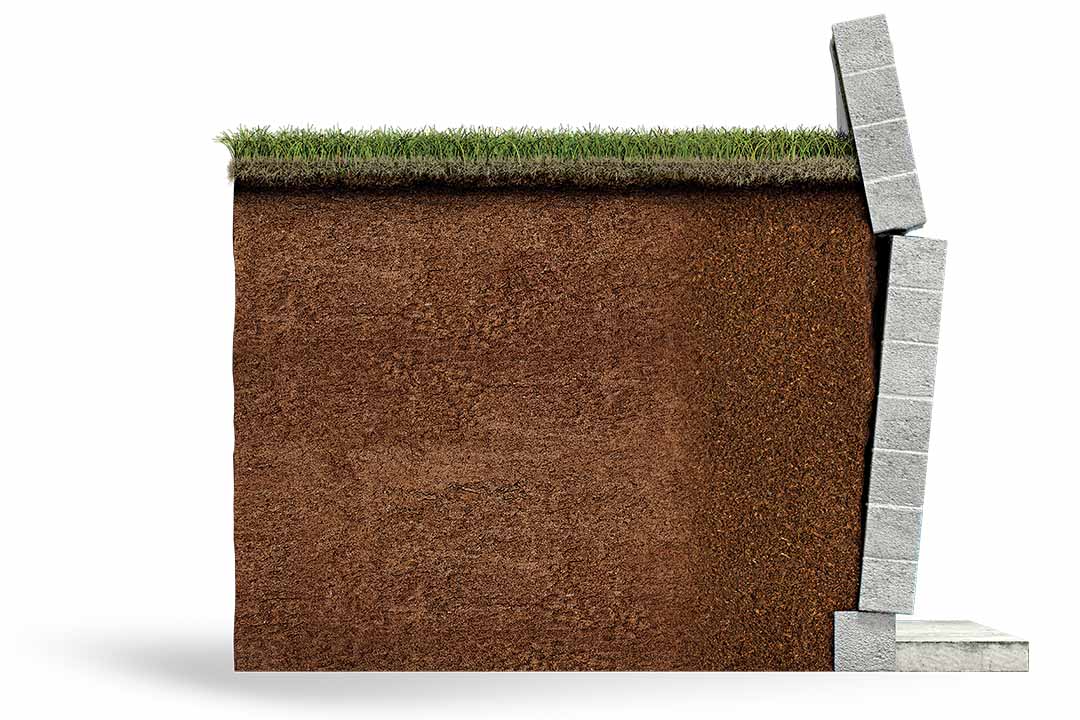
  • Pressure Builds

    As moisture increases in the soil around your home, it adds weight and pressure starts pushing on your foundation walls from the outside. Poor drainage, shifting soil moisture, and moving ground conditions can all add to this stress.
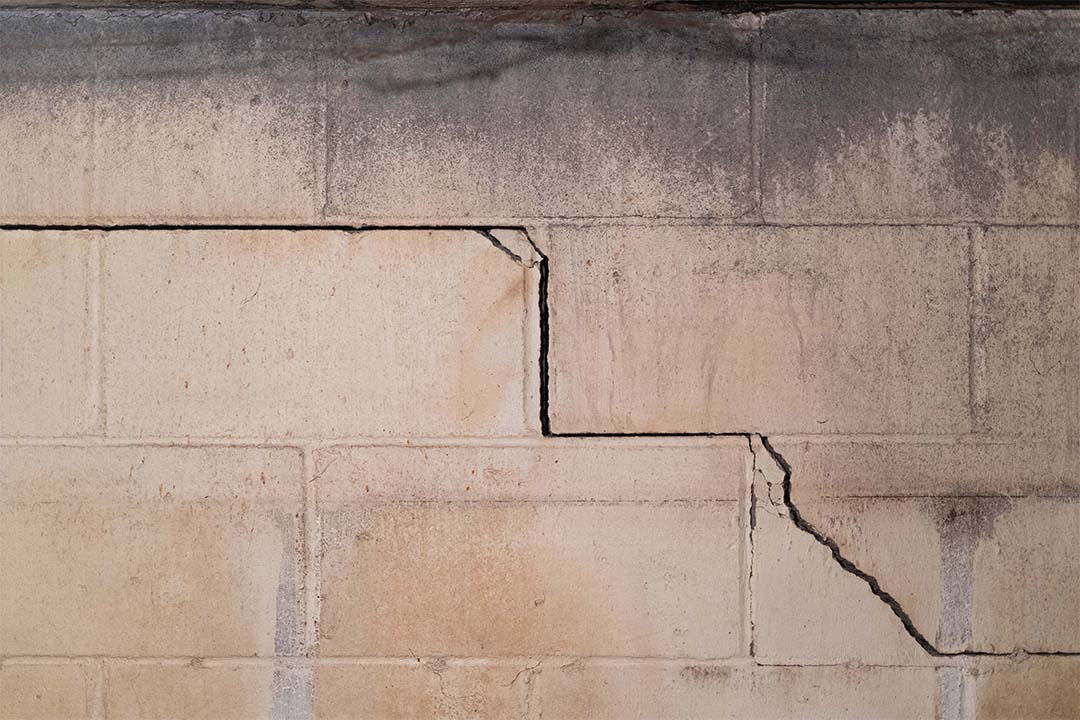
  • Warning Signs Appear

    As the pressure continues, the wall starts to show signs of movement. Small cracks may develop or expand, and sections of the wall can start bowing or leaning inward as the foundation gives way to the pressure.
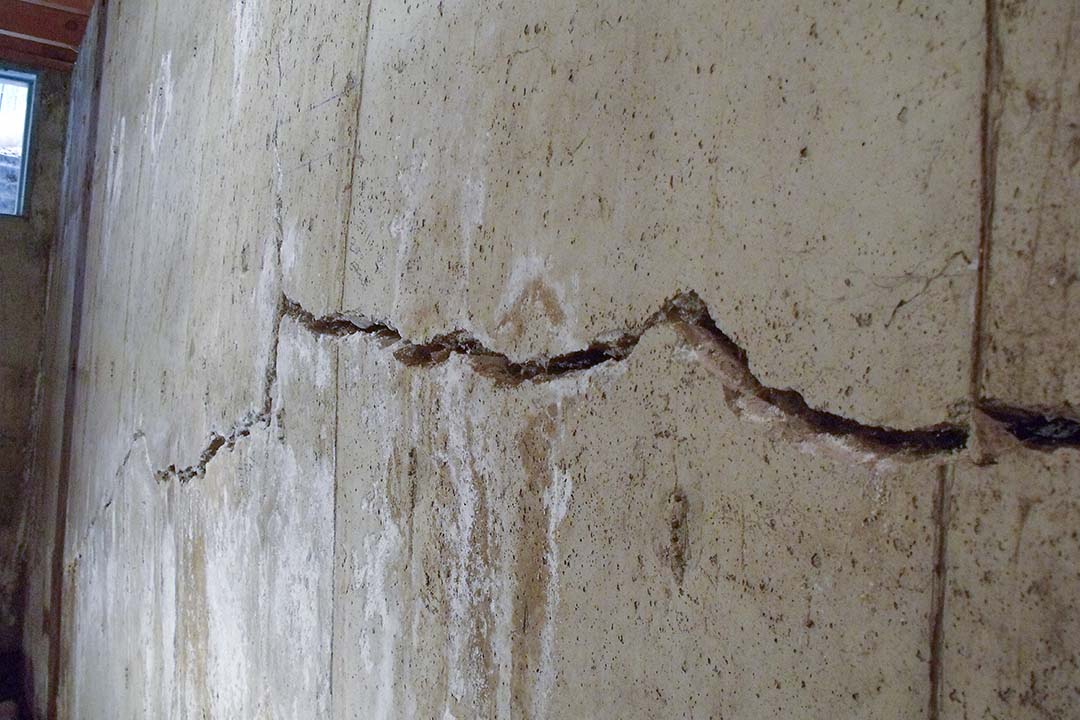
  • Structural Damage Progresses

    Without addressing the underlying cause, the movement generally gets worse. Bowing can worsen, walls may shift farther out of alignment, and structural damage or water intrusion can occur as the foundation keeps weakening.

Our Foundation Wall Repair & Stabilization Solutions

Foundation wall repair steadies cracked, bowing or leaning walls so they stop moving and don't deteriorate further. Our proven engineered solutions are specifically designed to stop structural movement and protect your home. Every home is different, so the right repair depends on the type of wall, the amount of movement and what's causing the damage. We offer proven foundation wall and basement wall repair solutions designed to fully stabilize your foundation and stop further movement. We select the appropriate repair system based on wall type, amount of movement, structural loading and future performance. After a thorough inspection, we recommend the best solution for your home.

How It Works

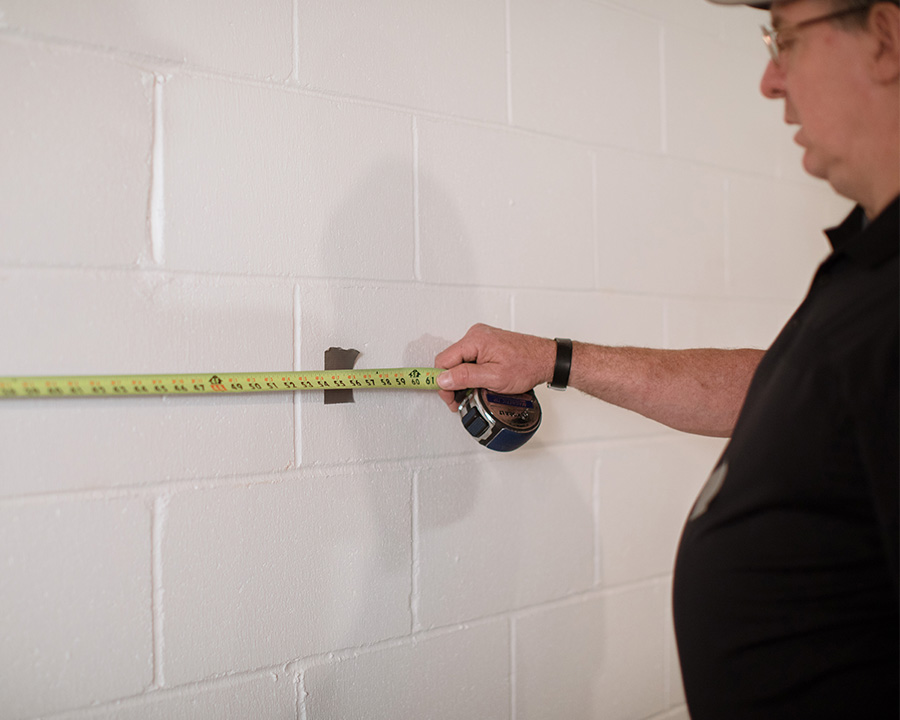
Our Foundation Wall Repair Process
Benefits

Why Local Homeowners Trust LRE Foundation Repair

Body Copy Specific to Each Dealer

What To Expect

Ready to get started?

Schedule a free estimate to start your repair journey with LRE.

Schedule your inspection

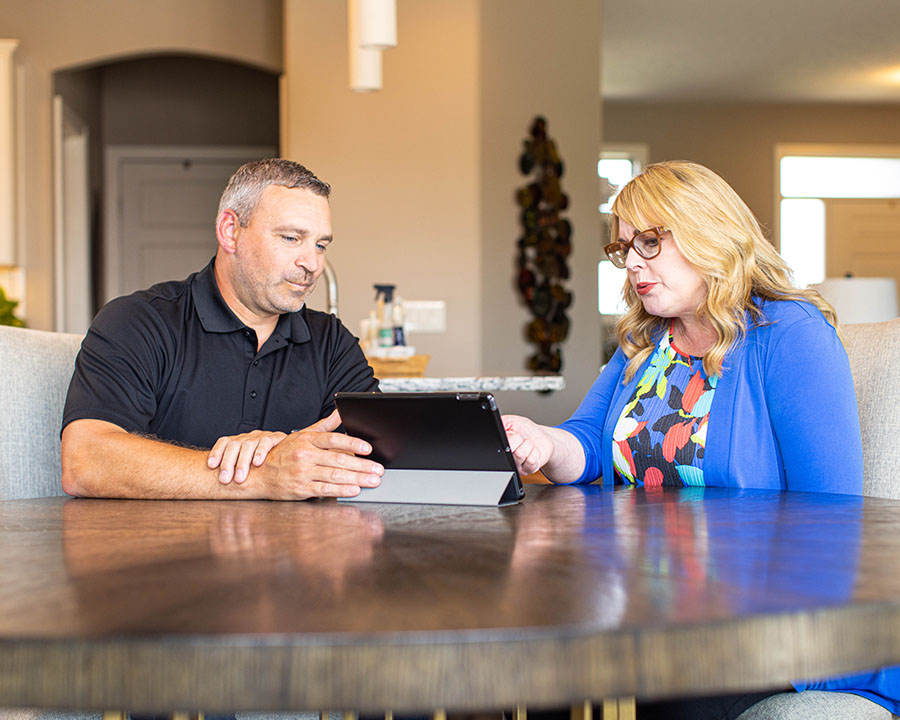
Fill out our form or give us a call to book your inspection. Share what you’ve noticed so we can send the right expert to your home.

Full home
inspection

An expert will inspect the problem area and surrounding conditions, including soil movement, drainage, structural integrity, and any related concerns.

Clear explanation
of findings

We’ll walk you through what we’re seeing in easy-to-understand language so you know the root cause of the issue, not just the symptoms.

Review recommendations

If repairs are needed, we’ll outline your options, pricing, and timeline so you can make the best decision for your home.

Schedule your free inspection—

It'll only take
a minute

Meet with a trusted expert, and get
clear answers about your home.

"*" indicates required fields

1Your Info
2Schedule Your Inspection
3Review & Submit

Customer Information

Don't just take our word for it

See what our customers have to say about our work.

Before & after photos

Check out before and after photos from some of our completed projects.
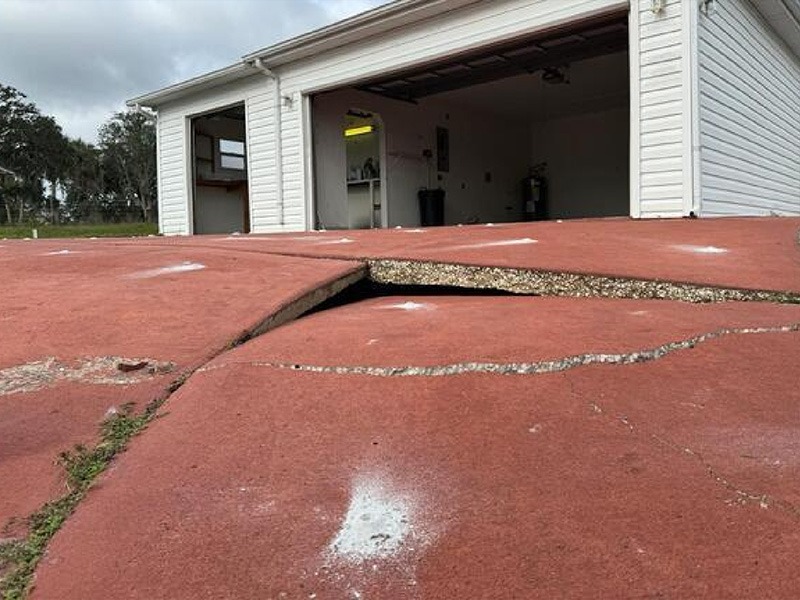
  • Concrete driveway repair in San Antonio, FL

    The LRE team utilized our PolyLevel Solution to not only bring the concrete slabs back to an even, safe level but also fill the void underneath and permanently stabilize the driveway.

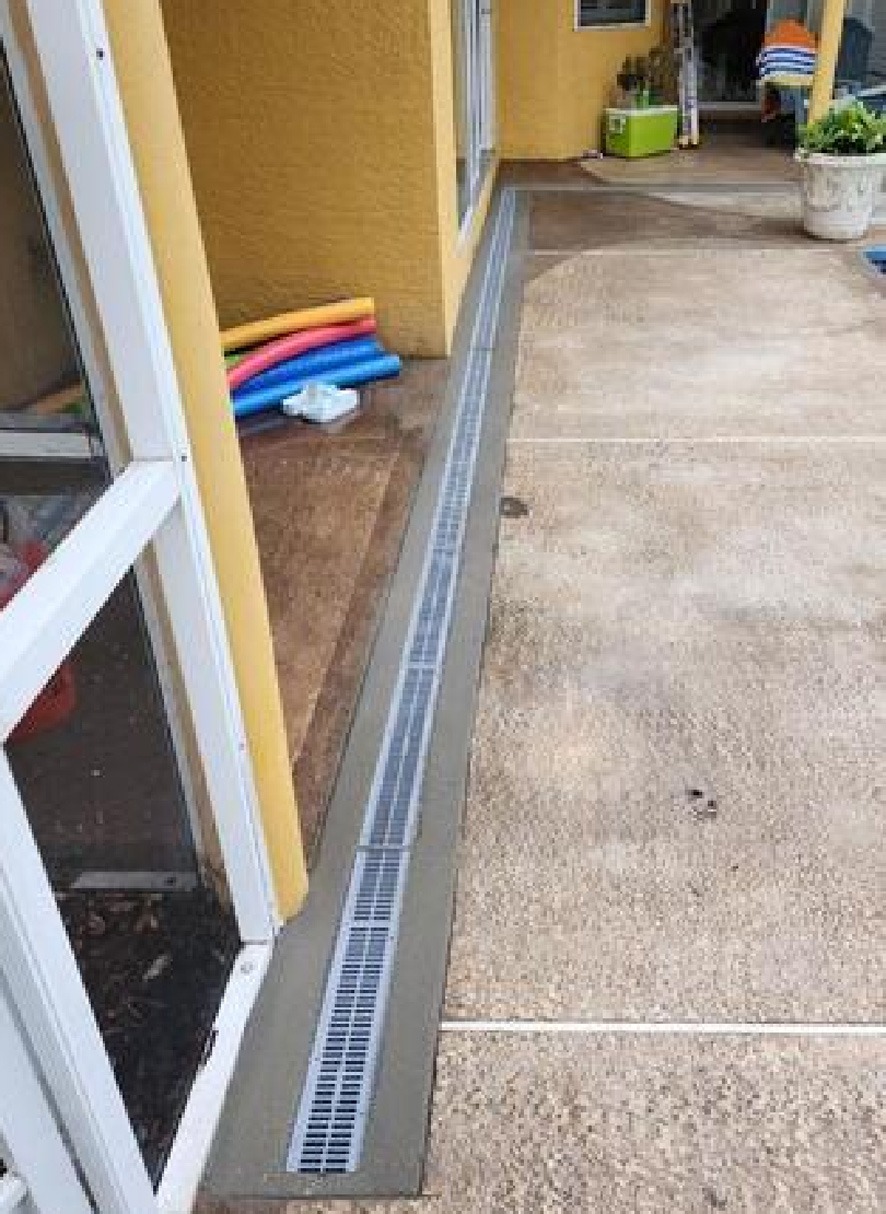
  • Channel drain solution in Seminole, FL

    The LRE team installed a 4″ channel drain within the pool deck’s concrete to collect rainwater and divert it away from the home through a subsurface drainage system.

  • Crawl space repair in Dunedin, FL

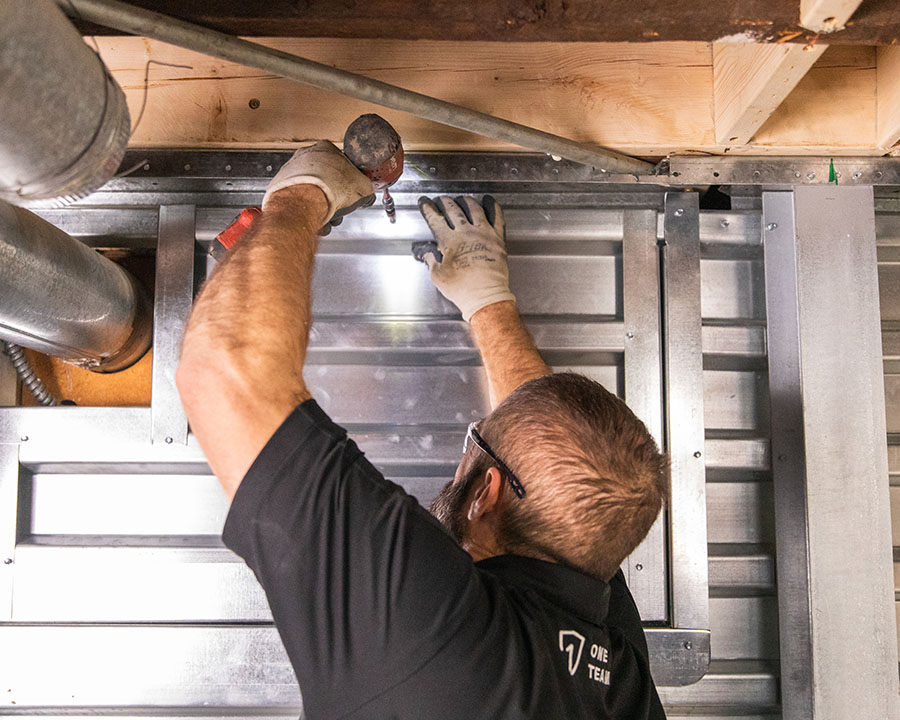
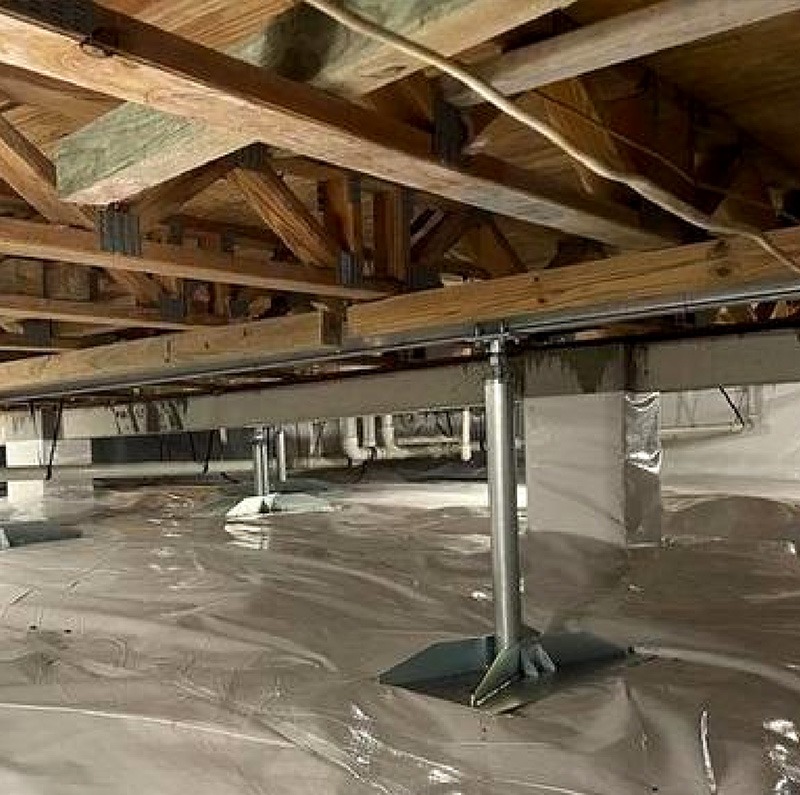
    To repair sagging floor issues, LRE used SmartJacks, made from galvanized steel, and our Crawlspace Encapsulation System to control moisture, air flow, and stabilize the structure.

Proudly Serving Florida

LRE Foundation Repair is the local expert for Foundation repair and concrete repair and more. We proudly service Orlando and all of Florida.

Frequently Asked Questions

How do you fix bowing basement walls?2026-09-25T11:24:50-05:00

The best way to fix bowing basement walls depends on how much the wall has moved and what’s causing the pressure. Minor movement may be stabilized with carbon fiber reinforcement, while significant bowing may require PowerBrace® beams, GeoLock® wall anchors, or EverBrace®. A professional inspection pinpoints which repair provides long-term stabilization.

How much does foundation wall repair cost?2026-09-25T11:24:35-05:00

The cost of foundation wall repair varies based on several factors, including the length of the affected wall, the amount of inward movement, accessibility, and which repair system is recommended. Because every home is different, we provide free inspections and written estimates rather than listing fixed pricing.

Can I finish my basement after wall repairs?2026-09-25T11:24:13-05:00

Yes. Most foundation wall repair systems are well suited to finished basements. CarbonArmor straps sit almost flush with the wall and can be covered with drywall, while PowerBrace beams extend only slightly from the wall and can typically be framed around during finishing or remodeling projects.

What are carbon fiber wall straps?2026-09-25T11:23:51-05:00

CarbonArmor® carbon fiber straps are high-strength reinforcing strips permanently bonded to the inside surface of the foundation wall using structural epoxy. They’re a good fit for walls in structurally sound condition with less than about two inches of inward movement that need reinforcement to prevent additional bowing or cracking.

How does the PowerBrace® system work?2026-09-25T11:23:25-05:00

PowerBrace uses heavy-duty galvanized steel beams installed against the inside of the basement wall. Each beam is anchored to the concrete floor and floor framing above to immediately stabilize the wall. As conditions allow, the system can often be tightened during future service visits to slowly move the wall back toward its original position.

How do I know if my foundation wall is bowing?2026-10-01T10:10:33-05:00

One simple way to check is by holding a long level vertically against the wall. If the top touches the wall while the bottom pulls away, the wall is probably bowing inward, a common pattern caused by outside soil pressure. Even minimally bowed basement walls should be professionally inspected before it progresses into more severe structural movement.

Related pages

Service Areas

LRE Foundation Repair proudly serves Orlando and all of Florida.

Resources

Access valuable resources to help keep your home healthy and your family safe.

The LRE Promise

At LRE, we pride ourselves on providing permanent solutions, and stand behind our work with industry-leading, fully transferable warranties and guarantees.

Schedule your free inspection today

Don’t let unanswered questions about your
home worry you any longer.
Go to Top