Symptoms
When Concrete Cracks Need Professional Attention
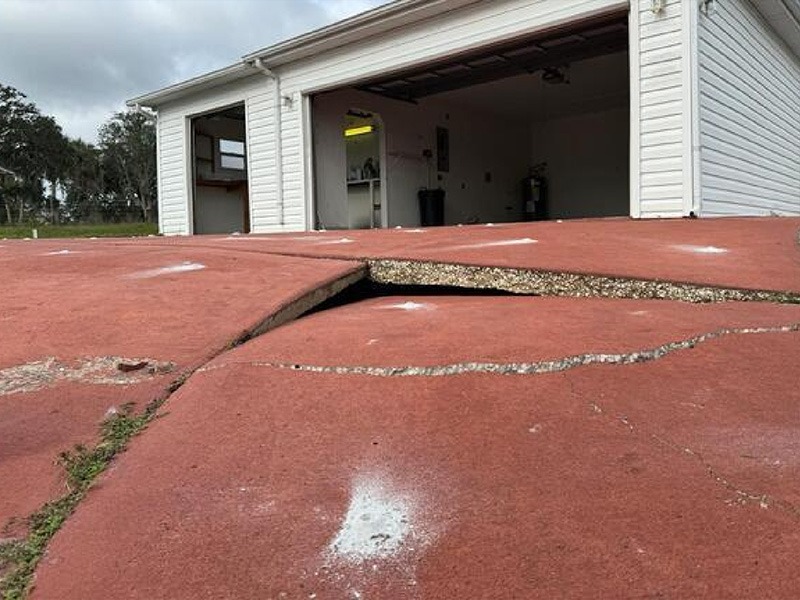
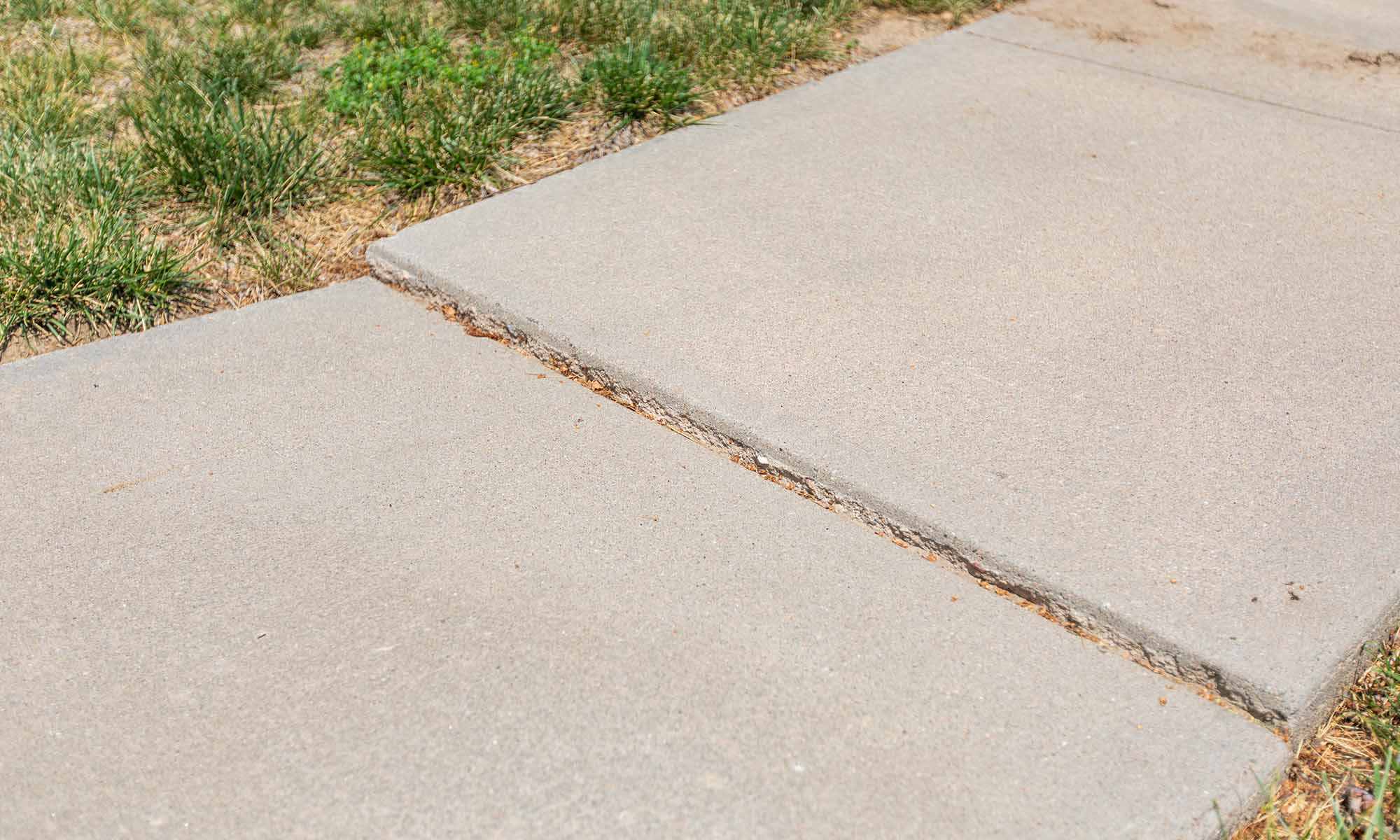
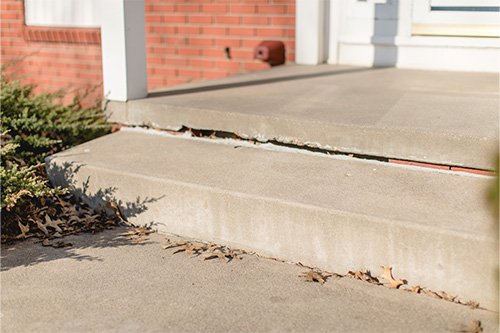
Concrete cracks take many forms, from thin hairline cracks to widening gaps between slabs. Although some are simply a product of normal aging, the following signs often mean the concrete keeps moving because the supporting soil has shifted or settled.


Causes
What Causes Concrete Cracks & Gaps to Form?
Small cracks form in concrete naturally over time, but they don't all share the same cause. Some are a normal part of the curing process or years of exposure to the elements. Others form because the soil beneath the slab has shifted, settled or eroded, allowing the concrete to move. Identifying what's causing the damage is the key to choosing the right repair. While small surface cracks may be harmless, widening cracks, growing gaps or uneven concrete often point to underlying problems that should be professionally evaluated.


What Happens When Concrete Cracks Are Ignored
Stage 1
Water Works Its Way In
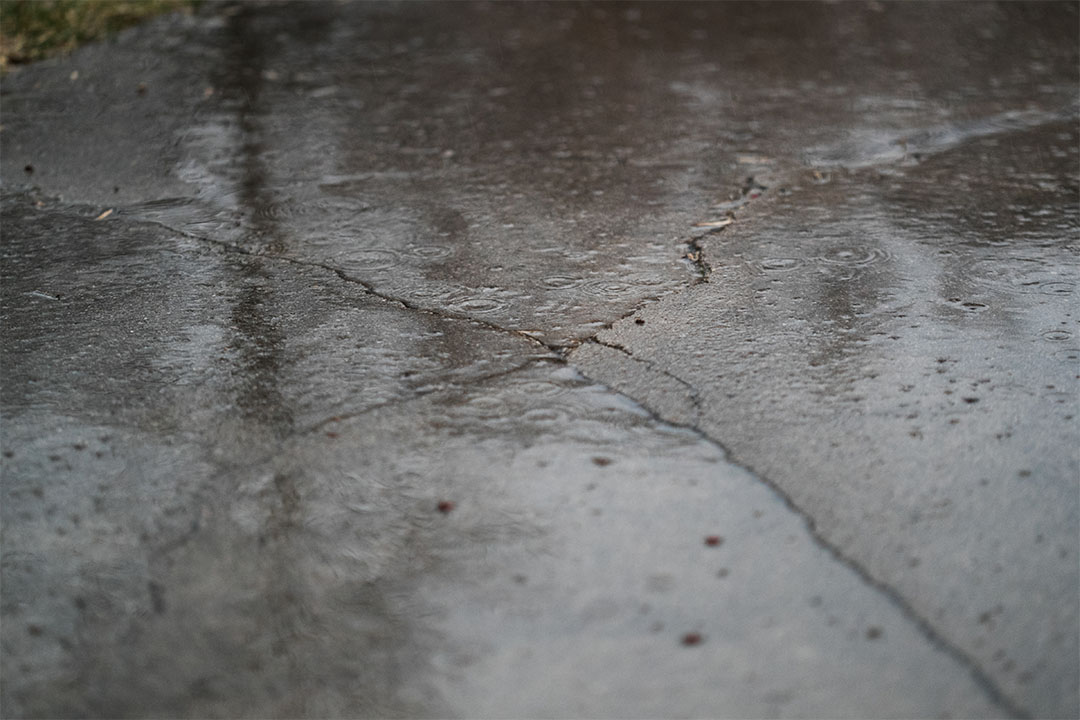
Small cracks may seem cosmetic at first, but they create pathways for water to reach the soil beneath the slab. As moisture washes away supporting soil or causes it to expand and contract, the concrete can continue to shift.

Stage 2
Uneven Slabs & Trip Hazards Develop
When the supporting soil continues to settle or erode, sections of concrete can shift out of level or separate from one another. What started as one small crack can create a trip hazard, collect standing water and make driveways, sidewalks, patios or porches less safe to use.
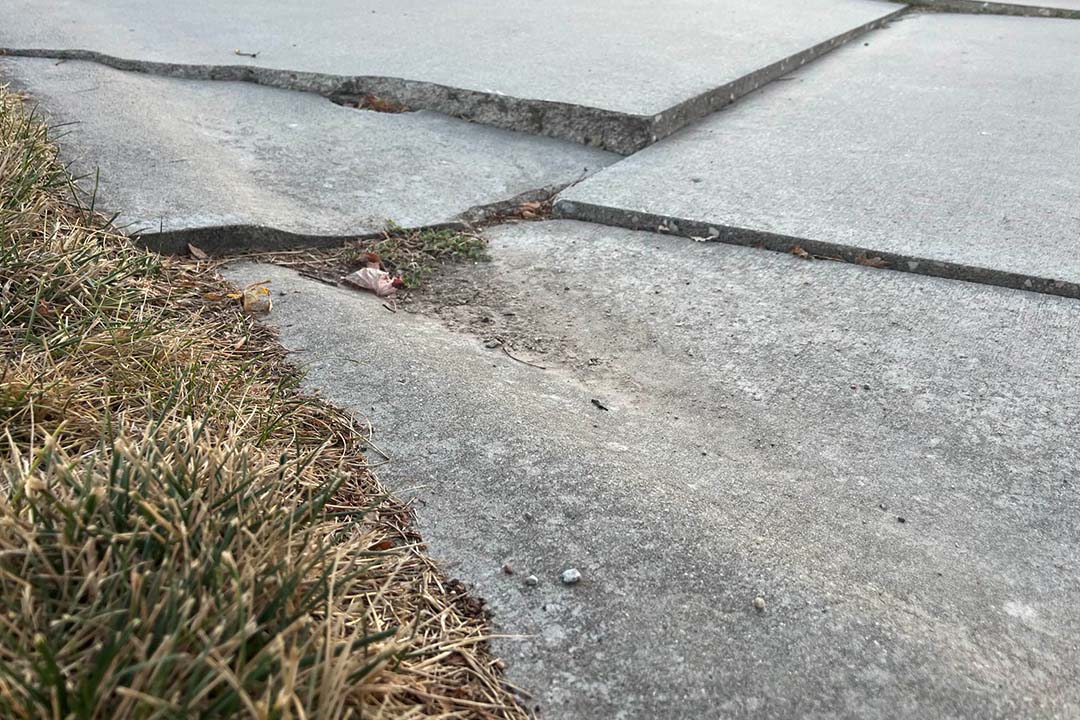
Stage 3
Repairs Become More Extensive
Ignoring ongoing slab movement can result in larger cracks, continued settlement and more expensive repairs. Addressing the problem early can often stabilize and restore the concrete before more extensive damage—or even replacement—becomes necessary.
How LRE Foundation Repair Fixes Cracked Concrete
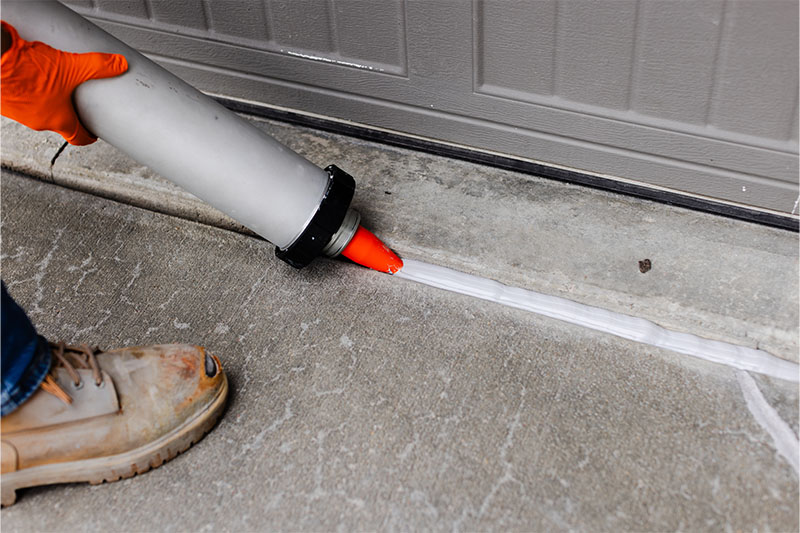
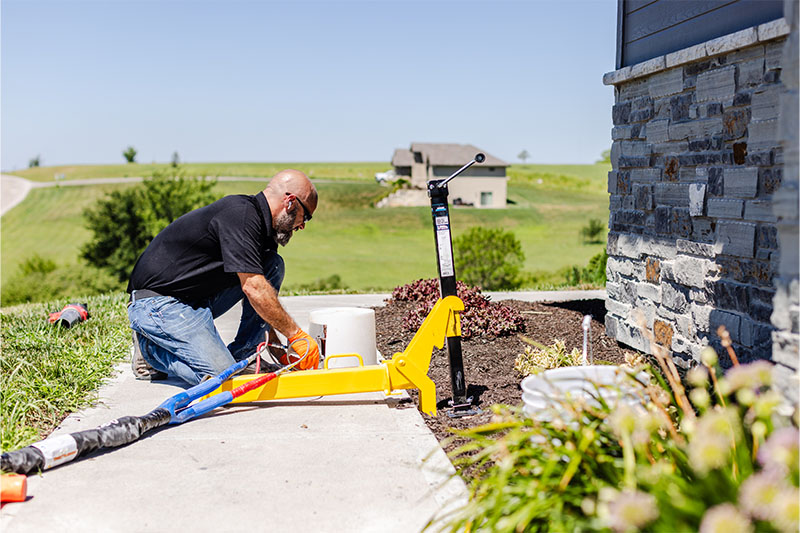
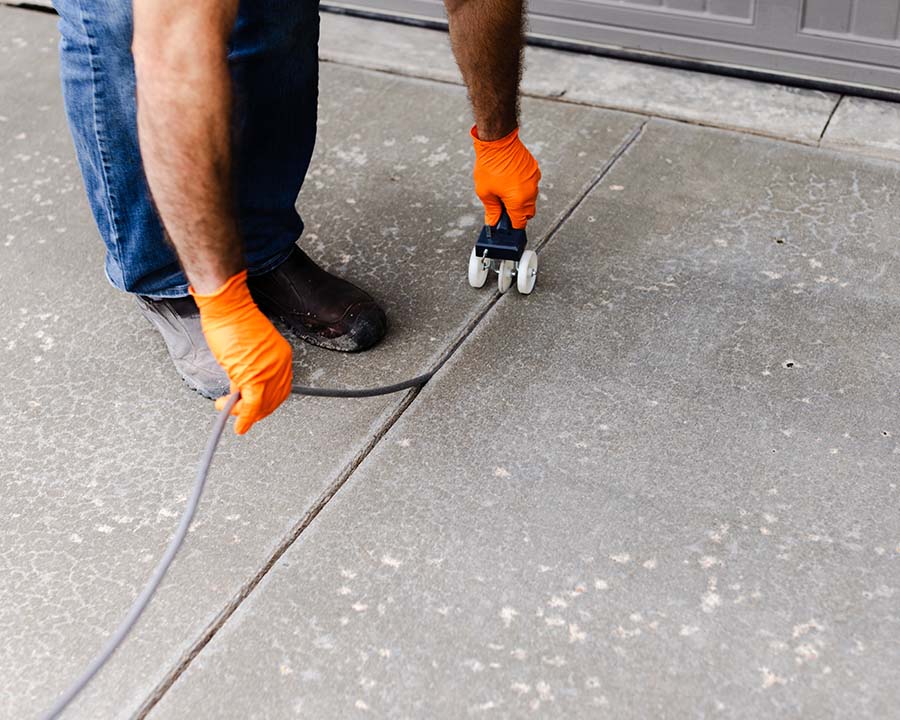
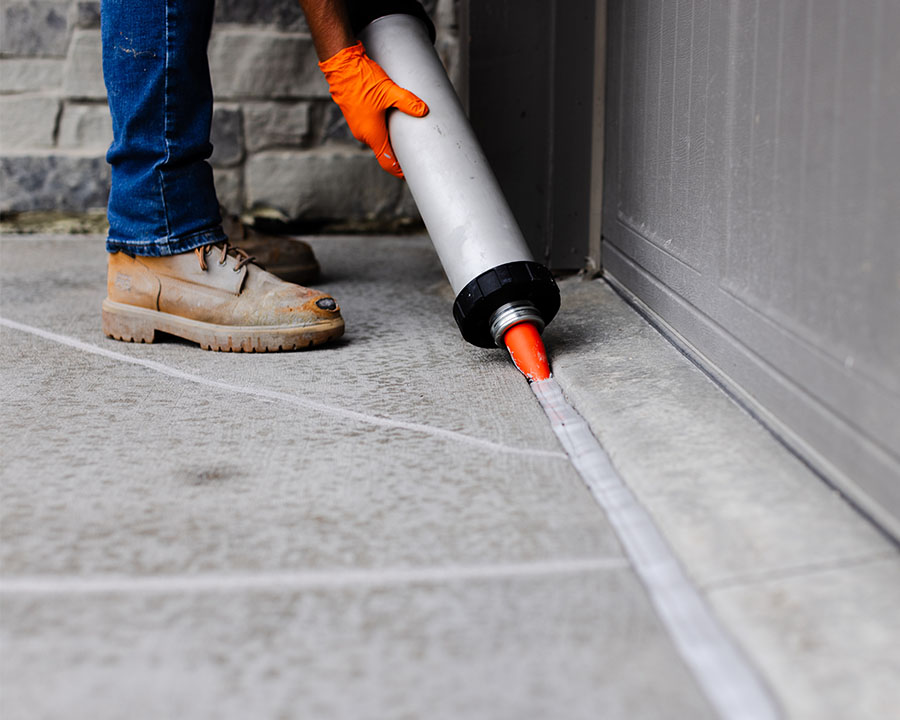
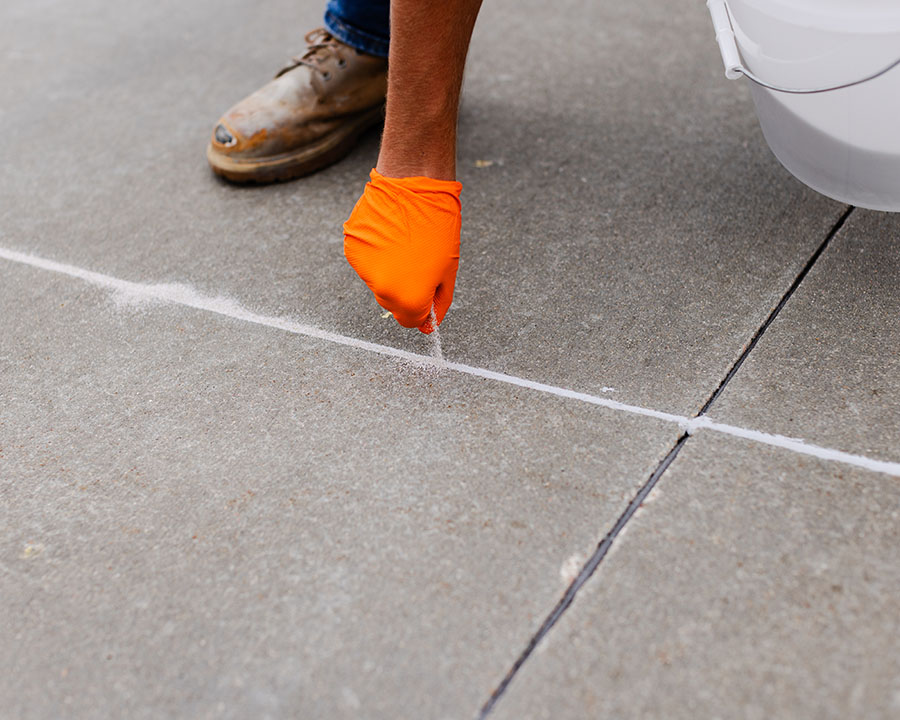
Not every concrete crack requires the same repair. In a free inspection, LRE Foundation Repair determines what's driving the damage before recommending a solution. If the slab has settled, PolyLevel® is used first to lift and stabilize the concrete. Once the slab is fully supported, NexusPro® seals the cracks and joints to help prevent water intrusion and protect the repair.
How It Works
LRE Foundation Repair's Process for Repairing Concrete


What To Expect
Ready to get started?
Schedule a free estimate to start your repair journey with LRE.

Schedule your inspection
Fill out our form or give us a call to book your inspection. Share what you’ve noticed so we can send the right expert to your home.

Full home
inspection
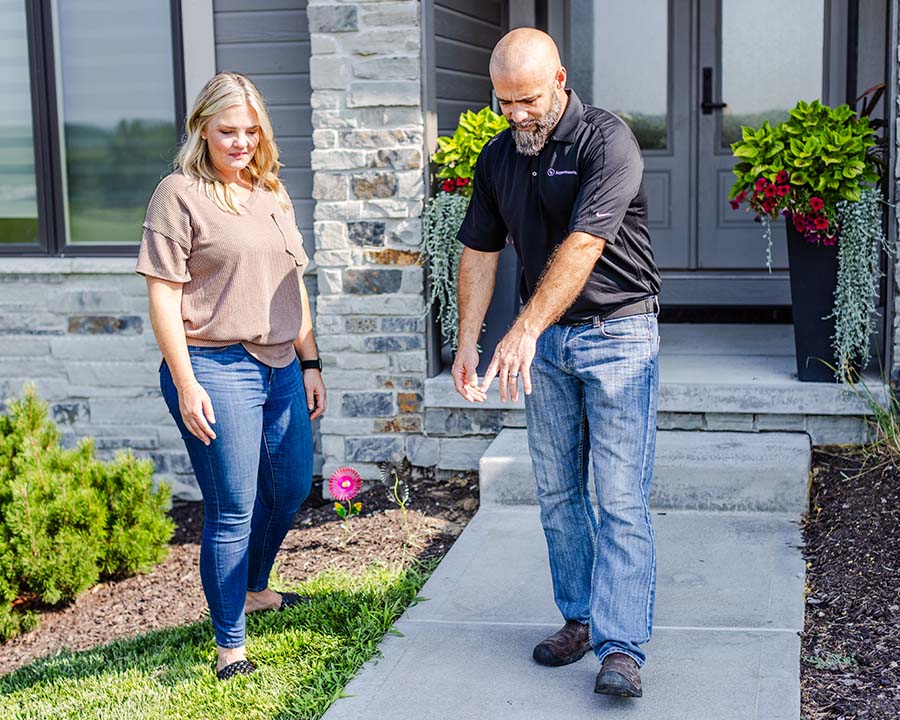
An expert will inspect the problem area and surrounding conditions, including soil movement, drainage, structural integrity, and any related concerns.

Clear explanation
of findings
We’ll walk you through what we’re seeing in easy-to-understand language so you know the root cause of the issue, not just the symptoms.

Review recommendations
If repairs are needed, we’ll outline your options, pricing, and timeline so you can make the best decision for your home.
Schedule your free inspection—
It'll only take
a minute
Meet with a trusted expert, and get
clear answers about your home.