
Understanding Crawl Space Humidity in Florida
How damp, humid crawl space environments affect your home
No ifs, ands, or buts: crawl spaces are filthy, and believe it or not, they were pretty much built to be that way-just a side-effect of the way homes were constructed in the past. If that creepy gap beneath the first floor of your home is so scary you don't even want to peek your head underneath to see what's happening, then maybe it's time you called LRE Foundation Repair for a free crawl space humidity and mold remediation inspection for your Tampa home.
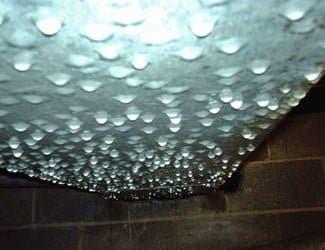
How crawl space humidity begins
Humidity in the crawl space of your home can lead to serious structural problems. Mold will begin to grow, and the wood beams that support your floor will begin to rot. As the floor beams rot, the floor becomes uneven and may even sag, and if left unattended, sections of your floor could possibly cave in.
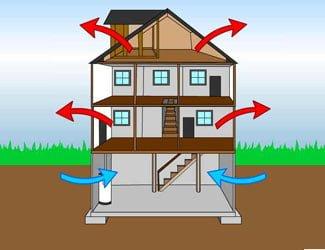
Here’s the key point: If the air outside is wet or humid, then your crawl space vents are bringing in moisture. You may even need a mold remediation service on your home in Tampa if the humidity damage is severe.
Mold needs three important things to survive:
- Warmth
- Moisture
- Food
Of these, the easiest to control in your home is moisture.
Controlling crawl space humidity
The good news? The solution to controlling humidity in your crawl space is easy, and the experts at LRE Foundation Repair can usually solve your humidity problem in less than a day. Our Tampa crawl space humidity repair team will start by sealing crawl space vents that draw outside air, then we’ll install a crawl space vapor barrier on the walls and floors. Finally, we’ll use a dehumidifier to dry out the crawl space.
If you notice indications of crawl space humidity, contact LRE Foundation Repair in Tampa and schedule your free crawl space humidity inspection. We’ll show you why we’re the best in foundation and crawl space repair company in the Tampa Bay area and throughout Central Florida.

Schedule a free inspection to reduce crawl space humidity
At LRE Foundation Repair, crawl space repair is our specialty, and we’d like to show you why we’re the best. To help you decide which repairs are best for you, we offer free crawl space repair inspections to homeowners in our area.
We serve Florida, including Lakeland, Sarasota, Clearwater, Bradenton, Kissimmee, Daytona Beach, Ocala and many areas nearby.
To schedule your free inspection, contact us today!
What To Expect
Ready to get started?
Schedule a free estimate to start your repair journey with LRE.

Schedule your inspection
Fill out our form or give us a call to book your inspection. Share what you’ve noticed so we can send the right expert to your home.

Full home
inspection
An expert will inspect the problem area and surrounding conditions, including soil movement, drainage, structural integrity, and any related concerns.

Clear explanation
of findings
We’ll walk you through what we’re seeing in easy-to-understand language so you know the root cause of the issue, not just the symptoms.

Review recommendations
If repairs are needed, we’ll outline your options, pricing, and timeline so you can make the best decision for your home.
Schedule your free inspection—
It'll only take
a minute
Meet with a trusted expert, and get
clear answers about your home.
"*" indicates required fields
Don't just take our word for it
See what our customers have to say about our work.
When David from High Springs noticed the floors of his historic home starting to sag, he knew it was time to call LRE. 🏠 Our team at LRE Foundation Repair installed the SmartJack System — a durable, adjustable support solution designed to lift, level, and permanently stabilize crawl space floor joists.
Here’s why homeowners trust LRE’s SmartJack system: ✅ Galvanized steel supports that resist corrosion and won’t settle over time ✅ Restores uneven floors to their proper level ✅ Provides permanent stabilization for long-term protection Now, David’s home is stronger, safer, and ready to stand the test of time. Watch to see how LRE helped preserve the integrity of his historic home — and hear what David had to say about his experience!
David V. | High Springs, FL
Norbert’s driveway, walkway, and front porch in Gainesville, FL had settled over time, creating uneven surfaces and serious tripping hazards that had even caused previous injuries. After contacting LRE Foundation Repair, our team lifted and leveled the slabs with PolyLevel and sealed the cracks with NexusPro for long-lasting protection. Norbert was very pleased with the results and our team’s professionalism.
We’re grateful he shared his experience and helped other homeowners learn about reliable, long-term concrete repair solutions
Norbert M. | Gainesville, FL
When Toby bought his new home in Beverly Hills, Florida, he noticed water pooling along the side of his driveway and in front of his garage, caused by the slope directing water toward the house. Our team at LRE designed and installed a custom exterior drainage system to fix the problem for good. We added an enhanced channel drain in front of the garage, connected it to an underground drainage pipe, and tied in the home’s downspouts to safely redirect water away from the foundation.
Now, Toby’s property stays dry and protected — and he couldn’t be happier with the results!
Toby A. | Beverly Hills, FL
Scott and Carrie from Belleview were preparing to sell their home, but noticed that the cracks in their concrete pool deck were discouraging potential buyers. That’s when they reached out to us at LRE for help.
After our Customer Care team scheduled an appointment with one of our expert Design Specialists, we inspected the pool deck and developed a repair plan using our Two-Part Concrete Protection System — combining PolyLevel to lift and level the slabs, and NexusPro to seal the cracks and prevent future damage.
Scott and Carrie were thrilled with the transformation and the professionalism of our team — and they’re excited to share their wonderful experience! 🎥 Watch their story and see how LRE helped restore their pool deck and peace of mind!
Scott & Carrie D. | Belleview, FL
Christine and Scott in Leesburg, FL, noticed significant settlement inside and outside their home, with large cracks in their walls and tile flooring. Seeking a permanent solution, they turned to LRE Foundation Repair. Our team installed helical piers, interior slab piers, and PolyLevel to fully stabilize their home. Now, they have peace of mind knowing their home’s foundation is finally permanently secure.
Christine & Scott R. | Leesburg, FL
After noticing exterior wall cracks and doors that wouldn’t close properly, Mary knew her home needed help. Previous repairs had failed, leaving her without a lasting solution or a company to stand behind the work. In this testimonial, Mary shares how LRE Foundation Repair permanently stabilized her home and restored her peace of mind with proven solutions, lifetime transferable warranties, and double-backed warranty protection.
Mary Anne S. | Brooksville, FL
When Frank in Spring Hill, FL, noticed cracks in his walls, he turned to LRE Foundation Repair. Our Design Specialist confirmed foundation settlement and designed a plan using helical piers and a new exterior drainage system to stabilize the home and redirect water. With the repairs complete, Frank was thrilled with the results. Watch the video to see how LRE restored his home and peace of mind.
Frank N. | Spring Hill, FL
Patrick from New Port Richey noticed water entering through his home’s slab foundation during last year’s hurricanes and contacted LRE Foundation Repair for help. Our team installed a custom exterior drainage system, including a French drain to collect and redirect rainwater to a relief drain away from the home. We also connected his downspouts directly into the subsurface system to stop water from pooling near the foundation. The result? A dry, protected home — and one very happy homeowner.
🙌 Watch as Patrick shares his experience and see how LRE Foundation Repair helped protect his home from future flooding! 🌧️🏠
Patrick G. | New Port Richey, FL
When Terry purchased his new home in Tarpon Springs, his home inspector discovered a serious issue — the floor joists were being supported by makeshift car jacks! 😬 Looking for a long-term solution, Terry reached out to LRE Foundation Repair. Our team installed the SmartJack® System, providing strong, durable, and permanent support for the home’s floors.
Terry was so impressed with the results that he shared his incredible experience with us! 🙌 🎥 Watch his story to see how we helped restore lasting stability and peace of mind.
Terry C. | Tarpon Springs, FL
When Carin and Jon from Tampa, Florida, noticed buckling in the wood floors of their 1950s historic home, they suspected something was wrong beneath the surface. That’s when they called us at LRE Foundation Repair for a complimentary crawl space inspection. In this customer testimonial, hear directly from Carin and Jon as they share their experience—from the first inspection to the final results. Our expert Design Specialist identified major moisture issues in their crawl space, and our team got to work installing the CleanSpace™ Crawl Space Encapsulation System to create a dry, healthy environment under their home. Watch their story to see how we helped protect their home for years to come!
Carin & Jon B. | Tampa, FL
Before & after photos
Check out before and after photos from some of our completed projects.


Concrete driveway repair in San Antonio, FL
The LRE team utilized our PolyLevel Solution to not only bring the concrete slabs back to an even, safe level but also fill the void underneath and permanently stabilize the driveway.

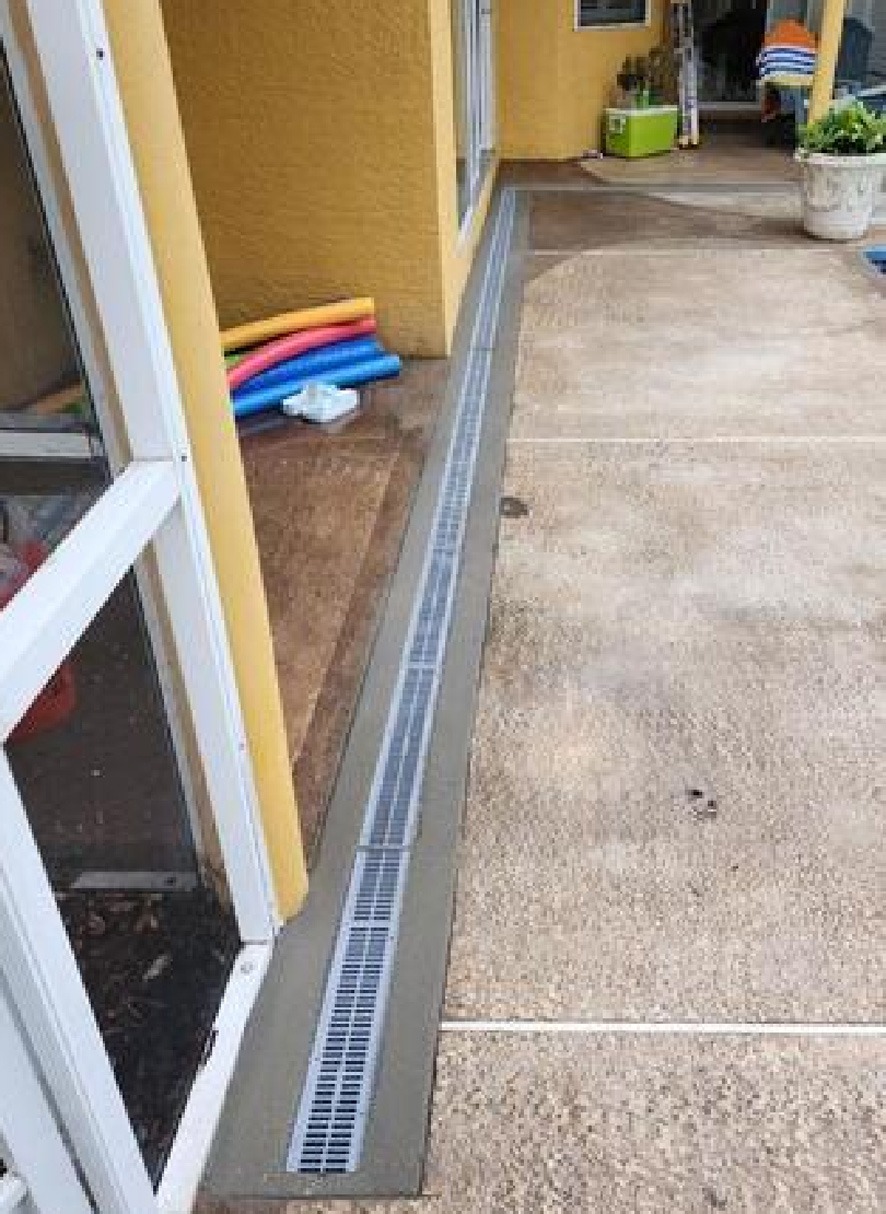
Channel drain solution in Seminole, FL
The LRE team installed a 4″ channel drain within the pool deck’s concrete to collect rainwater and divert it away from the home through a subsurface drainage system.

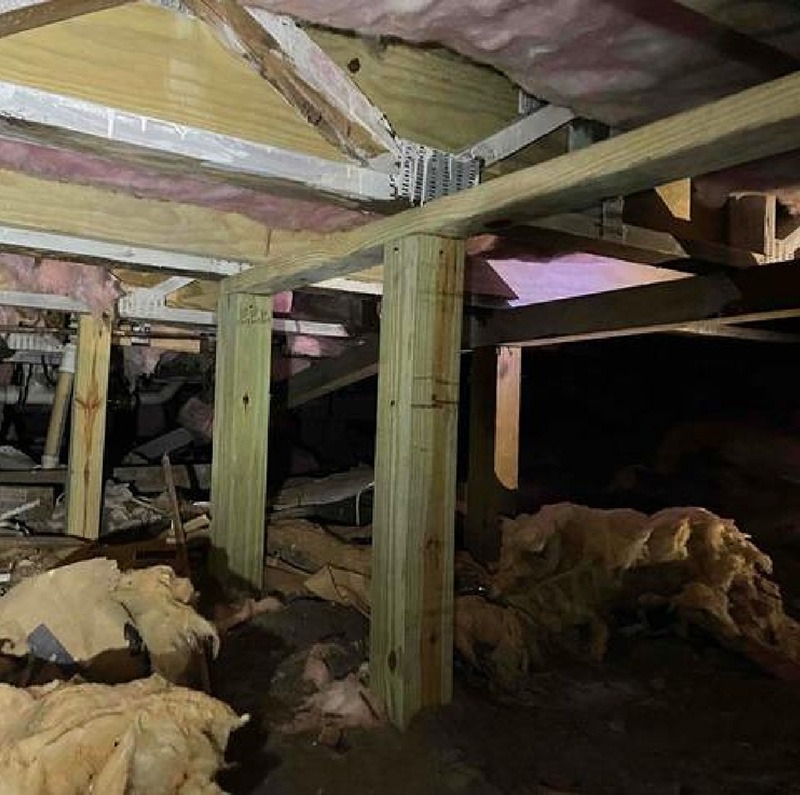
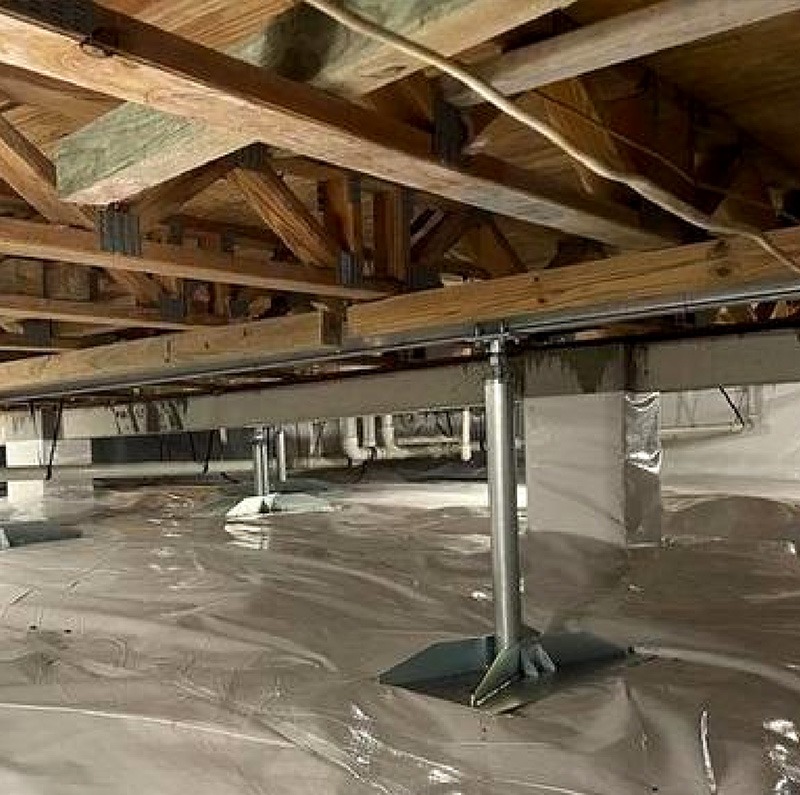
Crawl space repair in Dunedin, FL
To repair sagging floor issues, LRE used SmartJacks, made from galvanized steel, and our Crawlspace Encapsulation System to control moisture, air flow, and stabilize the structure.


Proudly Serving Florida
LRE Foundation Repair is the local expert for Foundation repair and concrete repair and more. We proudly service Orlando and all of Florida.

Coverage depends on your policy and what caused the moisture or water damage. Mold associated with a sudden, covered water-loss event may be treated differently from mold related to ongoing seepage, humidity, flooding or maintenance issues. Review your policy and ask your insurance provider whether the specific cause of moisture in your basement is covered.
No. An air purifier catches airborne particles like mold spores, dust and allergens, while a dehumidifier removes excess moisture from the air. Homes with high humidity or basement moisture may benefit from running both systems together to improve indoor air quality.
Most filter stages are designed for annual replacement under normal operating conditions. Enrolling in our annual maintenance program ensures fresh filters are installed on schedule so your unit always runs at peak performance.
Yes, in-duct air purifier models connect directly to your whole-house air purifier HVAC setup. For homes without compatible ductwork, standalone basement units deliver the same high-efficiency purification.
Yes. The multi-stage filter system includes a dedicated allergy filter stage to catch dust, pollen, pet dander, and dust mite debris before air recirculates through your living spaces.
Yes, a HEPA air purifier effectively traps airborne mold spores to prevent them from circulating. However, it does not remove existing mold colonies or fix leaks; combining filtration with dedicated mold control and waterproofing addresses the root cause.
Whole-house air purifier costs differ based on the size of your home, system requirements and installation needs. LRE Foundation Repair provides free on-site estimates to assess your home and provide an accurate, upfront quote.
Yes. A whole-house air purifier can provide continuous filtration across a larger area than a portable single-room unit, helping reduce airborne particles, allergens and odors throughout the space it serves.
The cost is based on two separate needs: addressing existing mold and addressing the moisture problem behind it. LRE Foundation Repair offers estimates for basement waterproofing and moisture control. If professional mold remediation is needed, that work is a separate project and should be done by an appropriate remediation contractor.
Air can rise from the basement into the living areas above, taking moisture and airborne particles along with it. That means basement conditions can affect indoor air quality throughout the home. Correcting the underlying basement moisture comes first, with air filtration providing an additional layer of control when appropriate.
A dehumidifier can help control the moisture that mold needs to grow when high humidity is the problem. It cannot stop groundwater seepage, plumbing leaks or other sources of liquid water. That’s why LRE Foundation Repair identifies the moisture source before recommending dehumidification, basement waterproofing or a mix of solutions.
Mold remediation deals with existing mold contamination. Mold control addresses the moisture conditions that allow mold to grow. LRE Foundation Repair offers basement waterproofing and moisture-control solutions; we are not a licensed mold remediation or abatement contractor.
Color alone won’t reveal what kind of mold is present or whether it is more harmful. Mold growth that is white, gray, green, or black can develop where conditions are damp enough to support it. The EPA generally does not recommend sampling as a routine step when mold can be seen. For moisture control, the priority is figuring out why the area is damp and fixing that source.
It’s not possible to determine the potential health effects of mold from its color or appearance alone, and individuals can respond differently to exposure. If you’re worried about potential health effects, talk with a healthcare professional. Where waterproofing is concerned, visible mold is also a key sign that your basement may have an ongoing moisture problem.
Basement mold develops when excess moisture persists. Common sources include high humidity and condensation, groundwater seepage, plumbing leaks and moisture moving through foundation walls and floors. The right mold control approach depends on determining which moisture source, or combination of sources, is affecting your basement.
A quality basement dehumidifier can typically last 8–12 years with proper care. Maintenance typically includes checking or replacing the filter and keeping the drain line clean. A system check about every six months is a good rule of thumb; always follow the manufacturer’s maintenance recommendations.
Cost depends on factors such as dehumidifier capacity, drainage requirements and whether ducting is needed. We provide a free inspection and estimate so you’ll know what your basement needs and what it will cost.
Often not. Portable units can underperform in cool, damp basements, especially if they’re undersized. ENERGY STAR notes that frost can form on dehumidifier coils below about 65°F, reducing performance. Portable units may also require frequent bucket emptying. A professionally sized basement dehumidifier can deliver continuous drainage and steadier humidity control.
It should help. Musty odors are often associated with excess moisture and microbial growth. Bringing down humidity makes the basement less welcoming to that growth and can help correct the conditions behind the odor. A dehumidifier does not remove existing mold or replace proper mold remediation.
Target 45–50% relative humidity (RH). The EPA recommends keeping indoor humidity below 60% and ideally between 30% and 50% to help prevent moisture-related problems.
It depends on the basement’s size, ceiling height, temperature and moisture level. ENERGY STAR recommends roughly 30–50+ pints per day for wet spaces, depending on square footage. We’ll assess your basement and recommend the right capacity during your free inspection.
It’s possible. Waterproofing manages liquid water, but moisture can still enter through concrete as vapor and push humidity higher. A dehumidifier controls that airborne moisture to help keep your basement dry and comfortable.
No. A wall vapor barrier is one part of a basement moisture-management system. It manages moisture at the foundation wall, while an interior drainage system intercepts seepage and a sump pump clears collected water. Some basements also need dehumidification to control moisture in the air.
Yes. Actually, foundation moisture should be addressed before framing, insulation, drywall and other finishes cover the basement walls. Completing the appropriate waterproofing and moisture-control system first helps protect the finished space from underlying moisture problems. Learn what else to consider before you finish your basement.
Basement vapor barrier installation costs vary based on the amount of wall being covered, foundation type and condition, accessibility, preparation and the system being installed. Adding interior drainage or other waterproofing work will also affect the total cost. LRE Foundation Repair provides a free inspection and estimate based on the conditions and recommended scope for your basement.
No single vapor barrier is best for every basement. Material thickness and reinforcement can affect durability, but installation and system design matter too. The appropriate wall liner should be selected based on your foundation type, moisture conditions, durability needs and how the barrier will tie into the rest of the basement waterproofing system.
Yes, if an impermeable barrier is installed in the wrong wall assembly. Sheet poly on the interior side of air-permeable insulation can prevent a below-grade framed wall from drying inward. A waterproofing wall liner is different: it sits against the foundation wall and can act as a drainage plane, routing seepage into the interior drainage system rather than trapping it within a framed cavity.
Homeowners frequently use the terms interchangeably. Technically, a vapor barrier limits water vapor moving through a material, while a basement moisture barrier may also manage liquid seepage. A wall liner can perform both functions by limiting vapor movement and channeling seepage toward an interior drainage system.
Not every basement needs a wall vapor barrier. It may be the right solution when moisture is coming through foundation walls and causing lingering dampness, condensation or seepage. The right approach depends on the source of the moisture and whether the basement also needs drainage, a sump pump or humidity control.
Yes, in most basement waterproofing applications, a sump pump should be paired with a perimeter drainage system. The drainage system captures groundwater around the basement and directs it to the sump basin, while the sump pump pumps that water out of the home. Without a proper drainage system, water elsewhere around the basement perimeter may never reach the pump.
Yes. Crawl space sump pumps are designed to collect and pump out groundwater beneath the home. They’re generally combined with crawl space drainage and encapsulation so the system addresses both standing water and moisture. This helps deliver a drier environment and protects floor joists, insulation and other materials from extended moisture exposure.
The main difference is that a primary sump pump manages everyday groundwater, while a backup sump pump provides a second line of protection if the primary pump loses power, fails or can’t keep up. Together, they deliver more complete protection than either pump alone.
There isn’t one replacement age for every sump pump. Lifespan depends on pump quality, how much it cycles, the amount of water it handles and how well it’s maintained. If your pump runs nonstop, makes odd noises, struggles to keep up with water or doesn’t activate reliably, it should be inspected before it fails outright.
Yes, a battery backup is highly recommended if your basement relies on a sump pump to stay dry. Severe storms can bring both heavy groundwater and power outages, the exact time you need your pump most. A battery backup automatically takes over if the primary pump loses power or falls behind on incoming water.
A sump pump works by automatically pumping out groundwater collected in a sump basin and carrying it safely away from your foundation. Water from around or beneath the foundation is usually directed into the basin through a basement drainage system. As the water rises, a float switch activates the pump. The pump pushes the water through a discharge line and away from the foundation, then shuts off once the water falls to a safe level.
Sump pump installation costs vary based on the system you choose, whether an existing sump basin is present, discharge requirements, battery backup and whether drainage must be added. National estimates often range from about $500 to $4,000, with an average of roughly $1,400. For an accurate local quote, LRE Foundation Repair provides a free inspection and written estimate.
The timeline depends on the solutions your basement needs and the scope of the installation. Some projects can be completed in a short time, while more extensive work may take longer. During your inspection, LRE Foundation Repair can walk you through the recommended work and help you understand when it’s appropriate to move forward with your basement finishing project.
Basement waterproofing can help control water and excess moisture, two conditions that support mold growth. But no solution can guarantee that mold will never develop. Correcting leaks, seepage and humidity before finishing can help create a drier environment and reduce the risk of moisture-related problems behind finished walls and floors.
It depends on your basement and where the water or moisture is coming from. A waterproofing system may bring together an interior drainage system, sump pump, vapor barrier, foundation crack repair, dehumidifier, mold control or other solutions. LRE Foundation Repair can inspect your basement and recommend the right combination for your home.
The cost to waterproof a basement in Tampa Bay, Orlando, Miami and Largo depends on where the water is coming from, basement size, existing conditions and the solutions needed. A targeted crack repair will differ substantially from a drainage and sump pump installation. LRE Foundation Repair provides free inspections and estimates so homeowners can see the recommended solution and cost before moving forward.
Yes, waterproofing a finished basement can be costlier and more disruptive in some cases. Depending on the waterproofing work needed, contractors may have to remove drywall, flooring, trim or other finished materials to access the foundation and install a solution. You may then have the added expense of replacing those finishes. Taking care of waterproofing first can help avoid this added cost and disruption.
You should address any existing water or moisture problems before finishing your basement, but not every basement needs the same waterproofing solutions. An inspection can identify leaks, drainage issues, high humidity, cracks or other concerns while the foundation walls and floor are still easy to reach.
A dehumidifier can improve basement air quality when excess humidity is the problem, but it won’t stop active water intrusion. If high humidity is caused by ongoing seepage, foundation leaks or groundwater, the source of the moisture may also need to be corrected. A professional inspection can help determine whether dehumidification, waterproofing or a mix of solutions is the right approach.
The EPA recommends that all homes be tested for radon. Radon is a naturally occurring radioactive gas that can seep in through cracks and other openings that touch the ground, and it’s invisible, odorless and tasteless. Testing is the only way to know your home’s radon level.
Getting rid of a musty basement smell for good means removing its source, not covering it with air fresheners or ventilation alone. Start by determining whether excess humidity, water intrusion, condensation or mold is behind the odor. The right long-term solution depends on where that moisture is originating.
Basement mold can affect indoor air quality and may cause health effects for some people. According to the EPA, mold exposure can cause allergic reactions, asthma attacks in people with asthma who are allergic to mold and irritation of the eyes, skin, nose, throat and lungs. Controlling moisture is central to controlling mold growth.
Common signs of poor indoor air quality can include a persistent musty basement smell, damp or stale air, visible mold, condensation and allergy and asthma symptoms that feel worse indoors. These signs can have several causes, so identifying and addressing underlying moisture problems is an important first step.
Yes. Air naturally moves from lower areas of a home to upper levels through a process often called the stack effect. If your basement has excess moisture, musty odors, mold or airborne particles, those conditions can shape the air and comfort throughout your home.
Keep crawl space wood as dry as possible by correcting standing water, leaks, high humidity and moisture entering from the ground or foundation. Depending on the source, drainage, encapsulation, vapor barriers or dehumidification may help manage the conditions that can contribute to crawl space wood rot.
Homeowners insurance coverage for wood rot depends on your policy and what caused the damage. Damage associated with a sudden, covered event may be treated differently from rot caused by long-term moisture or maintenance issues. Check your individual policy or contact your insurance provider to confirm coverage.
Wood rot repair cost depends on the extent and location of the damage, the structural components involved and what is driving the excess moisture. Because every situation is different, LRE Foundation Repair offers a free inspection and estimate to pinpoint the problem and recommend appropriate repairs.
It depends on the location and extent of the damage. Some affected structural components may be able to be reinforced or repaired, while badly deteriorated wood may need replacement. A professional inspection can determine the extent of the affected wood and whether additional structural support or repair is needed.
No. Mold generally grows on the surface of materials, while wood rot is fungal decay that breaks down the wood itself and can weaken it over time. Both can indicate an excess-moisture problem, so finding and correcting the source of moisture is important.
Dry rot and wet rot are both types of fungal wood decay tied to excess moisture. Wet rot typically affects wood that stays damp over time, while fungi associated with dry rot may spread beyond the initially affected area. Despite their names, both indicate moisture conditions that need to be addressed.
Wood rot can continue to progress and affect additional wood as long as the moisture conditions that support fungal growth stay in place. That’s why simply filling, painting or covering rotted wood isn’t enough; the source of the excess moisture also needs to be addressed.
Wood rot can be a structural concern when it weakens important components such as floor joists, support beams or sill plates. Not every instance of wood rot means your home is structurally unsafe, but damaged structural wood should be evaluated to determine how far the decay has progressed.
Wood rot can make wood look discolored, cracked, shrunken or crumbly. It may also feel soft or spongy when pressed. In a basement, examine exposed floor joists, support beams, sill plates and other wood near areas with visible moisture or high humidity.
Not really. A French drain is a type of drainage system, while an interior basement drainage system is engineered specifically to intercept water entering around or beneath the foundation and channel it to a sump pump. Both manage water, but interior drainage is designed specifically to help prevent basement flooding.
If your basement is flooding, make safety the priority. Stay out of standing water if outlets, appliances or the electrical panel may be in contact with water. Once it’s safe, shut off any active plumbing source, record the damage for insurance, and schedule water removal if needed. After cleanup, have recurring rain or groundwater intrusion professionally inspected to help prevent another flood.
In most cases, yes. The right waterproofing solution depends on how water is getting inside. Interior drainage, sump pumps with battery backup, foundation crack repair and other waterproofing solutions can work together to manage water and help keep flooding from happening again. A professional evaluation is the best way to determine what your home requires.
Who to call depends on where the water is coming from. For a failed pipe, contact a plumber. Deep standing or contaminated water may require a professional cleanup company. If your basement floods because of storms, groundwater, foundation seepage or sump pump problems, contact a basement waterproofing professional like LRE Foundation Repair for an inspection.
The cost to solve basement flooding depends on what’s driving the flooding and the solution needed to stop it for good. A leaking crack may need a different repair than a basement that needs an interior drainage and sump pump system. LRE Foundation Repair offers free inspections to pinpoint the cause and provide solution recommendations and pricing.
A dependable sump pump can help prevent basement flooding by pulling groundwater collected by the drainage system and pumping it away from your home. However, a sump pump is most effective as part of a full waterproofing system. The right combination depends on where the water is entering and how much the system needs to handle.
Prolonged rain can saturate the soil around your home and raise groundwater levels, increasing pressure against and beneath the foundation. Water may then get in through cracks, the wall-floor joint, basement windows or other gaps. Drainage problems or an overloaded sump pump can worsen the situation.
Homeowners insurance may cover some types of basement water damage, but coverage depends on what triggered the flooding and your specific policy. Sudden plumbing failures may be covered, while groundwater or surface flooding may need separate coverage. Contact your insurance provider to find out what your specific policy covers.
Gutter guards can be worthwhile for homes that experience frequent clogs or heavy debris buildup. They help keep larger leaves and debris out of the gutter, which can cut down on how often cleaning is needed. However, no gutter guard system is completely maintenance-free, so periodic inspections are still recommended.
We bag it up and haul it off your property as part of the service. You won’t be left with piles of soggy leaves in the yard or debris shoved into your landscaping.
Most residential gutter cleanings take a couple of hours, depending on the size of the home, the amount of debris and how the gutters are accessed. We’ll share a better timing estimate when we walk your specific property.
Yes. We clean gutters on commercial properties throughout Tampa Bay, Orlando, Miami and Largo, using the same inspection and flushing process we use on residential homes, scaled to the size of the building.
Yes. Our crews are equipped to safely clean gutters on multi-story homes, including steep or hard-to-reach rooflines that aren’t practical for most homeowners to tackle themselves.
Gutter cleaning means working from a ladder, often near a roof edge and on uneven ground. Professional gutter cleaners have the equipment and experience to work safely at height while also inspecting and flushing the complete gutter system.
Not entirely. Quality gutter guards significantly reduce how often gutters need attention by keeping out larger debris, but fine grit, seed pods and standing water can still accumulate over time. Periodic checks are still a good idea.
No. Most gutter cleanings can be completed without you present, as long as our crew can access the areas around your home. We’ll let you know what we found either way.
Yes. When clogged gutters overflow, rainwater can repeatedly soak the soil beside your foundation instead of being directed safely away. Excess moisture around the foundation can add to soil movement, drainage problems and water intrusion into a basement or crawl space.
Debris keeps piling up until water has nowhere to go but over the edge. Over time, that overflow can lead to foundation problems, basement or crawl space moisture, washed-out landscaping, rotted fascia and roof deck damage that’s far costlier than a cleaning.
Look for water pouring over the edge during rain, seedlings sprouting from the gutter, discoloration on siding, sagging sections or water collecting near the foundation. Any of these usually means debris is restricting the flow somewhere in the system.
Both. A gutter can appear completely clear while the downspout below it is blocked. We flush the entire system, not just the trough, to confirm water is actually making it to the ground and away from your home.
A professional cleaning includes a full inspection of the system, hand-removal of debris, bagging and hauling that debris away, flushing the gutters and downspouts to confirm flow and a check of hangers, seams and pitch. We’ll also walk you through what we found.
Spring and fall are the two most important times. Spring cleaning removes what winter left behind, and fall cleaning removes leaves before they get wet, freeze and pack into a solid clog.
Most homes should have gutters cleaned twice a year, in spring and fall. Homes with dense tree cover, pine needles or a history of clogging may need an additional cleaning mid-season to keep water moving properly.
Gutter cleaning costs differ based on the size and height of your home, the amount of guttering, roof pitch and accessibility, gutter guards and how much debris has built up. LRE Foundation Repair provides a free estimate based on your home’s gutter system and what it needs.
Simple above-ground downspout extensions can usually be installed by homeowners. Longer or buried systems call for more planning to work out the proper slope, route and discharge point while accounting for underground utilities and local requirements. Professional downspout extension installation can help ensure runoff is moved away without causing a drainage problem elsewhere.
Buried downspout extensions can freeze or clog if water or debris collects in the drainage line. Correct slope helps keep water moving, while access for maintenance makes clogs easier to clear. Professional installation helps ensure the drainage line and outlet are properly configured for the property and local climate.
Downspout extension costs vary based on the type of system, how far water needs to be carried and whether the drainage line is installed above or below ground. Property conditions and installation requirements can also change the price. LRE Foundation Repair provides free inspections and estimates to recommend a drainage solution and provide pricing for your home.
Both above-ground and buried downspout extensions can work well. Above-ground extensions are typically simpler to install and access, while buried extensions can handle longer drainage runs without interfering with mowing or landscaping. The right solution depends on the property layout, grading, discharge location and local requirements.
A splash block helps limit erosion directly below a downspout, but it may not take water far enough from the foundation. A downspout extension moves roof runoff farther from the house, making it a better option when water pools near the foundation or the surrounding grade doesn’t naturally direct water away.
Downspout extensions should move roof runoff far enough away that it can drain without collecting near the foundation. The right distance depends on your property’s slope, soil and drainage conditions. The extension should reach a point where water can continue draining away from the home rather than collecting or running back toward the foundation.
It depends on the gutter guard and how it gets installed. Some gutter guards are installed beneath or attach to roof shingles, which may impact certain roof warranties. LRE Foundation Repair‘s gutter guards don’t require installation beneath the shingles.
The best gutter guard for pine needles and fine debris is one built with openings small enough to keep that material out without slowing water flow. The right choice also depends on rainfall, surrounding trees and your existing gutters. LRE Foundation Repair can inspect your home and recommend a gutter protection system based on the conditions around your property.
Yes, but gutter guards can cut down on how often cleaning is needed. Leaves and other debris may still build up on top of the guards, and smaller particles can enter the gutter over time. Regular inspections and gutter cleaning help keep your gutter guards, gutters and downspouts working properly. No gutter protection system is completely maintenance-free.
They can, but performance depends on the gutter guard system. Quality gutter guard systems are designed to keep water moving during heavy rain while holding back debris that can cause clogs. Our polypropylene gutter guards absorb warmth from the sun to help snow and ice melt more quickly, but gutter guards do not eliminate the possibility of ice dams.
Gutter guard installation costs vary based on the size of your home, the amount of guttering, roof height and accessibility and the shape your existing gutters are in. The type of gutter guard system can also affect the price. LRE Foundation Repair provides a free inspection and estimate, so you can know the cost for your specific home.
For many homes with recurring gutter clogs, gutter guards can be worth it. They reduce the amount of leaves, pine needles and other debris entering the gutter system, helping improve water flow and reduce how often gutters need cleaning. Whether they’re right for your home depends on surrounding trees, your existing gutters and the debris you usually deal with.
If removing the clog restores normal water flow and your gutters are solid and properly pitched, cleaning may be enough. If gutters still overflow, sag, leak, pull away or hold water after they’re clear, repair or replacement may be worth considering. A professional inspection can help identify the underlying problem.
Not exactly. A gutter clog blocks water within the horizontal gutter, while a downspout clog keeps water from traveling down and out of the system. Either can cause water to back up and overflow, so the gutter, outlet, elbows and downspout should all be checked when diagnosing a clog.
Yes. Clogged gutters can collect standing water, which can create a place for mosquitoes to lay eggs. Wet leaves and debris may also give insects and other pests a place to shelter. Keeping gutters clear helps eliminate standing water and organic debris around the roofline.
It depends on your policy and what caused the damage. Homeowners insurance generally distinguishes between sudden, accidental damage and problems caused by deferred maintenance or neglect. Damage related to gutters that haven’t been maintained may not be covered. Read your policy or reach out to your insurance provider for details.
Gutter guard costs in Tampa Bay, Orlando, Miami and Largo depend on your home’s gutter length, height, accessibility, the condition of your existing gutters and the type of gutter protection installed. An on-site inspection allows LRE Foundation Repair to recommend the right option and provide an accurate estimate for your home.
Yes. Gutter guards reduce maintenance; they don’t eliminate it. Leaves, pine needles, seeds and other debris can build up on top of or around gutter guards and may need to be cleared off occasionally. How often depends on the gutter protection system, nearby trees and local conditions.
Gutter guards can greatly reduce the leaves and larger debris that enter your gutters, but no system can guarantee completely clog-free gutters. The type of guard, surrounding trees and installation all matter. A properly designed gutter protection system can reduce debris buildup and the need for frequent cleaning.
Many homes benefit from gutter cleaning at least twice a year, typically in spring and fall, but there’s no single schedule that fits every home. Homes surrounded by trees may need attention more often, especially after leaves, pine needles, seeds or storm debris build up. Local conditions in Tampa Bay, Orlando, Miami and Largo should determine your maintenance schedule.
Yes. Gutter guards lower maintenance needs; they don’t remove them entirely. Leaves, pine needles, seeds and other debris can build up on or around gutter guards and may need to be removed now and then. How often depends on the gutter protection system, nearby trees and local conditions.
Gutter guards can substantially cut down on the leaves and larger debris that enter your gutters, but no product can guarantee gutters will stay completely clog-free. The kind of guard, the trees around your home and the installation all make a difference. A gutter protection system that’s designed properly can limit debris buildup and reduce how often cleaning is needed.
Many homes benefit from gutter cleaning at least twice annually, usually in the spring and fall, but no one schedule fits every home. Homes with lots of nearby trees may require more frequent cleaning, particularly after leaves, pine needles, seeds or storm debris collect. The local environment in Tampa Bay, Orlando, Miami and Largo should drive your gutter maintenance schedule.
A clog isn’t the only reason gutters overflow. Gutters that are improperly pitched, undersized, damaged or unable to keep up with heavy rainfall may spill over even when they’re clean. A blocked downspout, inadequate number of downspouts or other poor gutter drainage can also be responsible.
Yes. When clogged gutters stop water from draining, water can collect at the roof edge and cause moisture damage around the fascia, roof deck and other vulnerable areas. If water makes it to the attic or interior, you may eventually notice ceiling stains or other signs of a leak.
Yes, clogged gutters can contribute to basement water. When gutters overflow, roof runoff may gather next to your foundation instead of being directed away. Saturated soil raises pressure against foundation walls, allowing water to enter through cracks, joints or the wall-floor seam.
Leaves, twigs and other debris can eventually clog gutters and downspouts, causing rainwater to overflow. Over time, that water can harm fascia, soffits, siding and landscaping or gather along your foundation. The added weight of wet debris can also cause gutters to sag or pull away.
Observe your gutters during a steady rain. Water spilling over the sides, leaking from seams or hardly flowing from a downspout can signal a clog. You may also notice sagging gutters, water stains on siding, washed-out mulch or puddles directly below the gutter line.
A clogged underground gutter drain may cause water to back up where the downspout enters the drain, spill over during heavy rain or surface in unexpected areas of your yard. Ongoing soggy spots can also be a indicator. A drainage inspection can determine whether the line is clogged, broken or collapsing.
It depends on how fast debris builds up in your gutters. Regular gutter cleaning clears away existing leaves and accumulation, while gutter guards help cut down on the amount of debris making its way into the system between cleanings. Guards can make maintenance easier, but they don’t do away with it completely. An inspection can help identify what makes sense for your home.
Heavy rain can soak the soil around your foundation, and gutters that overflow or downspouts that release water too close to the house can add even more water. That moisture may get in through wall cracks, joints or other openings. Improving gutter drainage can limit the amount of water around your home, but repeat seepage may require additional waterproofing.
Yes. Gutter drainage problems can lead to foundation problems when gutters and downspouts keep releasing water beside your home. Waterlogged or eroding soil can weaken the support around the foundation and contribute to foundation movement and cracking over time, particularly when other soil or drainage conditions are already in play.
Yes. When gutters are clogged, water can collect along the roof edge instead of draining normally. Depending on your roof and gutter system, that water can get behind fascia, soffits or roofing materials and lead to leaks. Clogged gutters can also run over, routing water down siding and around your home.
There isn’t one number that works for every home. The goal is to drain water far enough away that it keeps moving away from, not back toward, the foundation. Your yard’s pitch, soil and drainage conditions all matter. Downspout extensions can help move roof runoff to a safer discharge point.
Freshly cleaned gutters can still spill over if they’re too small, sloped wrong or damaged, or if a downspout or underground drain is obstructed. Intense rainfall can also overwhelm a system that can’t keep up with the amount of water coming off your roof. If your gutters overflow regularly, an inspection can help pinpoint where the drainage issue is occurring.
LRE Foundation Repair provides commercial cellular concrete services for qualifying projects in Tampa Bay, Orlando, Miami and Largo and surrounding areas. Visit our service area or contact our team to discuss your project location, scope and placement requirements.
Cellular concrete can be designed, produced and tested to applicable project specifications and referenced industry standards. Requirements vary from application to application, agency to agency and jurisdiction to jurisdiction, including individual DOT specifications. LRE Foundation Repair can go through the project documents to determine the mix, testing and documentation requirements for your project.
The required cure time depends on the mix design, placement conditions and the loads the material must support. Rather than working from a universal timeframe, construction sequencing should be based on the project specifications and required strength criteria for subsequent work.
Cellular concrete can be pumped over significant distances and into areas that may be hard to reach with trucks or conventional placement equipment, including confined spaces and changes in elevation. Actual pumping distance and elevation come down to the mix, equipment, placement rate, line configuration and site conditions.
Cellular concrete can be designed at a range of densities and compressive strengths depending on the application and the project specifications. LRE Foundation Repair reviews the project requirements to determine the appropriate mix design and quality-control requirements for the placement.
The cost depends on project volume, mix requirements, site access, pumping distance and local material and hauling costs. Material price by itself does not provide a complete comparison. Cellular concrete can also reduce costs associated with hauling aggregate, lift placement, compaction equipment and compaction testing. LRE Foundation Repair can provide a price based on your project requirements.
Not quite. Cellular concrete and conventional controlled low-strength material (CLSM), often called flowable fill, both provide self-compacting fill. Cellular concrete incorporates preformed foam to create a much lighter material, making it useful where reducing dead load or lateral pressure is an important project requirement.
Cellular concrete is frequently used for lightweight embankment and grade-raise fill, bridge approaches, retaining wall backfill, utility trenches, pipe bedding, annular space grouting, void fill and abandonment applications. It is particularly useful where reducing loads, eliminating mechanical compaction or pumping material into difficult-to-access areas is important.
Cellular concrete is a lightweight, cement-based material made with cement, water and preformed foam. The foam creates millions of stable air cells within the mix, replacing the stone aggregate found in conventional concrete. The result is a material that is lightweight, flowable, pumpable and self-compacting.
LRE Foundation Repair offers warranty-backed wet basement solutions. Coverage depends on the products and services installed, and your basement waterproofing specialist will explain the applicable warranty and terms as part of your customized repair plan.
Basement waterproofing can target the moisture conditions that contribute to musty odors and mold growth, but it does not remove existing mold. A waterproofing system combined with proper humidity control can help maintain a drier basement. Existing mold or water-damaged materials may need separate remediation.
The timeline depends on what’s causing the water and the repairs needed. A targeted crack repair may take less time than installing a complete interior drainage and sump pump system. After inspecting your basement, LRE Foundation Repair can explain the recommended work and expected installation timeline.
If the water is seeping through basement walls, floors, cracks or the wall-floor joint, call a basement waterproofing professional. Plumbing leaks should be handled by a plumber, while roof leaks may call for a roofing contractor. LRE Foundation Repair can inspect your basement to determine whether groundwater or foundation-related water intrusion is the problem.
Start by pulling out standing water and wet belongings, then use fans and a dehumidifier to help cut down remaining moisture. The source of the water also needs to be corrected or the problem can come back. Ongoing seepage, foundation leaks or flooding should be professionally evaluated before damaged areas are rebuilt or refinished.
Some moisture problems can be eased by cleaning gutters, extending downspouts, fixing plumbing leaks or controlling humidity. Recurring groundwater seepage, leaking foundation cracks, standing water or basement flooding generally requires a professional evaluation to pinpoint the source and recommend a lasting solution.
The cost to fix a wet basement depends on what’s causing the water and the solution needed. Factors can include the size of the basement, degree of water intrusion, drainage requirements, sump pump equipment, crack repairs and humidity control. A professional inspection can identify the source and provide accurate pricing for your home.
Condensation generally appears as moisture on cool surfaces such as pipes, walls or windows and may get worse in humid weather. A leak is more likely to produce localized staining, dripping, puddles or repeat water after rain. A professional inspection can identify the source when it isn’t obvious.
A chronically wet basement can create conditions that support mold and mildew growth and add to poor indoor air quality. Moisture can also damage wood, drywall, insulation, flooring and stored belongings. Identifying and correcting the source helps protect both the basement and the rest of your home.
A basement can be wet without recent rain because moisture doesn’t always come from surface runoff. Groundwater, plumbing leaks, condensation, high humidity or previously saturated soil can all cause damp walls or floors. Where and when the moisture appears can help identify the source.
Commercial concrete leveling can often be staged in sections to minimize disruption to an active facility. Access, equipment movement, safety requirements and the location of the repair all affect how the work is scheduled. LRE Foundation Repair can coordinate with your facility or operations team to build an appropriate project plan.
In many cases, yes. If a sidewalk panel is structurally sound but has sunken, concrete leveling may be able to reduce the height difference between adjoining slabs without tearing out and replacing the panel. LRE Foundation Repair can assess the walkway and determine whether leveling is appropriate for the condition and applicable accessibility requirements.
Polyurethane foam is designed to provide durable support beneath repaired concrete, but the long-term performance of a leveled slab also comes down to drainage, soil conditions, continued erosion and the condition of the concrete itself. Warranty coverage differs by contractor and project, so LRE Foundation Repair will explain any applicable warranty before work begins.
Polyurethane concrete leveling can be used on slabs exposed to commercial loads, including warehouse floors, loading areas and other surfaces traveled by vehicles or material-handling equipment. The appropriate repair depends on the slab, underlying soils, expected loads and project conditions, so these factors should be evaluated before work begins.
Most PolyLevel repairs can be completed within hours, and the polyurethane can handle full loads in as little as 30 minutes after injection. Whether an area needs to close—and for how long—depends on the size, location and complexity of the project. LRE Foundation Repair can schedule the work around access and operational requirements when possible.
Both methods raise settled concrete, though they use different materials. Mudjacking injects a heavier cement-based slurry beneath the slab, while PolyLevel uses a lightweight, expanding polyurethane foam. PolyLevel also calls for smaller injection holes and cures fast, making it particularly useful where limiting downtime and added weight on underlying soils are priorities.
The cost of commercial concrete leveling comes down to the size and number of slabs, amount of settlement, voids under the concrete, site access and how much polyurethane is required. Larger or more complex projects may also need different planning than a simple sidewalk or single-slab repair. Contact LRE Foundation Repair for pricing based on your specific project and site conditions.
Commercial concrete leveling lifts and stabilizes settled concrete at businesses, industrial facilities, multifamily properties and public spaces. The lifting principles are similar to residential concrete repair, but commercial projects are usually planned around larger slabs, heavier loads, site access and operational requirements.
Cost comes down to how many SmartJack® supports are required, their placement and height, footing requirements, crawl space access and whether beams, joists or other structural components also need repair. LRE Foundation Repair can evaluate the floor-support system and give pricing based on the recommended repair design.
Often, yes. Because SmartJack® installation usually takes place from within the crawl space, major demolition of the occupied space above may not be necessary. Access requirements, structural conditions and the scope of repair determine whether any areas of the building must be temporarily restricted.
How long installation takes depends on how many supports are needed, crawl space access, existing framing, footing requirements and whether other structural repairs are needed. Many projects can be completed with fairly limited disruption because the work happens primarily within the crawl space.
Yes, crawl space support jacks can be used to replace deteriorated wood posts when they are part of the building’s support system. Any rot or damage in the beams or joists being supported should also be addressed, because installing a new post does not repair damaged framing.
Crawl space jacks require a properly designed base to distribute loads into the soil, but that doesn’t always mean a traditional poured concrete footing. SmartJack® installations can use engineered footing configurations chosen according to the loads and site conditions.
There’s no fixed number. The quantity and spacing come down to framing, beam spans, loads, existing supports and the capacity of the soil and footings below. An on-site evaluation is needed to determine the appropriate number and placement of support posts for the project.
Yes. SmartJack® support posts use an adjustable connection that permits controlled adjustments during installation and, when appropriate, at a later date. That can be useful if additional correction of the supported floor system is needed.
Yes. SmartJack® is engineered as a permanent structural support system. Unlike temporary jack posts or makeshift supports, it combines engineered steel components with a footing designed to transfer loads from the floor framing to the supporting soil.
In many cases, yes. SmartJack® supports can be adjusted to help raise sagging beams and floor framing toward a more level position while stabilizing the floor system. How much correction makes sense depends on the condition of the framing, the amount of movement and other structural considerations.
Crawl space jacks are set beneath beams or girders to add support for the floor system above. The post transfers structural loads downward through a footing and into the supporting soil. SmartJack® posts are adjustable, letting the system be tightened and the floor framing stabilized during installation.
The assembled steel components of the SmartJack® system carry an allowable capacity of up to 30 kips, or 30,000 pounds. However, the allowable load for an installed system also depends on factors such as soil bearing capacity, footing design, post height and project conditions. Each application should be reviewed based on the structure and loads being supported.
It depends on how damp the crawl space was and whether materials such as wood or insulation have absorbed moisture or odors. You may see improvement as the space dries, but materials that are very damp or damaged can take longer. Correcting the moisture source is the most important step toward keeping the odor from returning.
Not necessarily. If you can already see mold growth, testing usually isn’t needed just to confirm mold is present. The EPA generally recommends focusing on correcting the moisture problem and addressing visible mold rather than routinely testing to identify the type. A professional can help determine the appropriate next steps.
Generally, you want to keep crawl space relative humidity below 60% to help limit mold growth, with many moisture-control systems targeting around 50-55%. The right level can differ with climate and crawl space conditions. If humidity stays above 60%, it’s worth finding out where the excess moisture is coming from.
These may briefly reduce or cover up odors, but they won’t necessarily correct what’s causing them. Long-term odor control starts with finding the moisture source. Depending on the problem, that may call for drainage, encapsulation, sealing outside air or installing a properly sized crawl space dehumidifier.
Rain can increase groundwater and moisture beneath your home, while warm summer air can raise crawl space humidity and form condensation on cooler surfaces. Both can intensify existing odors. If your house keeps smelling musty after rain or during humid weather, your crawl space may have an unresolved moisture problem.
The odor itself isn’t necessarily harmful, but it can indicate damp conditions that support mold growth and other indoor air quality problems. Crawl space air can also rise into the living areas above. If you’re concerned about health symptoms, talk with a healthcare professional and have the moisture source investigated.
No. A musty smell can be associated with mold, but it can also be caused by high humidity, standing water, damp wood or insulation, pests or other moisture problems. Because mold can grow in hidden areas, a crawl space inspection can help pinpoint what’s causing the odor and whether there are signs of mold.
The two terms are often used interchangeably, but they can describe different types of movement. A floor may sag when joists or beams flex or lose their support, while sinking can occur when the columns, footings or soil beneath them settle. An inspection can determine which part of the floor system is actually moving.
Sagging floors don’t necessarily mean you should walk away from a home, but they do deserve a closer look. Before buying, have the cause and extent of the problem looked at. Understanding whether the home needs more structural support, floor joist repair, moisture control or more extensive work can help you make an informed choice.
The cost of sagging floor repair depends on the cause, extent of damage and repairs needed. Adding crawl space support jacks may carry a different cost than repairing rotted floor joists or addressing moisture problems. LRE Foundation Repair offers free inspections in Tampa Bay, Orlando, Miami and Largo to pinpoint the problem and provide recommended solutions and pricing.
The timeline depends on what’s causing the sagging and how much repair is needed. Installing structural supports like the SmartJack® system may go faster than a project involving extensive wood or subfloor repair, moisture control or multiple problem areas. After inspecting your crawl space, LRE Foundation Repair can walk you through the recommended repairs and expected timeline.
In some cases, crawl space support jacks can gradually lift sagging beams and floor joists toward a more level position while providing permanent support. How much correction can be achieved depends on the cause, severity and condition of the floor system. An inspection can determine whether lifting and floor leveling make sense for your home.
Yes, sagging floors can often be fixed without replacing the whole floor. If the flooring and subfloor are still sound, the repair may focus on the structure underneath. Depending on the cause, that could include adding crawl space support jacks or repairing damaged joists and beams. More extensive wood rot or damage may require some wood, subfloor or flooring replacement.
Sagging floors are rarely just a cosmetic issue. They can indicate weakened floor joists, settling supports, wood rot or other problems with the structure beneath your floor. Even if the sag appears minor, it’s worth having the crawl space inspected to identify the cause and whether structural repair is needed.
Sagging floors can be caused by too much crawl space moisture, wood rot, not enough support, support columns or footings that have settled or termite and pest damage. Sometimes, more than one issue is involved. A crawl space inspection can determine what’s going on beneath the floor and what type of structural or moisture-control repair is needed.
Crawl space repair takes on moisture, water, structural, insulation and air-control problems beneath a home. Depending on the cause, repairs may include encapsulation, drainage, a sump pump, dehumidification, insulation, wood repair or structural support jacks. The right solution depends on the conditions we find during a crawl space inspection.
Crawl space repair isn’t a cosmetic upgrade, but it can address problems that may otherwise concern future buyers, including moisture, mold, wood damage and sagging floors. A clean, dry, structurally supported crawl space with documented repairs and transferable warranty coverage can also give buyers valuable reassurance when it’s time to sell.
Removing or treating existing mold is just part of the solution. If the moisture that allowed it to grow remains, mold can return. Lasting crawl space mold control starts by tackling water and humidity through drainage, encapsulation, dehumidification or other moisture-control measures before treating affected wood and surfaces.
Sagging floors can occur when floor joists or beams are damaged by moisture, existing supports settle or the floor system lacks adequate support. Adjustable crawl space support jacks can steady and help lift affected areas when insufficient structural support is the cause. If the wood itself is damaged, additional repair or replacement may be needed.
In an encapsulated crawl space, outside vents are generally sealed rather than left open. While traditional crawl spaces were often built with vents intended to improve airflow, humid outdoor air entering a cooler crawl space can increase moisture. Encapsulation instead manages moisture with a sealed vapor barrier and, when needed, drainage and dehumidification.
No. You may see water beneath your home after heavy rain, but that doesn’t mean it should be there. Standing water can raise crawl space humidity and add to mold, wood rot, pests and structural damage. The source should be identified and addressed with proper drainage, waterproofing or a sump pump when necessary.
For homes with ongoing crawl space moisture or humidity, encapsulation can make a big difference. Sealing the space off from exposed soil and outside air helps manage moisture, reduce musty odors, protect wood from deterioration and build a more controlled environment beneath your home. It’s often one part of a complete moisture-control system.
The cost of crawl space repair in Tampa Bay, Orlando, Miami and Largo depends on the size of the crawl space, the problems found and the repairs needed. A home needing structural support or a complete encapsulation, drainage and dehumidification system will cost more than a smaller moisture-control repair. LRE Foundation Repair provides a free crawl space inspection and written estimate based on what your home actually needs.
Typical warning signs include musty odors, standing water, visible mold, high humidity, sagging or bouncy floors, sticking doors, wood rot and unusually high heating and cooling bills. Diagnosing it yourself isn’t necessary. A crawl space inspection can identify what’s happening beneath your home and whether repairs are needed.
In some cases, yes. Helical piles can be installed with relatively compact equipment and produce limited vibration, which makes them an option for some occupied buildings and restricted-access areas. Feasibility comes down to access, overhead clearance, pile locations, structural requirements and operating conditions within the facility.
No. Helical piles perform in many soil conditions, but they are not right for every site. Dense material, cobbles, boulders, shallow bedrock and other subsurface conditions may limit installation. A review of site conditions and geotechnical information helps determine whether helical piles are appropriate and how the system should be configured.
Helical piles are designed for long-term structural support. Expected service life depends on the pile system, soil conditions, corrosion potential and any required protective coatings or treatments. Durability and corrosion protection should be reviewed based on the conditions and required design of the specific commercial project.
Minor problems such as an isolated leak, loose fastener or clog may be repairable. Replacement may make more sense when gutters have extensive rust, cracks, sagging, recurring leaks or can no longer carry water effectively. LRE Foundation Repair can evaluate your system and recommend whether repair or replacement makes more sense.
Helical piles are screwed into the ground rather than driven or installed in a drilled excavation. They generally require smaller installation equipment, generate less vibration and soil disturbance, and don’t require concrete curing. The appropriate deep foundation system depends on structural loads, soil conditions, access, project specifications and other site requirements.
Installing gutters yourself is possible, but nailing the slope, sizing, attachment and downspout placement is important for proper drainage. Professional installation also keeps you off a ladder at roofline height and helps ensure the gutter system is built to manage water effectively around your home.
Helical pile systems can be designed and assessed for use under applicable building codes. Code requirements vary by system, project and local jurisdiction, and commercial projects may require engineering, permitting and inspection. LRE Foundation Repair can work with the project team to address applicable design and documentation requirements.
Downspouts should discharge far enough from your home that water doesn’t collect or soak the soil beside the foundation. The right distance depends on the property’s slope, soil and drainage conditions. Downspout extensions can help move water to a safer discharge location.
There is no set installation depth for a helical pile. Piles are advanced until project-specific depth and installation torque criteria are achieved. Required depths can vary across the same site as soil conditions change, so piles are installed based on actual subsurface conditions instead of a single predetermined depth.
The right gutter size depends on factors such as your roof’s size and pitch, the amount of water the system needs to handle and local rainfall conditions. Six-inch gutters can carry more water than 5-inch gutters, but bigger isn’t always necessary. A professional can size the system properly for your home.
Helical pile capacity varies depending on the pile model and configuration, soil conditions, structural loads and installation criteria. Commercial systems come in a range of capacities to accommodate different project requirements. The appropriate pile size, spacing and configuration are determined as part of the project-specific design.
Most gutters should be inspected and cleaned at least once or twice a year, but homes surrounded by trees may need more frequent attention. Routine gutter cleaning takes out leaves and debris that can restrict water flow and cause clogs, overflow and other gutter problems.
Gutter guards can be worth it if your gutters frequently collect leaves, twigs and other debris. The right gutter guard can reduce buildup, help water continue flowing through the system and lower how often your gutters need cleaning. They don’t eliminate gutter maintenance entirely.
Helical piles are steel foundation supports made with a central shaft and one or more helix-shaped plates. They are turned into the ground using rotational force until they reach the installation criteria established for the project. The piles then carry structural loads from the foundation to competent bearing soils beneath weaker or unsuitable soils.
Seamless gutters are made in long, continuous sections to fit your home, with joints primarily at corners and downspouts. Fewer seams mean fewer spots where leaks can develop compared with sectional gutters. Proper sizing and professional installation are still important for long-term performance.
Gutter lifespan depends on the material, installation quality, weather exposure and how much maintenance they get. Periodic cleaning and inspections can help extend their useful life and identify problems before they lead to premature gutter replacement.
Gutter installation cost depends on the size and design of your home, how much gutter is needed, the gutter material and size and other features such as downspouts or gutter guards. The best way to know what new gutters will cost for your home is to schedule an estimate with LRE Foundation Repair.
Installation time depends on the size of your basement and the waterproofing system being installed. Many residential projects can be completed within a few days, while larger or more complex repairs may take longer. LRE Foundation Repair offers warranty protection on qualifying systems, with transferable coverage available on certain products. Your specialist will review the exact terms before installation.
Waterproof paint or masonry sealer may help with minor surface moisture, but it won’t stop water being forced through cracks, joints or beneath the basement floor. If you have recurring seepage or standing water, the underlying drainage or groundwater problem needs to be addressed. Painting over it can conceal the symptom without correcting the cause.
If water is entering your basement, begin with a basement waterproofing contractor who can determine where the water is coming from before recommending a repair. LRE Foundation Repair provides a free basement inspection to locate the source of the problem and determine whether you need drainage, a sump pump, crack repair, humidity control or another solution.
Water often enters a basement after rain because saturated soil builds groundwater and pressure around the foundation. That water can then enter through foundation cracks, porous concrete or the joint where the basement wall meets the floor.
Grading that slopes toward the home, clogged gutters, short downspouts and other drainage problems can make the problem worse by directing even more water toward the foundation.
It depends on where the water is coming from. Interior waterproofing captures water that reaches the foundation and moves it away before it enters your living space. Exterior solutions address water before it reaches the foundation. Some homes need one approach; others benefit from a combination. An inspection helps determine which approach fits your home.
Basement waterproofing can be worth it when your home has recurring seepage, standing water or excess humidity because it addresses the conditions allowing the moisture problem to continue. A properly designed system can help protect the basement from moisture-related damage and make the space cleaner, drier and more usable.
The key is addressing the source of the water rather than simply covering visible symptoms.
Basement waterproofing costs depend on the size of the basement, how water is entering and which repairs or waterproofing components are needed.
Basement waterproofing is a combination of solutions designed to keep unwanted water and moisture out of your basement. Depending on the source of the problem, that can include an interior drainage system, sump pump, wall vapor barrier, dehumidifier, crack repair or exterior drainage improvements. The right system depends on the way water is entering your home.
Cost depends on the number and capacity of the anchors, installation depth, soil conditions, site access, wall or shoring configuration, connection requirements, testing and other project-specific details. Reach out to LRE Foundation Repair to discuss your project and the scope required for your site.
Helical anchor systems can be designed and specified to meet applicable building codes and project requirements. Requirements for a particular project vary by application, jurisdiction, design and specified system. LRE Foundation Repair coordinates with the project team to determine the appropriate system and installation requirements.
Usually, yes. Helical anchors can be installed with relatively compact equipment and usually create minimal vibration and spoils, making them well suited for many limited-access and occupied commercial sites. Actual access requirements and effects on operations depend on the project and installation location.
Typically, no. Helical tiebacks build capacity through helix plates advanced into the soil rather than through a grouted bond zone. Because there is no grout to cure, the anchors can generally be loaded immediately after installation.
There is no set depth or spacing that fits every project. Helical tiebacks need to extend past the anticipated failure plane and into suitable bearing soil. Length, angle and spacing are determined by factors such as soil conditions, wall geometry, loading and required anchor capacity.
Tieback capacity comes down to the anchor configuration, soil conditions, installation depth and project criteria. Commercial helical tiebacks are selected for the required design load, and installation torque is monitored while the anchor advances to help confirm that installation requirements are being met.
Helical tiebacks are installed through or behind the retaining wall and advanced beyond the unstable soil into competent soil. Once tied into the wall, the anchors move lateral loads into the surrounding soil to help stabilize the wall and resist additional leaning, sliding or overturning.
A helical anchor is a general term for a steel anchoring system with helix-shaped bearing plates that transfer loads into the surrounding soil. A helical tieback is a type of helical anchor typically installed at an angle and connected to a wall or earth retention system to resist lateral forces.
Requirements vary by project and local jurisdiction. Commercial push pier projects usually involve engineered design or review to set loads, pier locations, capacities and installation criteria. Permits and inspections may also be needed. LRE Foundation Repair can help determine the engineering, documentation and permitting requirements that apply to your project.
Commercial push pier costs vary based on how many piers are needed and what type, required capacities, installation depths, foundation layout, access and excavation requirements. Mobilization, site constraints, engineering, permitting and restoration also affect total project cost. LRE Foundation Repair can evaluate the structure and project requirements to build a scope and estimate for the recommended system.
Push piers are designed as a permanent foundation stabilization solution. The steel components are engineered for long-term structural support, but service life may vary depending on the system, the site conditions, corrosion potential and installation. Project-specific specifications should address any additional corrosion protection or durability requirements for the site.
It will depend on the pier locations, access, excavation requirements and the facility itself. Push piers can often be installed using relatively compact equipment and localized excavation, which can help limit disruption compared with more extensive foundation work. LRE Foundation Repair can assess access and sequencing requirements while planning the project.
There is no standard depth for a push pier. Pier sections are driven until the required installation resistance is achieved, which can occur in competent soil or at bedrock. Actual depths can differ across a single site as subsurface conditions change, so push piers don’t necessarily have to reach bedrock to provide adequate support.
The correct system comes down to structural loads, foundation configuration, subsurface conditions and whether the project involves an existing or new structure. Push piers are frequently suited to heavier existing structures because installation relies on the building as reaction force. Helical piers require no structural weight for installation, making them a fit for lighter structures, additions and new construction.
Push piers stabilize a commercial foundation by transferring the building’s load from unstable soils to competent load-bearing soil or bedrock. Steel pier sections are hydraulically driven to the required resistance and attached to the existing foundation with steel brackets, creating a permanent deep foundation support system.
Supportworks foundation systems include products evaluated by ICC-ES. The specific evaluation, capacities and documentation available depend on the system being specified. LRE Foundation Repair can provide applicable product and technical information for review by the project team.
Commercial concrete slabs can settle when underlying soils compress, shift or wash out, or when fill wasn’t adequately compacted before construction. Repeated heavy loads and changing site conditions can also contribute. The appropriate repair depends on the cause and condition of the slab and supporting soils.
A helical tieback is an earth anchor installed into stable soil to deliver lateral support. Tiebacks can stabilize retaining walls and other structures experiencing lateral movement or pressure. The required system, location and capacity depend on the structure and site conditions.
Both systems transfer structural loads to more stable soils, but they are used differently. Push piers use an existing structure’s weight as resistance during installation, making them well suited to many foundation stabilization projects. Helical piles are mechanically advanced into the soil and can be used for existing structures or new construction. The appropriate system depends on the structure, loads, soil conditions and project requirements.
Commercial foundation repair usually involves heavier structural loads, different foundation configurations, more complex site conditions and additional engineering or documentation requirements. The repair system must be selected and designed around the structure, soil conditions, loads and project requirements rather than simply the type of property.
In most cases, commercial foundation repairs can be planned to minimize disruption to normal operations. Access requirements, equipment locations and the scope of the work will determine whether areas need to be temporarily restricted. LRE Foundation Repair coordinates installation around project and operational requirements whenever possible.
Timelines depend on the size and complexity of the structure, repair system, number of installation locations, site access and other project requirements. Once the property has been evaluated, LRE Foundation Repair will deliver a scope of work and installation schedule so your team can plan around the project.
Typical signs include foundation cracks, uneven or sloping floors, sticking doors, gaps around windows or walls, and visible settlement. Exterior concrete and slabs may also sink or separate from the building. Because similar symptoms can have different causes, a professional evaluation can help identify whether foundation movement, soil conditions or another issue is responsible.
Commercial foundation repair pricing varies based on the type and extent of settlement, building size and loads, site and soil conditions, access, and the repair system needed. Because commercial projects can vary significantly, LRE Foundation Repair starts with a site evaluation to determine the appropriate solution and develop a project-specific scope of work.
Warranty coverage varies depending on the contractor, product and repair performed. Ask your LRE Foundation Repair concrete repair specialist about the warranty coverage that comes with your recommended system.
Maintenance depends on the repair and protection systems installed. Keeping concrete clean, keeping drainage working properly and addressing new damage early can help preserve the repaired surface. Your LRE Foundation Repair installer can give you maintenance recommendations based on the products used and conditions around your concrete.
Often, yes. Existing concrete should be evaluated and any necessary repairs completed before a coating is installed. Settlement, cracks or other damage may need to be fixed first so the coating goes on a properly prepared surface. The condition of the existing concrete will show whether it is a good candidate for coating.
Yes. Concrete is porous, which lets moisture enter the surface and contribute to pitting, flaking and cracking, especially as temperatures repeatedly freeze and thaw. A penetrating concrete sealant helps limit moisture intrusion and protects the concrete from weather, chemicals and seasonal changes.
Many concrete repair projects can be completed in a day, although the schedule depends on the size of the project and repairs being performed. PolyLevel® cures fast and can typically support normal use shortly after installation. Caulking, sealing and coating systems come with their own cure times, so your installer will confirm when the finished surface is ready for foot or vehicle traffic.
The lifespan of a concrete repair comes down to the condition of the slab, the soil and drainage conditions, the type of repair and ongoing exposure. Products such as PolyLevel®, NexusPro® and SealantPro® are designed for long-lasting concrete repair and protection. Your contractor can explain the expected performance and warranty for the solutions recommended for your property.
Yes. These solutions are designed to work together within a complete concrete protection system. If needed, the concrete is first lifted and leveled with PolyLevel®. Cracks and control joints are then sealed with NexusPro®, followed by SealantPro® to protect the concrete surface from moisture, chemicals and seasonal changes.
Yes, in many cases. Settled concrete can be lifted and stabilized with PolyLevel® polyurethane foam instead of being removed and repoured. Cracks and control joints can then be sealed with NexusPro® to help stop water from reaching the soil below. Whether a slab is repairable depends on its condition and the extent of the damage.
If the existing slab remains in repairable condition, concrete repair can often be less expensive and less disruptive than tearing it out and replacing it. Repair also allows underlying settlement, open joints and other vulnerabilities to be addressed. Badly deteriorated or structurally damaged concrete may require replacement, so a professional inspection can help identify the appropriate approach.
A complete concrete protection system addresses several causes and symptoms of concrete damage. PolyLevel® polyurethane foam lifts and levels sunken slabs, NexusPro® seals cracks and control joints to help keep water out, and SealantPro® bonds with the concrete to protect it against moisture, chemicals and seasonal changes. Which solutions you need depends on the condition of your concrete.
Pricing for a concrete protection system depends on how much concrete you have, its condition and the repairs needed. Sunken slabs may need leveling, and cracks or open joints may require sealing before the surface is protected. LRE Foundation Repair can evaluate your concrete and provide a written estimate based on the recommended repairs.
LRE Foundation Repair can provide concrete coating and resurfacing solutions for qualifying commercial properties in Tampa Bay, Orlando, Miami and Largo. Available applications depend on the coating system, condition of the existing concrete and how the surface is used. Schedule an inspection to determine whether the available coating systems are appropriate for your commercial concrete.
Concrete coatings create a finished surface over existing concrete and can change its appearance, while penetrating concrete sealers absorb into the concrete to help protect it without creating a decorative surface layer. The right option depends on the condition of your concrete, where it is located and whether your priority is changing its appearance, adding protection or both.
Depending on the system and the condition of the concrete, coatings and decorative overlays can be installed on driveways, patios, pool decks, walkways and other concrete surfaces. LRE Foundation Repair can inspect your concrete and recommend the right option based on where the surface is located, how it is used and the finished appearance you want.
Performance depends on the coating system, surface preparation, installation and conditions the concrete is exposed to. Professional preparation helps the selected system bond properly to the existing surface. DecoShield® and Vuba Stone are designed for outdoor applications and UV exposure, helping them hold their appearance over time.
Installation and cure times vary depending on factors such as the selected coating system, surface size and condition of the concrete. Any concrete repairs needed before installation can also affect the timeline. Your LRE Foundation Repair installer will walk you through the process and tell you when the finished surface is ready for foot or vehicle traffic.
Yes, many existing concrete surfaces are good candidates for coating or resurfacing, but cracks, settlement and other damage should be evaluated first. Where necessary, LRE Foundation Repair may recommend leveling settled concrete with PolyLevel® or sealing cracks and joints with NexusPro® before installing the chosen coating system.
Concrete coating prices vary based on how large and how worn the surface is, the coating or resurfacing system selected and any preparation or concrete repairs needed before installation. Because DecoShield® and Vuba Stone are different systems, pricing can vary considerably by project. LRE Foundation Repair provides a free inspection and written estimate based on your concrete and the finish you select.
The lifespan of a concrete coating depends on the system, condition and preparation of the existing concrete, exposure to weather and UV rays, traffic and ongoing maintenance. Professional surface preparation and installation are important to achieve long-lasting results. Your LRE Foundation Repair specialist can explain the expected performance and warranty for the specific system recommended for your project.
Sometimes, yes. Stamped concrete may have a topical coating or other finish, while previously sealed concrete may have residue on the surface that affects how a penetrating sealer can absorb. The existing finish and condition of the concrete should be reviewed first to determine whether additional preparation is needed and whether penetrating concrete sealing is appropriate.
New concrete requires cure time before a penetrating sealer is applied. The appropriate timing can depend on the concrete, weather conditions and the sealer being used. LRE Foundation Repair can evaluate new concrete and determine when it’s ready to be sealed without interfering with the curing process.
Installation time depends on the size and condition of the area being treated, including the surface preparation required before sealing. Once SealantPro® goes on, it needs roughly six hours to cure before the treated concrete can return to normal use. Your installer will give you specific instructions based on the conditions and application.
Unsealed concrete can soak up water, deicing salts, oil and other contaminants. Over time, moisture and repeated freeze-thaw cycles can lead to surface deterioration, including pitting and flaking. Not every unsealed surface will develop damage, but sealing gives you an added layer of protection that can help preserve concrete exposed to moisture, weather and salts.
Concrete sealing costs vary based on the size and condition of the area, the amount of surface preparation required and the type of concrete being sealed. Cracks, uneven slabs or other damage that needs repair before sealing can also add to the total project cost. LRE Foundation Repair provides a free inspection and a written estimate based on your concrete.
How often concrete should be sealed depends largely on the type of sealer used. Topical sealers sit on the surface and may need to be reapplied as they wear, while penetrating sealers typically provide longer-lasting protection from within the concrete. Weather exposure, traffic and surface condition can also affect when resealing is needed.
Yes. Concrete driveway sealing can be a smart way to protect against water, deicing salts and other contaminants, and the same protection can be applied to patios, sidewalks and other concrete surfaces. A penetrating sealer helps limit what porous concrete can absorb, cutting down the conditions that contribute to staining, pitting and flaking. It works best as preventive protection rather than a fix for existing damage.
Concrete joints should be inspected when the existing material has cracked, pulled away from the slab, fallen out or left visible gaps. Open joints are best addressed before wet or freezing weather lets more moisture under the concrete. A professional inspection can determine whether the joint needs cleaning, backer rod or new sealant.
Concrete caulking cannot lift or stabilize a slab that has already settled. It helps protect level or recently lifted concrete by reducing the amount of water and deicing salt entering the joints and soil below. When slabs are already uneven, they should be inspected for concrete leveling before joint sealing.
You can use hardware-store tube caulk, though general-purpose products may shrink, harden, crack or pull away as concrete moves through seasonal temperature changes. NexusPro® is a professional-grade, self-leveling polyurethane sealant installed over properly prepared joints. For homeowners after a cleaner finish and longer-lasting protection, professional concrete caulking is generally the better investment.
Concrete caulking and surface sealing each protect a different part of the slab. NexusPro® packs joints, cracks and expansion gaps with a flexible, waterproof bead that moves along with the concrete. Concrete sealant penetrates the surface of the concrete to help guard against moisture, stains and wear. Used together, they protect both the openings and the surrounding surface.
In most cases, the answer is yes. PolyLevel® restores the slab, and NexusPro® helps protect that repair by sealing joints and cracks afterward. This keeps water and deicing salts from readily entering the soil below—the same conditions that can contribute to settlement. Leaving the joints open leaves the supporting soil more exposed to future moisture and erosion.
NexusPro® is engineered as a long-term concrete joint seal. Its flexible, self-leveling polyurethane formula stands up to UV exposure, water, deicing salts and repeated freeze-thaw cycles without turning brittle. It is professionally installed and backed by an industry-leading transferable warranty, providing more durable protection than many general-purpose hardware-store caulks.
Concrete caulking is generally priced per linear foot of joint or crack sealed. Pricing varies with total footage, joint width, existing caulk removal and preparation needs. Because joint sealing is preventative maintenance, it is often far less costly than addressing settled or damaged slabs later. Schedule a free written estimate to get exact project pricing.
Drainage can address one major source of crawl space moisture by removing standing or intruding water, but it doesn’t control every moisture source. Ground vapor and humid outside air may still raise humidity after drainage is installed. A vapor barrier, encapsulation or dehumidifier may also be recommended to help maintain appropriate humidity and limit conditions that support mold and musty odors.
Installation time comes down to the size and accessibility of the crawl space, the length of drainage needed and which components are being installed. The addition of a sump pump, drainage matting, vapor barrier or encapsulation can each affect the timeline. After inspecting the crawl space, your contractor can explain the recommended system and expected installation schedule.
Interior drainage collects water after it reaches the foundation, then directs it to a sump pump or other discharge point. Exterior drainage is built to manage water before it reaches the foundation and typically requires excavation. Grading, gutters and downspout discharge deserve a look too, since correcting exterior water sources may be part of the solution.
That depends on how water enters and collects in your crawl space. An interior French drain collects and channels water, while a sump pump removes that collected water and discharges it away from the foundation. When no gravity-fed outlet is available, the two often work together as parts of the same crawl space drainage system.
It might temporarily, though drying out doesn’t mean the water problem is solved. When rain, groundwater or poor drainage repeatedly sends water beneath your home, the crawl space can become wet again. A drainage system gives water a controlled path out instead of relying on evaporation to dry the area.
No. Standing water in a crawl space is a sign that water is coming in faster than it can drain or evaporate. Even if the puddles disappear between storms, repeated moisture can contribute to high humidity, mold growth, wood damage, pests and other crawl space problems. The source of the water needs to be identified and corrected.
Crawl space drainage system cost depends on the size and condition of the crawl space, how water is entering, the amount of drainage needed and whether the system includes a sump pump, drainage matting or other moisture-control solutions. A professional inspection can pinpoint the source of the water and provide an estimate based on the recommended system.
Concrete usually sinks because the soil beneath it changes—not because the concrete itself wears out. Throughout FL, heavy rainfall, poor drainage, soil erosion, freeze-thaw cycles and seasonal moisture changes can open up empty spaces beneath concrete slabs. PolyLevel® fills those voids and brings back support without replacing the concrete.
In most cases, yes. If the concrete is structurally sound and the problem stems from settling soil rather than extensive damage, PolyLevel® can lift and stabilize the slab without demolition. During your free inspection, your LRE Foundation Repair Design Specialist will determine whether concrete leveling or replacement is the best long-term solution.
Concrete leveling is engineered to provide a long-lasting repair. PolyLevel® is a waterproof, inert polyurethane foam that resists washing away, shrinking and breaking down over time. It’s engineered to permanently fill the voids beneath concrete slabs and is backed by an industry-leading transferable warranty.
It comes down to what’s causing the crack. If uneven settlement caused the slab to crack, PolyLevel® can lift and stabilize the concrete before the crack is sealed with NexusPro®. Hairline or cosmetic cracks that have nothing to do with settlement may only need sealing. At your free inspection, we’ll recommend the right repair for your concrete.
For most homes across FL, yes. PolyLevel® uses a lightweight polyurethane foam that won’t put unnecessary weight on the supporting soil or absorb water like traditional mudjacking materials. It’s installed through small 5/8-inch holes, provides precise lifting and is designed to deliver longer-lasting performance in areas with shifting soils and seasonal weather.
Most residential concrete leveling projects take only a few hours, though larger repairs can sometimes take up to a day. Once the last PolyLevel® injection is complete, the concrete is typically ready for foot traffic in about 15 minutes and vehicle traffic within an hour—far sooner than the days new concrete needs to cure.
The cost of concrete leveling depends on the size of the slab, how far it has settled, accessibility and whether additional repairs like NexusPro® joint sealing are recommended. In many cases, PolyLevel® comes in 30–50% below concrete replacement while delivering long-lasting results backed by a transferable warranty. Schedule a free inspection to get a written estimate.
A crawl space sump pump carries collected water through a discharge line to an appropriate location away from the home. The discharge point needs to allow water to drain away without flowing back toward the crawl space or foundation. The exact location and setup depend on the property, the site conditions and local requirements.
Regular maintenance keeps your sump pump ready when it’s needed. Service may involve testing the pump and float, checking the basin and alarm, inspecting the discharge line and confirming that water can flow through the system properly. Follow the manufacturer’s recommendations and whatever maintenance guidance your installer provides.
The lifespan of a crawl space sump pump varies based on the pump, how frequently it runs, the amount of water it handles and how well the system is maintained. Regular inspections can help identify worn components, drainage problems or other issues before they interfere with the pump’s ability to remove water.
A battery backup can provide added protection if your primary sump pump loses power or cannot keep up with incoming water. It’s often especially useful in areas where heavy storms and power outages happen together. The right backup system depends on your crawl space, water volume, primary pump and local conditions.
Crawl space sump pump installation can be difficult because of limited clearance, tight access, wet soil and the need to properly locate the basin, connect drainage and route the discharge line. Professional installation also helps ensure the pump, basin and drainage system work together and that water is discharged to an appropriate location away from the home.
That depends on the moisture problems in your crawl space. A sump pump clears water that collects in its basin, while crawl space encapsulation helps manage moisture entering from exposed soil and humid outside air. Some crawl spaces do best with drainage, a sump pump and encapsulation working together, while others may not need every component.
Crawl space sump pump installation cost depends on the conditions beneath your home and the system needed. Accessibility, water volume, drainage requirements, pump capacity, battery backup and other moisture-control solutions all affect the price. LRE Foundation Repair provides a free crawl space inspection and written estimate based on your home and recommended system.
No. Not every crawl space calls for a sump pump. A sump pump is typically recommended when groundwater or other water regularly collects beneath the home and needs a reliable way to be removed. When the crawl space stays dry and has no recurring water problems, a pump may not be necessary. A professional inspection can identify the source of the water and determine whether a sump pump is appropriate.
The cost to repair pitted or flaking concrete depends on the size of the area, the condition of the surface, and whether additional services are recommended, like NexusPro® concrete caulking for cracks and joints. In most cases, sealing concrete is much more affordable than replacement. The surest way to determine pricing is with a free inspection and written estimate from a LRE Foundation Repair Design Specialist.
SealantPro® is a proprietary penetrating concrete sealer made to protect concrete from the inside out. Rather than creating a coating over the surface, it penetrates deep into the concrete where it reacts within the material to help block water, road salts and freeze-thaw damage. The result is longer-lasting protection that can significantly extend the life of your concrete.
Yes. In a lot of cases, pitted or flaking concrete can be repaired without replacing the slab. If the damage is limited to the surface, SealantPro® concrete sealing penetrates deep into the concrete to help protect it from additional moisture, salt and freeze-thaw damage. Replacement is typically only necessary when the concrete has extensive structural deterioration, not just surface wear.
Pitted or flaking concrete isn’t typically a structural concern, but it can create safety hazards. Rough surfaces catch shoes, chipped spots can become tripping hazards, and pitted concrete tends to hold water that freezes into slippery patches during colder months. If they’re left untreated, damaged areas allow more moisture into the concrete, causing surface deterioration to spread.
Pitting and flaking in concrete are usually the result of moisture, freeze-thaw cycles, de-icing salts, harsh chemicals and normal weathering. In certain cases, the mix or the finishing work during the original pour also contributes to surface deterioration. These factors break down the top layer of the concrete, causing the surface to become rough, chipped or flaky over time.
In most cases, no. When the concrete is structurally sound, an uneven or sunken pool deck can often be lifted and leveled with PolyLevel® instead of being removed and replaced. Since the underlying issue is usually unstable soil—not failed concrete—rebuilding the support under the slab is usually faster, less disruptive and more cost-effective than replacement.
Most residential pool deck lifting jobs are completed in a single visit, frequently within a few hours, though larger decks may require a full day. Once the final PolyLevel® injection is complete, the concrete is typically ready for foot traffic in roughly 15 minutes and normal use the same day. Next to replacement, which can take weeks, lifting is significantly faster.
Yes. PolyLevel® is a closed-cell polyurethane foam that is waterproof, chemically inert and unaffected by chlorine, saltwater systems or standard pool chemistry. It won’t soak up water, erode from repeated splash-out or deteriorate over time like traditional mudjacking materials, which makes it an ideal solution for long-lasting pool deck leveling.
No. In the majority of cases, your pool can remain full during the lift, because PolyLevel® is installed from above through small injection holes in the concrete. Unlike a full pool deck replacement, which often requires draining the pool during demolition and repouring, lifting minimizes disruption so you can get back to enjoying your pool much sooner.
No. PolyLevel® is injected below the concrete pool deck—not against the pool shell. The expanding polyurethane foam fills the voids under the slab and lifts the concrete from below rather than pushing sideways toward the pool. Experienced crews carefully map injection points to keep pressure away from the pool shell and coping, providing a controlled lift without disturbing the structure.
In many cases the door itself isn’t the entire problem: poor grading, a below-grade opening, inadequate drainage or a failed access well can direct water toward the entrance.
Installation time depends on the condition and size of the existing opening, plus the type of crawl space door being installed. Swapping out a straightforward access door may take less time than a project that requires opening repairs, a new access well or integration with an encapsulation system. Your contractor can give you a project-specific timeline after inspecting the opening.
Permit requirements for crawl space door replacement differ by location and by the scope of the work. A straightforward replacement is often treated differently from enlarging or relocating an access opening or modifying the foundation. Confirm with your local building department or ask your crawl space contractor about requirements that apply to your project.
A homeowner can install some crawl space doors, but getting the fit and seal right can be difficult, especially with older or irregular openings. A door that doesn’t fit well can leave gaps that allow outside air, moisture and pests into the crawl space. Professional installation also allows the door to be integrated with an existing moisture-control system.
Not all crawl space access doors need insulation, but an insulated door can be beneficial in cold climates or when the crawl space is conditioned or winterized. Insulation helps reduce heat transfer and cold-air intrusion at the opening, especially where plumbing or other utilities beneath the home may be exposed to low temperatures.
It depends on how your crawl space is designed. Traditionally vented crawl spaces may use a louvered or vented crawl space door, while encapsulated crawl spaces typically need a sealed, non-louvered door to help keep outside air and moisture out. The access door should work with the overall moisture-control strategy for your crawl space.
The cost to replace a crawl space door depends on the size and condition of the opening, the door material, the foundation construction and whether an access well or other modifications are needed. Since every opening is different, LRE Foundation Repair provides a free inspection and written estimate based on the recommended solution for your home.
Crawl space access requirements depend on where the opening is located and the building codes that apply in your area. Minimum dimensions can vary for openings through a foundation wall versus an interior floor. LRE Foundation Repair will measure your existing opening, then check applicable local requirements before recommending a crawl space access door.
Spraying visible mold may clean up the surface, but it may not address growth elsewhere or the moisture problem causing it. Certain household cleaners can also discolor or damage wood without providing lasting protection. A crawl space professional can determine how widespread the problem is, treat affected surfaces and pinpoint what needs to change to help keep the mold from coming back.
Crawl space mold treatment costs vary based on the size of the crawl space, how much wood is affected, the treatment required and whether moisture or structural problems also need to be addressed. Because every crawl space is different, an inspection is the only reliable way to determine the scope of work. LRE Foundation Repair provides free inspections and written estimates for homeowners in Tampa Bay, Orlando, Miami and Largo.
LumberKote helps protect the crawl space wood, but lasting protection also depends on controlling the moisture behind the mold or wood damage in the first place. When a crawl space has high humidity, water intrusion or other moisture problems, LRE Foundation Repair may recommend additional solutions to keep the space drier and help protect the framing long term.
How long treatment takes depends on the size of the crawl space, how much wood is affected and whether other repairs or moisture-control measures are needed. MoldEx and LumberKote are often part of a larger crawl space repair project, so the overall timeline varies from home to home. LRE Foundation Repair will explain the recommended treatment and expected installation timeline after inspecting your crawl space.
When active mold is present, it should typically be addressed before the crawl space is encapsulated. Encapsulation helps control the moisture conditions that allow mold to grow, but it doesn’t remove existing growth from joists or subflooring. LRE Foundation Repair can assess both the mold and its moisture source to decide whether treatment, encapsulation or a combination of solutions is appropriate.
Mold in a crawl space shouldn’t be ignored. Mold spores and musty odors can travel with air from the crawl space into the living areas above, potentially impacting indoor air quality. The level of concern depends on the type and extent of growth and individual sensitivities. A professional inspection can gauge the extent of visible growth and, just as importantly, the moisture conditions letting it develop.
Usually not. A front stoop typically sits on different soil than your home’s foundation, so it can settle independently. That said, both a sinking stoop and foundation settlement can stem from shifting or weakening soils. A professional inspection will show whether the movement is isolated to the stoop or part of a bigger structural issue.
One of PolyLevel®’s biggest advantages is its fast cure time. The polyurethane foam reaches full strength quickly, allowing most repaired stoops to be used within minutes after installation. Your inspector will advise when it’s safe to resume normal use depending on your specific repair.
The cost of repairing a sinking stoop depends on factors such as the size of the stoop, how far it has settled and the condition of the supporting soil. In many cases, lifting a stoop with PolyLevel® is significantly more affordable than removing and replacing the concrete. Scheduling a professional inspection is the best way to determine the right repair solution and provide an accurate estimate.
Not by itself. Structural repairs handle wood that has already weakened, but they don’t eliminate the water or humidity that caused the deterioration. A lasting solution should also address the moisture source with the right drainage, vapor barrier, encapsulation or dehumidification system to help keep the crawl space and its structural wood dry.
Installed by trained professionals, PolyLevel® is designed to deliver long-lasting support. The high-density polyurethane foam is water resistant and lightweight and it won’t wash away or deteriorate like traditional fill materials. Every property is different, but correcting the underlying cause of settlement helps deliver a durable, long-term repair.
The timeline depends on how much framing is damaged and what type of repair is required. Reinforcing a few floor joists typically takes less time than addressing widespread deterioration or completing moisture-control improvements at the same time. After we inspect your crawl space, LRE Foundation Repair can walk you through the recommended work and expected project timeline.
That depends on your policy and what caused the damage. Homeowners insurance may cover wood damage related to certain sudden, covered events, but deterioration from long-term moisture, maintenance issues or gradual decay is often excluded. Review your policy and contact your insurance provider to determine what coverage applies to your situation.
The cost depends on how extensive the damage is and where it is, which structural components are affected and whether the wood can be reinforced or needs more extensive work. Any moisture-control improvements needed to protect the framing will also affect the scope. LRE Foundation Repair provides a free inspection and written estimate for the recommended repair.
Wood rot develops when crawl space framing stays damp for long stretches. Groundwater, exposed soil, humid outside air, plumbing leaks and poor drainage all contribute to elevated moisture. Once wood stays wet long enough, decay fungi can begin breaking it down. Controlling the source of moisture is key to preventing further deterioration.
Rotted floor joists don’t necessarily need to be replaced. If the damage is limited and the surrounding framing is sound, a joist can be reinforced by sistering new lumber alongside it. More severely deteriorated wood may require replacement. A crawl space inspection reveals how much strength has been lost and which repair is appropriate.
A sinking stoop can turn into a safety hazard if it’s left unaddressed. Uneven concrete, tilting surfaces and height differences between the stoop and walkway make trips and falls more likely. Settlement can also open gaps where water collects near your home’s entrance, contributing to more soil erosion and letting the problem worsen over time.
In most cases, yes. If the concrete remains structurally sound, polyurethane concrete lifting can lift and stabilize a sinking stoop without tearing it out and replacing it. PolyLevel® fills voids under the concrete, strengthens the supporting soil and carefully raises the stoop toward its original position, offering a faster and less disruptive repair than replacement.
A front stoop usually sinks because the soil beneath it has settled, washed away or lost strength over time. Heavy rainfall, poor drainage, freeze-thaw cycles and expansive or shrinking soils can each contribute to movement under the concrete. Even recently built homes can see stoop settlement when the fill soil wasn’t compacted properly during construction.
A vapor barrier can help cut the ground moisture that contributes to mold and musty odors, but it won’t remove every moisture source. Standing water, humid outside air, plumbing leaks or high humidity may call for drainage, sealing or a dehumidifier. Any existing mold or damaged wood may also need to be addressed separately.
Basic plastic sheeting is something you can install yourself, but effective vapor barrier installation involves more than covering the soil. The crawl space may need prep work, water problems should be addressed first, and seams, piers, walls and other penetrations require careful attention. Professional installation results in more durable, continuous coverage and lets other moisture sources be identified and addressed before the liner is installed.
A professionally installed crawl space vapor barrier is intended for long-term moisture protection, but its lifespan depends on the liner material, installation and conditions beneath your home. Punctures, shifting materials, water problems or work done in the crawl space can affect its condition. Periodic inspections can help catch damage before it compromises the barrier.
Crawl space vapor barrier installation costs differ based on the size and condition of the crawl space, accessibility, liner material and the preparation required. Removing an old liner or adding drainage, a sump pump or other moisture-control solutions can also affect the total. LRE Foundation Repair provides a free inspection and a written estimate for your home.
Six-mil plastic can provide basic ground coverage, but it may not deliver the durability of a heavier, reinforced crawl space liner. Thin plastic can be more vulnerable to tears and punctures from rough surfaces, foot traffic or work done in the crawl space. A professional inspection can help pinpoint the right material for your home.
Crawl space vapor barriers are made in different thicknesses, including 6-mil, 12-mil and 20-mil materials. Thickness is one factor, but reinforcement, puncture resistance and installation quality matter, too. The right vapor barrier comes down to your crawl space conditions, how the space is used and the durability needed.
A crawl space vapor barrier mainly covers exposed soil to limit ground moisture entering the crawl space air. Crawl space encapsulation takes it further by sealing the floor, foundation walls, vents and other openings to create a more controlled environment. Encapsulation may also add drainage, a sump pump, dehumidifier or insulation when needed.
A vapor barrier is often recommended when a crawl space has an exposed dirt or gravel floor. Moisture in the soil can evaporate up into the crawl space air, leading to high humidity, musty odors and moisture-related damage. Whether a vapor barrier or a more complete moisture-control system is right depends on the conditions in your crawl space.
In most cases, lifting a sinking patio is faster, less invasive and more cost-effective than replacement. When the concrete is still structurally sound, PolyLevel® can raise and stabilize the existing slab by correcting the underlying soil problem. During your free inspection, LRE Foundation Repair will recommend whether lifting or replacement is the better solution for your patio.
PolyLevel® is designed to deliver a long-lasting repair by filling voids and stabilizing the soil beneath the patio. While no repair can prevent future ground movement caused by significant changes in soil conditions, addressing the underlying cause of settlement greatly reduces the likelihood of the patio sinking again. Your inspector will identify any additional solutions needed to help protect the repair long term.
Most patio lifting projects wrap up in just a few hours, depending on the size of the patio and the extent of the settlement. Because PolyLevel® cures in minutes, homeowners can typically use their patio the same day. Your LRE Foundation Repair System Design Specialist will explain the repair process and give you a timeline during your free inspection.
It certainly can be. Uneven concrete creates trip hazards and may allow water to collect near your home’s foundation. As the settlement progresses, gaps and cracks usually widen, increasing safety concerns along with the potential for additional concrete or foundation-related problems.
Yes. In many situations, a sinking patio can be lifted and stabilized using polyurethane concrete lifting rather than full replacement. PolyLevel® fills the voids beneath the slab, restores support and raises the concrete with little disruption to your landscaping or outdoor living space.
Most patios sink because the soil underneath has shifted, settled or eroded—not because the concrete has failed. Water erosion, poorly compacted fill soil, seasonal moisture changes and freeze-thaw cycles can all reduce the support beneath a patio slab, allowing sections to settle unevenly over time.
The best crawl space insulation comes down to whether the crawl space is sealed or vented and where the thermal boundary needs to be. Sealed crawl spaces often do best with moisture-resistant insulation along the foundation walls and rim joists, whereas vented spaces may require insulation below the floor. Moisture conditions, climate and local building codes should factor in as well.
Federal tax incentives can be available for qualifying home insulation improvements, but eligibility requirements and credit amounts are subject to change. Check current IRS guidance or consult a qualified tax professional to determine whether your crawl space insulation project qualifies.
Crawl space insulation can limit heat transfer between your home and the crawl space, which may lighten the load on your heating and cooling system. Actual energy savings depend on things like your existing insulation, air leakage, climate, HVAC system and the overall efficiency of your home.
Not every crawl space needs full encapsulation, but moisture should be handled before new insulation goes in. A crawl space vapor barrier helps control ground moisture, while encapsulation separates the crawl space from outside conditions entirely. The right approach comes down to whether the space is vented or sealed and where moisture is entering.
Crawl space insulation costs vary based on the size and accessibility of the space, insulation type, installation location and whether existing insulation has to be removed. Water or moisture problems might also need to be addressed first. A professional inspection can provide a project-specific estimate based on your crawl space.
Fiberglass batts can be an option in some crawl spaces, especially beneath floors in properly designed vented spaces. However, fiberglass can absorb moisture, sag or fall when crawl space conditions aren’t well controlled. The best insulation depends on where it will be installed and the moisture conditions below your home.
The right R-value for crawl space insulation depends on your climate zone, where the insulation is installed and local building codes. Requirements may differ for wall insulation and floor insulation. LRE Foundation Repair assesses your crawl space and recommends an insulation system appropriate for your home and location.
In a sealed or encapsulated crawl space, insulation is typically installed along the foundation walls and rim or band joists. For a vented crawl space, insulation is usually installed beneath the floor above. The right approach comes down to your crawl space design, moisture conditions and local building requirements.
Controlling crawl space humidity may help reduce the moisture load affecting your home, but a dehumidifier shouldn’t be installed solely as an energy-saving measure. Whatever effect it has on heating and cooling costs depends on crawl space conditions, how the space is sealed and insulated, climate and other factors.
The lifespan of a crawl space dehumidifier depends on the equipment, crawl space conditions, how frequently it runs and how well it’s maintained. Regular maintenance can help keep the system running efficiently and catch worn or damaged components before they affect performance.
Routine maintenance helps a dehumidifier operate efficiently and drain properly. Maintenance may involve checking or replacing the filter, inspecting the drain line and any condensate pump, and confirming the unit is operating and draining properly. Follow the manufacturer’s recommendations and any maintenance guidance provided by your installer.
A dehumidifier can help cut musty odors and control the excess humidity that allows mold to grow, but it does not remove existing mold. When mold is already present, it may need to be addressed separately along with the moisture source that allowed it to develop.
The right size depends on more than just the crawl space’s square footage. Moisture levels, air volume, crawl space conditions and how well the space is sealed all affect the capacity needed. A professional inspection can help identify how much moisture the system needs to remove and which dehumidifier is appropriately sized for the space.
Crawl space relative humidity should stay below 60%. Humidity that runs too high can create conditions that support condensation, mold growth and elevated wood moisture. The right setting can vary based on climate, crawl space conditions and the dehumidifier being used.
Crawl space dehumidifier cost depends on the size and conditions of the space, the capacity and features of the unit, drainage requirements and whether other moisture-control solutions are needed. LRE Foundation Repair provides a free crawl space inspection and written estimate based on your home and the recommended system.
Yes. A properly sized crawl space dehumidifier can effectively pull excess moisture from the air and help maintain more consistent humidity levels. That said, a dehumidifier does not stop standing water, groundwater or moisture entering through exposed soil. When those problems are present, drainage, a sump pump, vapor barrier or encapsulation may also be recommended.
No. Hardware-store jack posts aren’t necessarily designed or rated as permanent structural repairs. Professional crawl space support systems use engineered components, proper footings and planned placement to support the loads above. A structural repair needs to be selected and installed based on the home’s floor system rather than simply placing adjustable posts beneath areas that appear to sag.
Professionally installed structural support jacks are meant to be a long-term solution. How long they last depends on the system, materials, installation and crawl space conditions. Systems made with corrosion-resistant steel are specifically designed for the below-home environment. Ask LRE Foundation Repair about the warranty provided with your support system and any recommended inspections or adjustments over time.
Support jacks need a stable base capable of transferring the load from the floor system to the ground below. Depending on the system and site conditions, this may involve concrete or other approved footing. Proper footing design and installation matter, because placing a support post directly on inadequate soil or an unsuitable surface may not provide reliable long-term support.
Crawl space support jack costs vary with the number of jacks needed, crawl space access, installation requirements and the condition of the existing beams and floor joists. Extra wood repair or moisture-control work can also affect the total. LRE Foundation Repair provides free inspections and written estimates, so you know the recommended repair and its cost before work begins.
There is no set number of support jacks for every crawl space. The number and placement depend on the size and layout of the floor system, beam spans, loads, existing supports and the areas that need stabilization. A professional inspection can determine where additional support is required and how many jacks are appropriate for your home.
Yes. Adjustable support jacks help lift sagging floors toward a more level position while stabilizing the floor system. How much lift can be achieved depends on the condition of the framing, how long the floor has been sagging and other conditions specific to the home.
The right repair depends on why the floor joist is sagging or inadequately supported. A professional might reinforce damaged joists, add support beneath a beam or install adjustable steel support jacks to transfer loads to stable footings below. The floor system should be assessed first to determine whether the joists, beams, existing columns or a combination of components need repair.
The cost of repairing a sinking sidewalk depends on things like the extent of settlement, the number of affected slabs, accessibility and whether added repairs are recommended to address drainage or other underlying issues. In many cases, concrete lifting is more affordable than replacement because it restores the existing sidewalk without demolition or lengthy construction. Scheduling a free inspection is the best way to pin down the most cost-effective repair for your specific situation.
If the underlying cause of settlement is properly addressed, PolyLevel® offers a long-lasting repair built to support the sidewalk for years to come. Performance depends on factors including soil conditions, drainage and the overall condition of the concrete. As part of your inspection, LRE Foundation Repair will review these factors and recommend the most effective repair for lasting results.
Yes, and often more than people expect. A small height difference between sidewalk slabs is enough to create a trip hazard for family members, guests, neighbors and delivery drivers. Homeowners are often surprised how little settlement it takes to create an unsafe walking surface. Uneven sidewalks can also make it harder to get around with strollers, wheelchairs or other mobility aids. Since settlement usually worsens over time, addressing the problem early helps improve safety and may prevent more extensive repairs later.
In most cases, yes. When the concrete is still structurally sound, PolyLevel® can lift and level settled sidewalk slabs without the cost and disruption of replacement. Expanding polyurethane foam is pumped beneath the concrete, filling voids, stabilizing the underlying soil and raising the sidewalk toward its original position. A professional inspection can determine whether lifting or replacement is the best long-term solution.
Sidewalks most often sink when the soil beneath the concrete can’t provide consistent support. Poorly compacted fill, natural settlement, soil erosion, water carrying away supporting soils, freeze-thaw cycles and expansive clay soils can each create voids or move the ground. Once support beneath the slab weakens, portions of the sidewalk gradually settle and become uneven.
Concrete lifting is usually more affordable than a full driveway replacement if the existing slabs are still in repairable condition. It typically requires less labor, fewer materials and less time while avoiding demolition and removal of the old concrete. The most cost-effective option depends on the condition of the driveway, so an inspection is needed for an accurate recommendation.
Many driveway lifting and concrete leveling projects can be completed in just a few hours, depending on the number and size of slabs being repaired. PolyLevel® cures quickly, so the driveway is often ready for normal vehicle traffic the same day. Your concrete repair specialist will explain the expected timeline before work begins.
When the underlying cause of settlement is properly corrected, PolyLevel® provides a long-lasting repair designed to support the concrete for years to come. The lasting performance of any driveway repair also depends on drainage, soil conditions and the condition of the concrete itself. A professional inspection paired with a customized concrete leveling plan helps ensure the best long-term results.
A sunken or uneven driveway can produce raised edges and abrupt transitions that create trip hazards and may damage vehicles or snow-removal equipment. Low spots can also hold water or send runoff toward the garage and foundation. Because settlement may continue, it is best to have the driveway evaluated before the height differences and cracking become more severe.
Yes, often. If the concrete is still structurally sound, driveway lifting can often restore the slab without full replacement. PolyLevel® is placed through small holes in the concrete to fill voids, stabilize the soil below and lift the slab toward a more level position. A professional inspection determines whether lifting or replacement is the better repair option.
A driveway usually settles when the soil beneath the concrete can no longer offer even support. Poorly compacted fill, soil erosion, drainage issues, natural settlement, expansive soils and freeze-thaw cycles can create voids or shifting conditions beneath the slab. Heavy vehicles can accelerate the movement when the supporting soil is already weak or unstable.
Store-bought crack fillers can improve the appearance of concrete and help seal out water, but they don’t address the underlying cause of many cracks. If the slab is settling because the supporting soil has shifted or washed away, the concrete may continue to move even after the crack is filled. A professional inspection can determine whether sealing alone is appropriate or if the slab should first be stabilized with PolyLevel® before the crack is repaired.
The cost depends on several factors, including the size of the slab, the extent of settlement, the number of cracks and the repairs needed. Every property is different, so the best way to receive an accurate estimate is a free professional inspection. LRE Foundation Repair will inspect the condition of your concrete and recommend the most effective repair for your situation.
Lasting results depend on correcting the underlying cause of the damage. Once settled concrete is stabilized with PolyLevel® and cracks are sealed with NexusPro®, the repair is built to provide lasting performance. At your inspection, LRE Foundation Repair will recommend the best solution for your property’s specific conditions.
PolyLevel® is a high-density polyurethane foam placed beneath settled concrete through small, penny-sized injection holes. As the foam expands, it fills soil voids and gently raises the slab back toward its original position while providing long-term support. If settlement caused the cracks, stabilizing the slab helps correct the underlying problem before the cracks are sealed.
Often, yes. When cracks let water reach the soil beneath the slab, erosion and settlement can continue, causing the concrete to shift even more. Over the years, small cracks can expand, gaps can grow and uneven concrete can create trip hazards. Addressing the underlying cause early can help prevent additional damage.
Thin hairline cracks are often just a normal part of concrete aging. That said, if cracks continue to widen, gaps form between slabs, one section rises above another or the concrete begins to settle, it’s worth having it inspected. These signs often indicate ongoing soil movement that can worsen if left untreated.
Yes. Many cracked concrete slabs can be repaired without the expense and disruption of replacement. If the slab remains structurally sound, PolyLevel® can often lift and stabilize it before NexusPro® seals it to help reduce water intrusion and protect the repair. Full replacement is typically required only when the concrete is too damaged to restore.
Not usually. Most cracks in driveways, sidewalks, patios and other exterior concrete slabs are caused by soil movement beneath the concrete—not foundation damage. However, if widespread settlement is showing up around your property or you see cracks in both your concrete and your home’s foundation, it’s worth having a professional inspection to identify the cause.
Concrete can crack for several reasons, including normal curing, age, heavy loads and seasonal weather changes. That said, many widening cracks and gaps appear because the soil under the concrete settles, shifts or erodes over time. When the slab loses support, it can crack, pull apart or become uneven. A professional inspection can confirm whether the damage is cosmetic or the result of soil movement beneath the slab.
The time needed to winterize a crawl space depends on its size, access, existing insulation and the improvements being installed. Removing failed materials, air sealing, adding insulation and installing moisture-control components all factor into the timeline. After we inspect your crawl space, LRE Foundation Repair can explain the recommended work and expected installation schedule.
Fiberglass insulation placed between floor joists can lose effectiveness if it becomes damp, compressed or falls out of place. Based on the crawl space, rigid foam insulation along the foundation walls paired with air sealing may provide a more continuous thermal barrier. The right approach depends on your crawl space design, moisture conditions and local climate.
Crawl space winterization focuses on protecting the space from cold outdoor conditions through air sealing and insulation. Crawl space encapsulation focuses primarily on separating the crawl space from ground moisture and humid outside air with a sealed liner and other moisture-control measures. Depending on your home, the two approaches may be used together.
Crawl space winterization can help cut the risk of frozen pipes by limiting cold outside air and creating a more controlled environment around your plumbing. That said, it can’t guarantee pipes will never freeze. Pipe location, insulation, outdoor temperatures and other conditions all play a role, and especially vulnerable plumbing may require additional protection.
Crawl space winterization costs differ based on the size and condition of the crawl space and the improvements your home needs. Air sealing, insulation, vent covers, vapor barriers and moisture control can all affect the total cost. LRE Foundation Repair provides a free crawl space inspection in Tampa Bay, Orlando, Miami and Largo and a written estimate based on your recommended solution.
Simply closing crawl space vents for winter may help limit cold outside air, but it doesn’t address other air leaks, insulation gaps or moisture entering the space. The more complete approach is to properly seal crawl space vents and other openings, insulate where needed and manage ground moisture to create a better protected environment year-round.
Not every slab is a good candidate for lifting. Concrete that is severely cracked, crumbling or structurally damaged may need replacement. During an inspection, a specialist evaluates both the slab and the soil beneath it to determine whether lifting makes sense.
Concrete often settles unevenly because the soil conditions can differ beneath the same slab. One area may remain supported while another loses soil through settlement, erosion or poor compaction, so only part of the sidewalk, driveway or patio sinks.
Polyurethane foam lifting is designed as a long-term repair because it fills voids and rebuilds support beneath the slab. How long it lasts also depends on drainage, future soil movement and the condition of the concrete. Correcting water issues around the repaired area can help protect the supporting soil from additional erosion.
Often, yes. If the soil beneath the concrete continues to settle, erode or change with moisture, the slab may continue to move. Water is particularly worth keeping an eye on. If it is working beneath the concrete, it can continue eroding the soil and open up larger voids beneath the slab. Drainage and soil conditions are worth considering when determining whether the problem is likely to progress.
The cost depends on the size of the affected area, how much the concrete has settled, the condition of the slab and the repair method needed. That’s why there isn’t a single price for uneven concrete repair. A specialist can evaluate the concrete and the soil conditions and provide pricing based on the work your property actually needs. If the existing concrete can be lifted, the cost is often lower than removing the old concrete and installing a completely new slab.
Uneven concrete can become a trip hazard, especially on sidewalks, walkways, patios and steps. A raised edge doesn’t need to be particularly large to catch someone’s foot. It can also create accessibility concerns and potential liability issues around high-traffic areas of the property. If the concrete has noticeably shifted, it’s worth having the area evaluated to understand whether the movement is likely to continue.
Yes. Uneven concrete can often be leveled without replacement if the slab is still structurally sound. Polyurethane foam lifting fills the voids beneath the concrete, restores support and raises the settled section back toward level. That can be a more cost-effective and less disruptive option than replacing the whole section. Replacement can be necessary when the concrete is severely cracked, damaged or otherwise unsuitable for lifting. An inspection can help determine which approach makes sense.
Uneven concrete is most often caused by changes in the soil beneath the slab. Soil can settle or compact, water can wash soil away, and moisture changes can cause some soils to expand and contract. Freeze-thaw cycles can also contribute to movement. Poor soil compaction, drainage issues, heavy vehicle traffic and, in some cases, tree roots can also play a role. The concrete itself is usually still in usable condition, the problem is that it has lost some of the support it originally had underneath it.
Concrete leveling (or concrete lifting) is a repair method that lifts sunken or uneven concrete back toward its original position without replacing the slab. PolyLevel® polyurethane foam is injected beneath the concrete to fill voids, stabilize the soil and carefully raise the slab. Concrete leveling is commonly used to repair driveways, sidewalks, patios, garage floors and other residential concrete surfaces.
Most residential concrete repair projects are completed in a few hours to one day, depending on the scope of the work. In many cases, repaired concrete can be walked on within 15 to 30 minutes and driven on the same day, allowing you to get back to normal much sooner than with concrete replacement.
Yes. PolyLevel® polyurethane foam is lightweight, waterproof and built to provide long-lasting support beneath concrete slabs. Combined with NexusPro® joint sealing to help prevent future soil washout, concrete leveling delivers long-term performance and is backed by an industry-leading transferable warranty.
The cost of concrete repair services depends on several factors, including the size of the slab, the amount of settlement, accessibility and whether additional services like crack sealing or concrete sealing are needed. Because every project is different, the best way to get accurate pricing is with a free inspection and written estimate from a LRE Foundation Repair Design Specialist.
Yes. In most cases, uneven or sunken concrete can be lifted instead of replaced using PolyLevel® polyurethane foam. This concrete leveling method fills the empty spaces beneath the slab and carefully raises it closer to its original position. Compared to concrete replacement, it’s faster, less disruptive and often more cost-effective. Replacement is typically recommended only when the concrete is severely damaged beyond repair.
Yes, LRE Foundation Repair serves homeowners throughout FL and nearby communities.
Most homes need foundation repair—not foundation replacement. Engineered repair systems can usually stabilize and strengthen a home’s existing foundation, making them a more practical and cost-effective solution. Foundation replacement is typically reserved for severe structural damage that cannot be repaired. A professional inspection will identify the underlying problem and recommend the right solution for your home’s condition.
The surest way to get an accurate foundation repair estimate is by scheduling a professional inspection. A specialist will evaluate your home’s foundation, pinpoint the cause of the problem, review factors that influence repair costs and recommend the most effective long-term solution. You’ll receive a clear explanation of the recommended repairs and a detailed estimate with no guesswork.
Foundation repair can help maintain your home’s value by resolving structural problems that may concern future buyers. Since every real estate market is different, results vary, but repairing foundation issues before they worsen can improve buyer confidence and make your home easier to sell. Many professionally installed repair systems are backed by transferable warranties as well, adding additional value.
For most homeowners, yes. Addressing foundation problems early helps protect your home’s structural integrity and can prevent more costly damage in the future. Waiting on repairs often allows cracks, settlement and other issues to worsen, leading to more extensive repairs. Investing in permanent foundation repair also provides greater peace of mind and long-term stability.
Many homeowners choose financing to make foundation repair more manageable. Financing options can help spread the cost over time while letting repairs move forward before the damage becomes more extensive and expensive. During your inspection, we’ll go over the available financing options and help you find a payment solution that fits your budget.
A number of factors determine the cost of foundation repair, including the extent of structural movement, the size of the affected area, soil conditions that contribute to settlement, foundation type and the repair solution required. Additional work like crawl space repair, waterproofing, drainage improvements or wall stabilization may also impact the overall project cost.
Foundation repair is usually less expensive than foundation replacement since it addresses the underlying structural problem without rebuilding the entire foundation. Most homes with settlement, wall movement or sagging floors can be repaired with engineered solutions such as foundation piers, wall stabilization systems, carbon fiber reinforcement or crawl space supports. A professional inspection will identify the most effective and cost-efficient solution for your home’s condition.
There’s no standard cost for foundation repair because every home has different structural conditions. Factors such as the severity of the damage, the type of foundation, soil conditions, accessibility and the repair method all influence pricing. A professional foundation inspection is the only way to receive an accurate estimate tailored to your home’s specific needs.
The cost of installing house jacks varies based on the size of your home, the number of supports needed, crawl space accessibility and existing structural conditions. Because every repair is customized, there’s no one-size-fits-all price. A free professional inspection allows us to provide an accurate recommendation and estimate for your home.
A professional structural inspection is the only way to know. Sagging or uneven floors can result from several issues, including weakened floor framing, failing support posts, foundation settlement or moisture damage. We’ll pinpoint the root cause and recommend the repair that’s best suited for your home, not simply install a product.
SmartJack® support posts are adjustable, allowing for precise installation and, if needed, minor future adjustments. Depending on your home’s condition and repair plan, we may recommend additional adjustments as the structure settles and responds to the new support system.
Most house jack installations can be completed in one to two days, though larger or more complex projects may take longer. The timeline depends on the size of the crawl space, accessibility, the number of supports required and whether additional structural repairs are needed. Your inspector will walk you through what to expect before work begins.
In most cases, yes. House jacks can help lift and stabilize sagging floors, improving floor levelness and reducing bounce. However, every home is different, and the amount of correction depends on factors such as the condition of the framing, how long the floors have been sagging and the home’s overall structural condition.
Yes, they are. Professionally installed house jacks serve as a long-term structural repair, not a temporary fix. When installed on a properly prepared base and paired with the appropriate repair plan, they provide lasting support for weakened floor systems while addressing the underlying cause of the problem.
House jacks stabilize sagging floors by shifting the weight of your home’s floor system to a stable, engineered base beneath the crawl space. This added support reinforces weakened joists and beams, helping reduce floor movement and, in many cases, improving floor levelness. Each system is customized to your home’s specific structural needs.
House jacks are adjustable steel support posts designed to reinforce weakened floor joists and beams from beneath your home. Installed in a crawl space or basement, they add permanent structural support where existing supports have settled or deteriorated. Professionally engineered house jacks help stabilize sagging floors and strengthen your home’s floor system for long-term performance.
Most wall stabilization projects can be completed in as little as one to three days, though the exact timeline depends on the repair method, the extent of the damage and the size of the project. More extensive repairs or restoration systems may take longer. Your foundation specialist will explain the recommended repair process during your inspection and provide an estimated project timeline before work begins.
Professional wall stabilization systems are designed to halt or significantly reduce additional wall movement by reinforcing the foundation and addressing structural weaknesses. No repair can control future changes in soil or weather conditions, but properly installed stabilization systems help protect the wall from continued movement under normal conditions. Correcting drainage and moisture issues alongside the repair can further improve long-term performance.
There isn’t a one-size-fits-all solution for foundation wall repair. Which foundation wall reinforcement system works best depends on the type of foundation, the amount of wall movement, the condition of the wall, surrounding soil conditions and what’s causing the problem. After a comprehensive inspection, a foundation specialist will recommend the repair system that’s best suited to stabilize your home and provide long-term protection.
Yes, many bowing foundation walls can be permanently stabilized without full replacement. Based on the severity of the damage, wall anchors, steel braces, carbon fiber reinforcement or other engineered stabilization systems may be recommended to stop further movement and strengthen the wall. However, walls with severe structural damage or significant deterioration may require more extensive restoration. A professional inspection is the surest way to determine the right solution for your home.
Basement walls most often bow inward because of pressure from the surrounding soil. Heavy rainfall, poor drainage, hydrostatic pressure, expansive clay soils and seasonal freeze-thaw or wet-dry cycles can all increase the force pushing against foundation walls. Over time, this repeated pressure can cause walls to crack, lean or bow inward. Correcting drainage issues and stabilizing the wall early can help prevent more extensive structural damage.
Signs that a basement wall may need stabilization include horizontal or stair-step cracks, walls that bow or lean inward, bulging sections and visible movement over time. You may also see sticking doors and windows, uneven floors or gaps around trim if the foundation is shifting. Wall movement typically worsens if left untreated, so it’s best to schedule a professional inspection as soon as you notice these warning signs. An experienced foundation specialist can determine the cause of the movement and recommend the appropriate repair.
Frequently, yes. Encapsulation reduces moisture entering from the ground and outside air, while a crawl space dehumidifier removes the excess moisture already in the air and helps maintain consistent humidity. Whether one is needed depends on your climate, crawl space conditions and moisture levels after the space is sealed.
Crawl space encapsulation can help reduce pathways for soil gases to enter through an exposed crawl space floor, but encapsulation is not a substitute for a radon mitigation system. If radon is a worry, test your home and work with a qualified radon professional to determine whether mitigation is needed.
Crawl space encapsulation does not guarantee an increase in home value. That said, a dry, well-maintained crawl space can be an advantage by resolving moisture problems that may otherwise concern potential buyers or show up during a home inspection. Documentation of professional installation, maintenance and applicable warranties may also be helpful when selling your home.
A professionally installed crawl space encapsulation system is built to provide long-term moisture protection, but how long it lasts depends on the materials used, crawl space conditions and how well the system is maintained. Regular inspections and maintenance can help spot drainage, humidity or other issues early and keep the system performing as intended.
A crawl space vapor barrier largely covers exposed soil to reduce ground moisture. Crawl space encapsulation goes further by sealing the floor, foundation walls, vents and other openings to create a more controlled environment. Based on the home, a complete encapsulation system can also include drainage, a sump pump, dehumidifier and insulation.
Crawl space encapsulation cost varies depending on the size and condition of the crawl space, access and the components your home needs. Drainage, a sump pump, dehumidifier, insulation, cleanup or structural repairs can each affect the total cost. LRE Foundation Repair provides a free inspection and written estimate based on your home and recommended system.
Crawl space encapsulation can be worth it when moisture, humidity or outside air is creating problems beneath your home. By establishing a cleaner, drier environment, encapsulation can help reduce musty odors, guard wood framing against moisture damage and boost comfort and energy efficiency. The right solution depends on the conditions in your crawl space and the source of the moisture.
Foundation piering is designed to deliver long-term stabilization by bypassing unstable surface soils and transferring the weight of your home to stable, load-bearing soil or bedrock. When professionally installed, foundation piers help stop further settlement and provide reliable support for the life of the structure.
Every project is different, though most foundation pier installations can be completed within a few days after the repair plan is finalized. The exact timeline depends on the size of the foundation, the number of piers being installed, soil conditions and overall project complexity.
Foundation piering is designed to keep disruption to your property to a minimum. Small excavation areas are created only where piers need to be installed, and experienced crews work carefully to protect surrounding landscaping whenever possible. Once work is complete, disturbed areas are restored as part of the installation process.
The cost of foundation piering varies based on the size of your home, the severity of settlement, the number of piers required and site conditions. Since every foundation is different, the best way to determine the right solution and cost is through a professional foundation inspection.
Yes. Foundation settlement often continues if the underlying soil conditions aren’t addressed. When soil continues to shift or lose support, structural movement may worsen, leading to larger cracks, uneven floors, sticking doors and windows and additional damage. Addressing settlement early can help you avoid more extensive repairs later.
When professionally installed, foundation piers are designed to provide permanent, long-term foundation stabilization. By moving your home’s weight onto stable, load-bearing soil or bedrock, they help prevent additional settlement caused by unstable surface soils. Many systems include transferable warranties for added peace of mind.
Both push piers and helical piers are designed to stabilize settling foundations, but they’re installed differently and used in different situations. Push piers are hydraulically driven into the ground, while helical piers are screwed into stable soil using helical plates. The right system depends on your foundation, soil conditions and the specific needs of your home.
In many situations, foundation piers can help lift settled portions of a home closer to their original position. However, the amount of lift depends on things like the extent of settlement, the condition of the structure and what can be safely achieved during the repair process. The primary goal is always long-term foundation stabilization.
Common signs of foundation settlement include foundation cracks, sticking doors and windows, uneven floors, gaps around trim and sections of the home that appear to be sinking. While these symptoms often indicate foundation movement, only a professional inspection can determine whether foundation piering or another repair solution is the right choice.
Foundation piering is a proven structural repair method used to stabilize homes affected by foundation settlement. Steel piers are installed below the foundation until they reach stable, deeper supporting soils or bedrock. The piers transfer the weight of the home away from unstable soil, helping stop further settlement and, in many cases, allowing settled areas to be lifted closer to their original position.
No. Street creep usually creates horizontal pressure or movement toward the garage, while settlement makes concrete sink vertically. Garage-floor cracks can also come from shrinkage, weak soil or other conditions, so an inspection is the best way to pinpoint the cause.
Most CompressionGuard® installations can be completed in a day, but the schedule depends on driveway access, the length and location of the repair, curing and finishing requirements and whether additional concrete or foundation work is needed.
Yes. Pressure against the garage slab or walls can shift the garage door opening slightly out of alignment. The door may stick, get harder to operate or leave gaps that stop it from sealing correctly.
It can. Street creep is progressive when concrete continues expanding and contracting without enough room for movement. Existing cracks, driveway displacement and structural pressure will likely worsen until the pressure is relieved.
The cost depends on the width and layout of the driveway, the placement of the pressure-relief joint, ease of access and whether damage has already occurred to the garage floor, concrete or foundation. A professional inspection is needed before we can provide an accurate written estimate.
Because concrete naturally expands and contracts, all movement cannot be eliminated. Keeping expansion joints functional and addressing compressed joints, driveway displacement or new cracks early can reduce transferred pressure and help protect the garage and foundation.
Repair starts with an inspection to identify where concrete is creating pressure and whether any damage has already occurred. A pressure-relief section can be created in the driveway and fitted with an engineered system such as CompressionGuard®, while separate concrete or foundation repairs might be recommended for damage that has already developed.
Street creep can show up in areas like Tampa Bay, Orlando, Miami and Largo where connected concrete slabs experience significant seasonal temperature changes. Prevalence in your area also depends on driveway design, expansion-joint condition, slab connections and the age of the concrete.
Yes. As expanding concrete pushes toward the home, that pressure can transfer into the garage slab and foundation. Over time, this may contribute to wall cracks, bowing, structural movement and water intrusion. Addressing the pressure early can help limit additional damage.
Watch for compressed driveway expansion joints, a driveway that’s crept toward the garage, separation at the garage floor, cracks in the garage floor or foundation walls, bowing garage walls or drywall cracks in adjacent rooms. An inspection is needed to distinguish street creep from settlement, shrinkage or other causes.
Street creep develops when connected concrete slabs expand and movement is restricted by compressed, deteriorated or inadequate expansion joints. Seasonal temperature swings, roadway and driveway movement, freeze-thaw deterioration and years of accumulated pressure all play a role.
Street creep describes the gradual transfer of concrete pressure from a roadway through a connected driveway toward a home. When expansion joints can no longer absorb seasonal movement, the driveway may press against the garage floor and foundation, resulting in cracks, wall movement and other structural damage.
Repairing the foundation stabilizes the chimney by correcting the underlying settlement. Rebuilding replaces damaged masonry but doesn’t stop future movement if the chimney footing continues to settle.
Yes. Thrasher’s foundation repair solutions, including helical piers used to stabilize chimney footings, are backed by an industry-leading warranty that transfers with your home. While masonry repairs may have separate warranty terms, the foundation work is designed to provide lasting stability and confidence in your repair.
If your chimney is leaning or pulling away from the house, it’s best to start with a foundation evaluation. A foundation specialist can determine whether the chimney footing has settled and pinpoint the root cause of the movement. Addressing the foundation first helps prevent paying for masonry repairs that may fail if settlement continues.
Not necessarily. Many leaning chimneys can be stabilized by repairing the foundation beneath them, often with helical piers. Once the footing is stable, any needed masonry repairs can be completed. Rebuilding the chimney without first addressing the underlying settlement frequently leads to the same problem returning over time.
A chimney may lean toward the roof when the footing settles unevenly on the side closest to the house. Poor drainage, such as overflowing gutters or downspouts that discharge near the chimney, can contribute by weakening the supporting soil. A foundation inspection can identify the cause and determine whether the chimney footing needs to be stabilized.
Most masonry chimneys are built on their own concrete footing, separate from the home’s main foundation. If that footing settles, the heavy chimney can begin separating from the house, creating a visible separation. The movement usually won’t stop on its own, so a professional inspection can determine whether foundation settlement is the cause and recommend the right repair.
Not if the moisture problem is left in place. Repairing or replacing rotted wood addresses the damage, but the crawl space also needs to stay dry enough to discourage fungal decay. Depending on the moisture source, that may call for drainage, encapsulation, a vapor barrier, dehumidification or other crawl space improvements.
It depends on your homeowners insurance policy and what caused the damage. Policies may treat gradual wood deterioration or damage related to persistent moisture differently from damage caused by a sudden, covered event. Read your policy and contact your insurance provider to determine whether your specific dry rot or wood rot damage is covered.
Dry rot repair costs differ based on how much wood is damaged, where the damage is located and what caused the moisture problem. Repair may involve strengthening or replacing wood along with moisture-control improvements. LRE Foundation Repair can inspect your crawl space and recommend the repairs needed for your home.
It depends on how much of the joist has deteriorated and whether it can still provide adequate structural support. Some damaged floor joists can be reinforced or sistered with new lumber, while heavily decayed joists may need to be replaced. An inspection can determine the extent of the damage and the appropriate repair.
There isn’t one set timeline. How quickly wood decay spreads depends on moisture levels, temperature, airflow, the type of fungus and the wood itself. As long as wood is damp enough to support fungal growth, decay can continue. That’s why locating and correcting the moisture source is just as important as evaluating the damaged wood.
No. Mold and dry rot are both fungi tied to moisture, but they do different things to wood. Mold generally grows on the surface and does not cause the same structural decay. Wood-decay fungi break down components of the wood itself, which can eventually deteriorate floor joists, beams and other structural components.
Rotting crawl space wood may feel soft, spongy or crumbly and can appear cracked, shrunken or discolored. You may also see fungal growth on the wood or sagging and bouncy floors above. Because not all damage shows on the surface, a crawl space inspection can help determine how much wood has been affected.
Dry rot is a type of fungal wood decay that can deteriorate floor joists, beams and other structural wood. Despite its name, dry rot needs moisture to develop. “Wood rot” is a broader term for decay caused by fungi, so dry rot is a type of wood rot, not a separate problem caused by wood being too dry.
Minor variations may be common in older homes, but a noticeable slope, worsening dip or new movement should be evaluated. Age alone doesn’t explain why the structural supports beneath a floor are settling, weakening or deteriorating.
A number of SmartJack® installations can be completed in one or two days, although the schedule depends on the number of supports needed, crawl space access, structural damage, moisture conditions and whether additional repairs are required.
SmartJack® supports can greatly reduce bounce when the movement is caused by inadequate support beneath the beams or joists. We may also recommend supplemental beams or joist reinforcement when the framing itself lacks sufficient stiffness.
Usually not. SmartJack® supports and supplemental beams go in from the crawl space or basement below, allowing the underlying support system to be repaired without tearing out finished floors.
In a lot of cases, SmartJack® supports can help lift sagging floor areas closer to their original position while permanently stabilizing the structure. How much correction is possible depends on how long the floor has sagged, the condition of the framing and how the home responds during repair.
Not always, but growing movement should not be ignored. Severe bounce, soft areas, noticeable sagging, cracked flooring or related wall and door problems may signal weakened structural components that could continue to deteriorate.
They can be. Some sagging floors trace back to weakened crawl space framing, while others develop because part of the foundation has settled. A professional inspection of the floor system, crawl space and foundation is what identifies the actual source.
Bounce in a floor means the joists or beams beneath it are flexing too much under weight. The framing could be undersized, spaced too far apart, weakened by moisture or missing proper support from the posts or foundation below.
Sagging floors are typically caused by weakened floor joists, settling support posts, damaged beams, crawl space moisture, wood rot or foundation settlement. When the structural system beneath the floor loses strength or support, the floor above starts to dip, slope or feel uneven.
Humidity typically affects multiple doors or windows and may improve as weather conditions change. Foundation movement generally gets worse over time, often affects one area of the home first, and is commonly paired with drywall cracks, uneven floors or gaps around door and window frames.
Each home is different. Some doors and windows operate more smoothly as soon as the foundation is stabilized, while others may call for minor finish carpentry to restore proper alignment. During your inspection, we’ll walk you through the improvements you can reasonably expect based on your home’s condition.
Foundation repair stabilizes your home’s structure and helps prevent additional movement. Depending on how extensive the damage is, stabilizing the foundation can improve the alignment of door and window openings. In certain cases, small adjustments to the door or window may still be needed after the foundation has been repaired.
It’s best to have the problem inspected before modifying the door or replacing the window. If foundation movement is what’s shifting the frame, cosmetic repairs won’t address the underlying issue and the door or window can become difficult to operate again. Identifying the root cause first can help prevent unnecessary repairs.
Yes, sticking doors and windows can be an early sign of foundation problems, but they aren’t always caused by structural issues. If they show up alongside drywall cracks, sloping floors, gaps around frames or exterior foundation cracks, it’s smart to schedule a professional inspection to find out whether foundation movement is to blame.
Doors and windows can stick for a number of reasons, such as seasonal humidity, normal wear or foundation movement. When only one door or window is affected and the problem continues to worsen—especially alongside cracks or uneven floors—it may point to foundation movement. A professional inspection can identify the underlying cause.
Bleach alone is not a long-term fix for crawl space mold. Cleaning visible growth does not correct the humidity, water intrusion or condensation that allowed mold to develop. Bleach may also be ineffective on porous materials like wood. For lasting results, the source of excess moisture needs to be found and corrected.
Crawl space encapsulation can help make the space drier, cleaner and less hospitable to some pests, but it isn’t a substitute for pest control or rodent exclusion. Sealing up vents and other openings may reduce some entry points, while active termites, rodents or other infestations should be evaluated and treated by an appropriate pest-control professional.
Crawl space mold treatment costs vary based on the size of the space, extent of the mold growth, accessibility and the moisture problem behind it. Encapsulation, drainage or humidity control may also be recommended to help stop mold from coming back. LRE Foundation Repair provides free crawl space inspections in Tampa Bay, Orlando, Miami and Largo and a written estimate for recommended solutions.
Crawl space mold treatment typically addresses mold on affected surfaces along with the moisture conditions driving its growth. Professional mold remediation is a more specialized process that may involve containment, removal of contaminated materials and other procedures. The right approach depends on the extent of the mold and the conditions in your crawl space.
It depends on the problem, and sometimes you may need both. An exterminator can identify and treat an active pest infestation, while a crawl space repair company addresses moisture, humidity and other conditions that may be keeping the space inviting. Correcting those underlying conditions can be an important part of preventing recurring problems.
Not always, but too much moisture can make a crawl space more appealing to certain insects and pests. High humidity, damp wood, standing water and wet insulation can create favorable conditions for pests. An inspection can help determine whether moisture, entry points or other crawl space conditions are contributing to the activity.
Common signs of crawl space mold include musty odors, fuzzy or stained growth on wood and other surfaces, and lingering dampness or high humidity. Mold can appear in many colors, including white, gray, green or black. Color alone cannot tell you the type of mold or whether it poses a health risk.
Crawl space mold can be a concern, especially for people who are sensitive to mold. Mold exposure may trigger allergic reactions or aggravate the eyes, skin, nose, throat and lungs. Because air can move from your crawl space into your home, it’s important to address both the mold and the moisture conditions letting it grow.
The best way to fix bowing basement walls depends on how much the wall has moved and what’s causing the pressure. Minor movement may be stabilized with carbon fiber reinforcement, while significant bowing may require PowerBrace® beams, GeoLock® wall anchors, or EverBrace®. A professional inspection pinpoints which repair provides long-term stabilization.
The cost of foundation wall repair varies based on several factors, including the length of the affected wall, the amount of inward movement, accessibility, and which repair system is recommended. Because every home is different, we provide free inspections and written estimates rather than listing fixed pricing.
Yes. Most foundation wall repair systems are well suited to finished basements. CarbonArmor straps sit almost flush with the wall and can be covered with drywall, while PowerBrace beams extend only slightly from the wall and can typically be framed around during finishing or remodeling projects.
CarbonArmor® carbon fiber straps are high-strength reinforcing strips permanently bonded to the inside surface of the foundation wall using structural epoxy. They’re a good fit for walls in structurally sound condition with less than about two inches of inward movement that need reinforcement to prevent additional bowing or cracking.
PowerBrace uses heavy-duty galvanized steel beams installed against the inside of the basement wall. Each beam is anchored to the concrete floor and floor framing above to immediately stabilize the wall. As conditions allow, the system can often be tightened during future service visits to slowly move the wall back toward its original position.
One simple way to check is by holding a long level vertically against the wall. If the top touches the wall while the bottom pulls away, the wall is probably bowing inward, a common pattern caused by outside soil pressure. Even minimally bowed basement walls should be professionally inspected before it progresses into more severe structural movement.
Small cosmetic cracks may appear easy to patch, but surface repairs don’t fix the underlying cause. If a crack is growing, leaking or caused by foundation movement, a professional repair helps prevent additional damage and recurring problems.
Foundation cracks can be an expected part of a home’s aging process. Hairline and small vertical cracks often result from concrete curing or minor settlement. However, horizontal, widening or leaking cracks may indicate structural movement and should be professionally evaluated to determine whether repair is needed.
Foundation crack repair costs range based on the crack type, its location and whether structural stabilization is needed. Repairs involving foundation settlement or bowing walls are usually more involved than cosmetic repairs. The best way to get an accurate estimate is with a free professional inspection.
Water entering through a foundation crack should never be overlooked. While the crack gives water a way in, the underlying cause is often hydrostatic pressure or poor drainage around the foundation. Depending on what’s causing the leak, waterproofing or drainage improvements may also be recommended to help stop future problems. A professional inspection can determine whether the crack, the drainage or both should be addressed to ensure a lasting solution.
While some foundation crack types are harmless, some need attention right away. Cracks wider than ¼ inch, horizontal cracks, actively widening cracks, water leaks or cracks accompanied by sticking doors, sloping floors or bowing walls may suggest structural movement. Isolated, vertical hairline cracks are usually cosmetic, but a professional inspection can confirm the cause.
Horizontal foundation cracks are most often caused by hydrostatic pressure or expanding soil pressing against foundation walls. Unlike many vertical cracks, horizontal cracks typically signal structural movement and may require wall stabilization. Depending on the severity, repairs may include CarbonArmor®, PowerBrace®, GeoLock® Wall Anchors or EverBrace®.
Vertical foundation cracks are often caused by normal concrete shrinkage or minor settlement and aren’t necessarily structural. However, some may signal ongoing movement or allow water to enter your basement. A professional inspection can determine whether the crack is cosmetic or whether there’s an underlying foundation issue to address.
Most residential foundation repair projects are completed in one to three days, depending on the scope of the work. Your crew will move quickly to minimize disruption to your home and property, and they’ll leave the site clean so you can get back to normal fast.
When the right foundation repair solution is applied to the underlying problem, it’s designed to provide long-term stability. Professionally engineered solutions such as push piers, helical piers, PowerBrace®, GeoLock®, CarbonArmor®, and SmartJack® are backed by an industry-leading transferable warranty for added peace of mind.
The cost of foundation repair services depends on several factors, including the severity of the damage, the type of repair needed, accessibility, the depth of piers (if required) and the size of the affected area. Since each home is different, the most reliable way to determine cost is with a free inspection and written estimate tailored to your home.
Foundation problems often look like everyday changes around your home. Cracks in drywall or foundation walls, doors and windows that stick, sloping or bouncy floors and even a leaning chimney can all point to underlying structural movement. These count among the most common foundation warning signs, but only a professional inspection can determine the true cause.
Yes. LRE Foundation Repair serves homeowners throughout Tampa Bay, Orlando, Miami and Largo and surrounding communities.
Created by Supportworks, PolyLevel® is an innovative polyurethane foam injection system used for concrete leveling and stabilization. This advanced solution is designed to quickly and effectively lift and level sunken or uneven concrete slabs. Because PolyLevel is both lightweight and durable, it is an ideal solution for stabilizing concrete without adding excessive weight to the underlying soil.
PolyLevel is installed by drilling small holes into the affected concrete surfaces. The two-part polyurethane foam mixture is then injected through the holes. Once injected, the foam expands and fills voids and gaps beneath the concrete slab, compressing loose soil and lifting the slab back to its original position.
PolyLevel offers several advantages over traditional concrete leveling methods, including mudjacking.
PolyLevel Benefits
- Quick installation and cure time
- Accurate lift for clean results
- Cost-effective
- Non-invasive installation
- Minimal disruption to landscaping
- Waterproof and environmentally friendly
- Adjustable for loads of all sizes
- Permanent results
With its proven track record for reliability and performance, PolyLevel has become a preferred choice for homeowners and contractors seeking cost-effective and efficient solutions for concrete repair and leveling projects.
Signs that your concrete might need repair or leveling include:
- Cracks that deepen or widen over time
- Uneven surfaces or sloping areas
- Sinking or tilting slabs
- Pooling water
- Sunken areas near the foundation
- Surface spalling or flaking
- Expansion joint separation or damage
- Noticeable settling around the perimeter of the concrete
- Difficulty closing doors or windows adjacent to the concrete
- Visible gaps between concrete sections
- Hollow sounds when tapping the concrete surface
- Visible signs of erosion or soil washout below the concrete
Regularly inspecting your concrete for these signs can help catch problems early and avoid more extensive damage. Promptly addressing these issues through repair or leveling can help maintain the integrity and safety of your concrete surfaces.
If you’re concerned about the concrete around your Miami property, reach out to LRE. Our experts will inspect your concrete, identifying any areas of concern and providing a detailed repair plan tailored to your home.
Crawl space encapsulation is the process of sealing off the area beneath your home. Typically, crawl space encapsulation involves installing a thick plastic vapor barrier on the walls and floors to create a moisture barrier, protecting the crawl space from outside elements, moisture, pests, and other environmental factors. It can also include installing crawl space insulation and sealing off any vents or openings.
Our crawl space encapsulation process
- Install airtight doors and vent covers
- Eliminate sources of standing water
- Make structural repairs
- Encapsulate and insulate the crawl space
- Install a crawl space dehumidifier
Why invest in crawl space encapsulation in Miami?
Crawl space encapsulation prevents moisture from entering the crawl space, protecting your home from mold growth, wood rot, structural damage, and other moisture-related problems. It also helps improve the energy efficiency, indoor air quality, and overall health of your home.
Once you have a crawl space encapsulation system in place, you no longer have to worry about humidity, moisture, and other crawl space problems. Plus, you’ll gain valuable storage space in your Miami home!
Crawl spaces are below-grade spaces located between the ground and first floor of your home. These spaces are naturally dark and damp, making them ideal for mold growth, pest infestations, and rot. Miami’s humid climate only exacerbates these issues, making your crawl space more susceptible to moisture-related problems that impact the health, comfort, and structural integrity of your home.
A high-qualitycrawl space dehumidifier reduces moisture levels, making the crawl space less hospitable for pests and common allergens like mold, mildew, and dust mites. Reducing crawl space humidity also makes the living spaces in your home more comfortable, lowers utility bills, and protects the integrity of structural components.
As a CleanSpace dealer, LRE installs a crawl space dehumidifier specially designed for use in cool, hard-to-reach places. Our energy-efficient dehumidifier reduces the moisture inside your crawl space, continually circulating air to keep it dry. With a self-draining design, you don’t have to worry about draining the reservoir. In short, a crawl space dehumidifier installed by LRE Foundation Repair saves you time and money while keeping your crawl space dry and odorless.
Miami’s humid climate can have a significant impact on your crawl space. High humidity levels leave your crawl space vulnerable to water damage that can cause a wide range of problems.
- Moisture Buildup: High humidity levels lead to excess moisture accumulation in crawl spaces, especially during the hot and rainy seasons. This moisture can seep through the soil and concrete, leading to dampness and condensation within the crawl space.
- Mold & Mildew Growth: Excess moisture creates an environment that is ideal for mold and mildew growth. Mold growth not only damages structural elements but also poses health risks to occupants, as airborne spores can exacerbate respiratory issues and allergies.
- Wood Rot: Elevated humidity levels accelerate the deterioration of wooden structural elements in crawl spaces, such as floor joists and subflooring. Continuous exposure to moisture can cause wood to rot and weaken, compromising the structural integrity of your home.
- Pest Infestations: High humidity attracts various pests, including termites, ants, and rodents, seeking shelter and moisture in crawl spaces. These pests can cause extensive damage to wooden structures and insulation, leading to costly repairs.
- Increased Energy Consumption: When humid air infiltrates the crawl space, it can affect the overall energy efficiency of your home. Your HVAC system has to work harder to maintain comfortable indoor temperatures, resulting in higher energy bills.
To protect your Miami crawl space from the effects of humidity, we recommend crawl space encapsulation. This process involves sealing the crawl space off from the outside elements. We do this by installing a vapor barrier, insulating walls and floors, and installing a dehumidification system.
Crawl space encapsulation helps control moisture levels, prevent mold growth, protect structural integrity, and improve indoor air quality. When it’s all said and done, your home will be cleaner, healthier, and more comfortable.
LRE has provided reliable foundation repair in Miami and throughout Florida since 1989. With decades of experience and over 8,000 foundation repair jobs under our belt, we’ve earned a reputation as a trusted expert in our field.
Dedicated to providing the best products, solutions, and services possible, we’ve partnered with Supportworks, an international network composed of the leading foundation repair contractors in North America. As a Supportworks contractor, we have access to state-of-the-art products backed by industry-leading warranties.
LRE Foundation Repair is experienced in repairing many different types of foundation damage, including wall damage, floor damage, foundation settlement, failing seawalls, and collapsing retaining walls. Learn more about our foundation repair solutions below.
Foundation Wall Repair
In Miami, common foundation wall problems we address include wall cracks, bowing walls, walls that tilt inward at the top, and leaking basement walls. Our structural experts thoroughly assess your foundation to determine the underlying cause. With a clear understanding of the problem, we will recommend one of the following solutions.
- GeoLock® Wall Anchors: Installing wall anchors secures the wall to stable soils beyond the home, restoring walls back to their original position and preventing future bowing.
- Helical Foundation Piers: We install helical piers to close foundation wall cracks and gaps caused by foundation settlement. The piers are driven deep into the ground to find stable load-bearing soils that can support the weight of the home. Once installed, helical piers prevent new cracks from forming.
Foundation Floor Repair
Many foundation floor problems can be traced back to weak supporting soils beneath the home. LRE Foundation Repair can lift and stabilize your Miami foundation with helical piers.
The helical piers are driven deep into hard-packed supporting soils, allowing us to lift the foundation and create a solid supporting base. Over time, the helical piers can be adjusted to return your foundation to its original position, close cracks caused by settlement, and restore the long-term integrity of your foundation.
If there is damaged concrete around your Fort Lauderdale property, you may wonder if it’s better to repair or replace it. While every situation is different, concrete replacement can be costly, disruptive, and time-consuming. In addition, simply replacing the concrete doesn’t address the underlying reason for the damage, which means it’s likely to reappear as time goes on.
That said, repairing the problem only works if it’s done the right way. Caulking concrete cracks won’t solve the underlying problem, and those cracks will likely worsen as soil and environmental conditions change. So, what’s the best solution: concrete repair or replacement?
As a PolyLevel® dealer, LRE offers a fast and cost-effective way to restore the appearance of concrete slabs — without the disruption of concrete replacement or traditional mudjacking. The PolyLevel system uses an expanding polyurethane foam to lift and stabilize the slab. When injected below the surface, PolyLevel fills voids in the soil and raises the slab back into position, closing cracks and restoring the concrete to a like-new condition.
Cracked concrete occurs for a variety of reasons. While some cracks appear shortly after installation, others may take years to develop. Learn more about what causes concrete to crack below.
- Shrinkage: Concrete cracks can form when the volume of the concrete changes over time, otherwise known as shrinkage. When concrete loses volume and the surface can no longer move freely, it creates tensile stress that forms cracks.
- Temperature Fluctuations: Concrete expands when it is hot and contracts when it is cold. If something prohibits the concrete from expanding on hot days and contracting on cold days, it creates tensile stress that causes cracks to form.
- Excessive Weight: All concrete has load limits dictating how much weight it can hold. While these load limits are typically on the higher side, excessive weight can cause the concrete to crack. Commercial and industrial properties where heavy loads from trucks and machinery are common are more susceptible to damage.
- Design & Installation: The way concrete is mixed can impact its strength and durability. Although high water content allows for easier installation, it weakens the concrete, making it more likely to crack.
LRE Foundation Repair can repair cracked concrete using our NexusPro® concrete sealant. We can also use PolyLevel® to close gaps caused by sunken, uneven concrete. Our experts will inspect your concrete and determine the best solution to restore the look and safety of your concrete surfaces.
Fort Lauderdale crawl spaces aren’t just dark; they’re also typically cool, damp, and musty smelling. Unfortunately, below-grade spaces like this are ideal environments for mold and a wide range of unwanted pests, such as termites, spiders, mice, and rats. In addition, crawl spaces are prone to latent humidity and condensation that contribute to many common crawl space problems, including damage to important structural components. Making matters worse, these issues can impact your entire home. Luckily, many of these problems can be resolved by installing a crawl space dehumidifier.
A high-quality crawl space dehumidifier reduces humidity levels not just in your crawl space but the living spaces above, too. Lowering humidity levels makes the crawl space less hospitable for pests and common allergens like dust mites, mold, and mildew. With a cleaner, dryer crawl space, your home will have better indoor air quality and provide a healthier living environment for your family. It also protects the structural integrity of your home, improves your comfort, and saves energy.
LRE’s crawl space dehumidifier was specially designed by Basement Systems for use in cool, hard-to-reach places. This state-of-the-art dehumidifier is powerful enough to handle the moisture your crawl space produces, continually circulating air to keep the crawl space dry. The energy-efficient and self-draining design saves you time and money while ensuring your crawl space remains dry and odorless.
Crawl space encapsulation is the process of sealing off a crawl space beneath a home, protecting it from outside elements, moisture, pests, and other environmental factors. Typically, crawl space encapsulation involves creating a moisture barrier by covering the walls and floor of the crawl space with a thick plastic vapor barrier. This barrier helps stop moisture from entering the crawl space, preventing mold growth, wood rot, structural damage, and other problems.
Additionally, crawl space encapsulation can include insulation installation and sealing off any vents or openings to protect the space further. Overall, crawl space encapsulation helps improve indoor air quality, energy efficiency, and the overall health of your home.
How We Encapsulate Your Fort Lauderdale Crawl Space
- Install Airtight Doors & Vent Covers: Our crawl space encapsulation process starts by sealing crawl space doors and vents from outside air. Doing so stops the cycle of cold, humidity, and moisture inside the crawl space. Sealing off these areas doesn’t completely prevent water from entering the crawl space, but it goes a long way in stopping moisture intrusion.
- Eliminate Sources of Standing Water: Next, a crawl space drain and sump pump system are installed to remove sources of standing water. While this prevents a flooded crawl space, moisture (usually in the form of water vapor) can still seep through porous concrete walls and floors.
- Make Structural Repairs: Before we can encapsulate and insulate the crawl space, we will repair any structural damage caused by mold, wood rot, or other issues. We do so by installing crawl space support jacks, which strengthen the structure and help eliminate sagging, ensuring the floors above the crawl space stay even.
- Encapsulate & Insulate the Crawl Space: After we’ve made any necessary crawl space repairs, our experts will install a vapor barrier. The heavy-duty crawl space liner prevents moisture and humidity from entering the crawl space via pores and cracks in the concrete walls and floor.
- Install a Crawl Space Dehumidifier: The final step includes installing an energy-efficient, self-draining crawl space dehumidifier to ensure the crawl space stays cool and dry.
Once you have a crawl space encapsulation system in place, you no longer have to worry about humidity, moisture, and other crawl space problems again. Plus, you’ll gain valuable storage space in your Fort Lauderdale home!
As an unfinished space located between the ground and the first floor of your home, crawl spaces are vulnerable to a variety of issues that put your home’s structural integrity and health at risk. While every crawl space is different, it’s important to understand the common crawl space problems Florida homeowners experience.
Common Crawl Space Problems
- Moisture & Humidity: Moisture and humidity are two of a crawl space’s biggest enemies. Water can enter the crawl space in a variety of ways, including heavy rainfall, poor ventilation, high humidity, hydrostatic pressure, and more.
If left unchecked, crawl space moisture and condensation can lead to mold and mildew growth, pest infestations, reduced indoor air quality, and rot that weakens floor joists and causes structural damage. Worse yet, flooding and pooling water can even cause the crawl space ceiling to collapse, resulting in sagging, uneven floors in the living space above. - Mold & Musty Odors: Because crawl spaces are often dark and damp, they’re the perfect location for mold, mildew, and other allergens to develop. However, just because they start in the crawl space doesn’t mean they stay in the crawl space. As time passes, you may notice musty odors in the living spaces above or experience worsened allergies, asthma, and respiratory systems caused by poor indoor air quality.
- Wood Rot & Rust: Water intrusion can also damage vital structural components inside your crawl space, including wooden beams that support the weight of your home. Even the smallest amount of moisture can cause wood rot and mold growth that causes these components to deteriorate. Over time, rot and mold can weaken the structural integrity of large areas of your home, leading to uneven or sagging floors, cracked foundation walls, and more.
- Higher Utility Bills: Crawl space humidity can seep into the living areas above, which makes it difficult to regulate indoor air temperatures. As a result, your air conditioner has to work harder to keep your home cool, which can lead to increased utility bills.
- Pests: Nobody wants to deal with pests in their home. Unfortunately, a cool, damp, and dark crawl space is a beacon for all sorts of pests, from spiders and termites to mice, rats, snakes, and other critters. As these unwanted pests infiltrate and settle into your crawl space, they can damage important structural components, create unhealthy living conditions, and — worse yet — invade other parts of your home.
With over 30 years of experience, LRE Foundation Repair understands the unique challenges Florida’s soil composition and climate pose to both residential and commercial foundations. We have the expertise to address many foundation problems, from failing seawalls and collapsing retaining walls to foundation settlement and everything in between. And, as a foundation repair contractor in the renowned Supportworks network, you can feel confident you’re investing in high-quality, proven repair solutions installed by industry experts. Better yet, all of our foundation repair products are backed by some of the best warranties available!
Although some foundation problems are easy to spot, others can take a while to become noticeable. A small crack or sticking doors and windows may not seem like a big deal at the time, but when neglected, can lead to bigger issues down the road. When it comes to protecting your home from structural damage, it’s essential to recognize the warning signs — both big and small. Learn more about common foundation problems in Fort Lauderdale below.
Signs of Common Foundation Problems
- Ceiling, floor, and wall cracks
- Heaving or sinking floors
- Cracked or leaning chimney
- Sticking or misaligned windows and doors
- Street creep
- Buckling, bowing walls
- A wet or flooded basement
- Uneven floors above the crawl space
- Cracks in exterior brick or stucco
- Collapsing retaining walls or seawalls
If you’ve noticed any of the warning signs above, it’s important to have your foundation inspected by a professional like LRE Foundation Repair. Our structural experts can accurately diagnose and repair the problem, whether it’s cracked foundation walls, foundation settlement, or something else.
Unfortunately, wood rot in your crawl space is the result of mold. Mold is a fungal growth that consumes sugars, starches, and other organic compounds in wood. So, if you’ve noticed wood damage in your crawl space, it is likely that you also have a mold problem.
Without proper moisture control for your crawl space, wood rot will continue to spread. In fact, wood rot is able to create moisture via the digestion of wood, so even if the source of moisture is temporarily eliminated, wood rot will spread further. That’s why it’s essential to not only repair wood rot, but also to install a crawl space waterproofing and encapsulation system to ensure your crawl space is not exposed to humidity levels that could provide a food source for mold and mildew.
To treat wood rot in your crawl space, the following steps are recommended:
- Remove all wood that shows visible fungus or decay, and wood within one meter of visibly decayed material.
- Remove paneling, linings, plaster, and other surfaces around decayed material.
- Clean off all surfaces using a wire brush, including pipes and metal within 1.5 meters of rot.
- Clean up all dust and debris leftover from the above process.
- Apply fungicide to concrete, masonry, and exposed dirt in the area. Use two coatings of fungicide for wood surfaces within 1.5 meters of the damage.
- Replace wood impacted by wood rot with fungicide-treated wood.
After that, you should consider having our experts install a complete crawl space waterproofing and encapsulation system in order to prevent wood rot in the future. Otherwise, you run the risk of having to redo this entire process.
Small issues like clearing debris or extending downspouts can often be handled on your own. But for more serious drainage problems—like standing water, erosion, or the need for underground drainage systems—it’s best to hire a professional. A pro can design the right solution for your property and ensure proper installation. You’ll also benefit from warranties on the work and materials, giving you peace of mind that the job was done right.
Yes, a properly installed and effective exterior drainage system can increase the value of your home. A yard drainage system prevents water from pooling around the foundation, which protects your foundation, the surrounding concrete, and the landscaping. This proactive measure appeals to prospective homebuyers, giving them peace of mind against potential water damage and foundation issues and making the home a more attractive and valuable investment.
Although their names sound similar, trench drains and French drains serve very different purposes, and both play a role in protecting homes in Coral Springs, Orlando, Spring Hill, and Tampa from water damage.
- Trench drains quickly collect and redirect surface water, such as rain running off a driveway, patio, or pool deck, before it has a chance to soak into the ground. You’ll typically see trench drains as long, grated channels that sit flush with hard surfaces.
- French drains are installed below ground and are meant to collect and redirect groundwater that has already saturated the soil. This exterior drainage system uses a perforated pipe buried in gravel to relieve water pressure and prevent moisture from seeping into basements, crawl spaces, or foundations.
Both are effective solutions, but they address different types of drainage problems, and the right one depends on your property’s specific needs.
Drainage problems can result in more than just excess water in your yard. Problems with drainage can cause excessive flooding, leading to several issues for homeowners.
Aside from flooding, improper drainage can also cause the following.
- Oversaturation of the Soils in the Ground: As the soils become oversaturated with water, they can expand and put a lot of pressure on your foundation. This pressure can eventually cause your foundation to crack or your basement walls to bow or buckle.
- Bug and Pest Infestations: Excess water in your yard can lead to an increase in bugs and pests, as they thrive in damp environments.
- Mold and Allergens: If excess water is not addressed, it can eventually lead to mold growth in your yard, resulting in allergens or health-related issues for you and your family.
- Damage to Landscaping: Improper drainage can cause parts of your yard to flood, resulting in damaged landscaping.
Drainage problems in Florida yards are often caused by a combination of poor grading, improper water diversion, and heavy rainfall — all of which are common in areas like Coral Springs, Orlando, Tampa, and Spring Hill. Without a proper exterior drainage system, these issues can lead to flooding, foundation damage, and soggy landscaping. Learn more about the common causes below.
- Improper Grading: Your yard should slope away from your home to direct rainwater safely away from the foundation. If the grading is off, water may pool near the home or drain toward it, increasing the risk of water damage.
- Inadequate Water Diversion: Gutters and downspouts are essential for collecting roof runoff and moving it away from your house. If downspouts are too short or incorrectly placed, rainwater can oversaturate the soil near your foundation, especially during Florida’s intense storms.
- Overflowing or Clogged Gutters: Gutters filled with leaves or debris can overflow, dumping water directly into your yard. This not only contributes to yard flooding but also erodes soil and damages landscaping.
- Faulty Downspouts: If your downspouts are damaged or disconnected, water can drain too close to your home, causing standing water around your foundation.
- Too Many Plants Near the Foundation: While plants can absorb water, dense root systems trap moisture and compact the soil, making it harder for water to drain correctly.
- Saturated Soil: In Florida’s humid climate, soil can stay wet for long periods, especially in clay-heavy areas. When the ground is already saturated, additional rainwater has nowhere to go, leading to pooling and runoff issues.
Installing a professionally designed drainage system is one of the most effective ways to keep your property dry and secure throughout the year.
Related pages


Resources
Access valuable resources to help keep your home healthy and your family safe.

The LRE Promise
At LRE, we pride ourselves on providing permanent solutions, and stand behind our work with industry-leading, fully transferable warranties and guarantees.
